
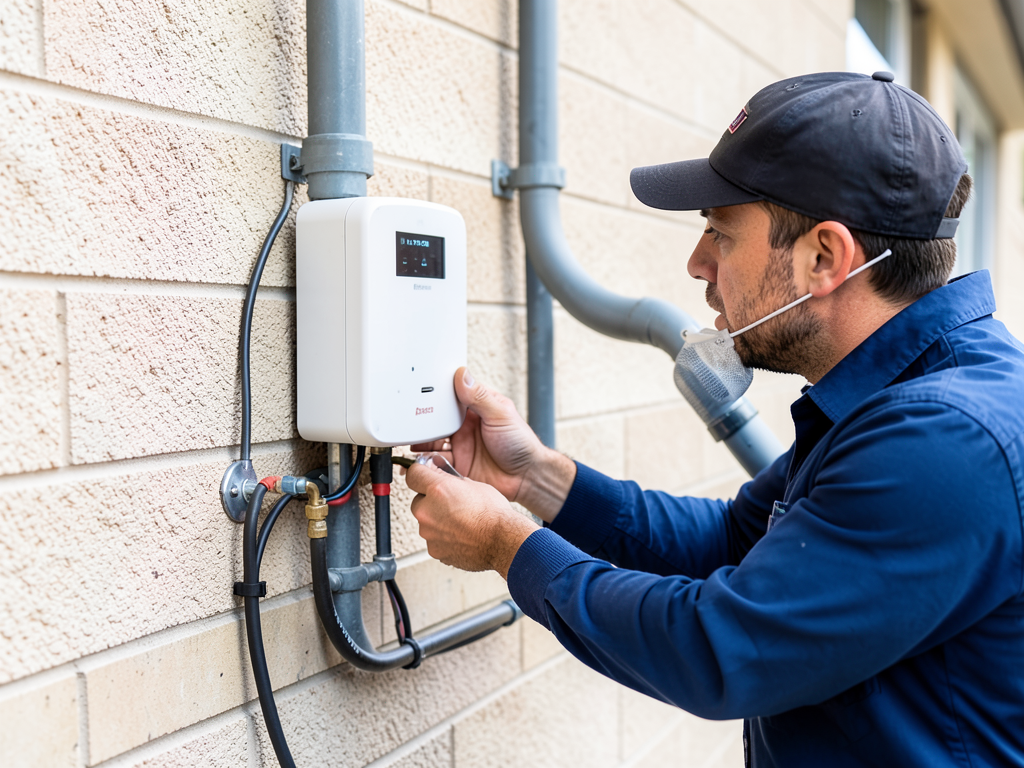
Upgrading to a Smart Sprinkler Controller in Sachse (and Why the Wiring Matters)
Smart sprinkler controllers are changing how North Texas homeowners manage their lawns. The technology offers water savings and convenience but installing these devices correctly requires more than just mounting a new box on the wall. The wiring behind your irrigation system plays a crucial role in performance and safety.
Sachse homeowners face unique challenges with clay soil and intense summer heat. A smart controller can help manage these conditions but only if the electrical connections are properly installed. Many homeowners discover too late that their old wiring cannot support modern smart irrigation technology. Who to Call for Emergency Electrical Repair in Uptown Dallas Tonight.
Professional installation ensures your smart sprinkler controller works reliably through Dallas County’s seasonal watering restrictions and extreme weather conditions. The right electrician understands both the technical requirements and local regulations that affect your irrigation system. Dallas Water Utilities rebate program.
Why Professional Wiring Makes the Difference
Smart sprinkler controllers need more than just power. They require proper low-voltage wiring to communicate with solenoid valves that control water flow to different zones. In Sachse’s older homes, the existing wiring may be corroded or insufficient for modern controllers.. Read more about Low Voltage vs Line Voltage Lighting for Your Duncanville Walkways.
A licensed electrician tests each zone’s wiring before installation. This prevents common problems like zones not turning on or controllers burning out from voltage spikes. Professional wiring also includes proper grounding which protects your investment from lightning strikes common in North Texas thunderstorms.
Weatherproofing matters in Dallas’s humid climate. Outdoor electrical connections need proper sealing and UV-resistant conduit. Without these protections, moisture can cause short circuits that damage both the controller and your irrigation valves. Electrical Contractor.
Understanding Your Irrigation System’s Electrical Needs
Irrigation systems use low-voltage wiring typically 24 volts AC. Each zone valve requires its own dedicated wire plus a common wire that completes the circuit. Most Sachse homes have 6-12 zones depending on yard size and landscaping complexity.
The transformer that powers your system needs a dedicated circuit. Overloading existing circuits can cause breakers to trip during peak watering times. A professional electrician calculates your system’s electrical load to prevent these issues.
Wire gauge matters for distance. Longer runs between the controller and valves need thicker wires to prevent voltage drop. In larger Sachse properties, this becomes critical for ensuring all zones operate properly.
Dallas Water Utilities Rebate Program
The City of Dallas offers rebates for WaterSense certified smart irrigation controllers through the Dallas Water Utilities program. Homeowners can receive up to $150 back on qualifying purchases. This program helps offset installation costs while promoting water conservation.
WaterSense controllers must meet EPA efficiency standards. These devices automatically adjust watering schedules based on local weather data and soil conditions. In North Texas’s clay soil, this prevents overwatering that leads to runoff and wasted water. EPA WaterSense program.
To qualify for rebates, the controller must be professionally installed with proper documentation. This requirement ensures the system operates efficiently and meets local water conservation goals.
Common Wiring Problems in Older Sachse Homes
Many homes in older Sachse neighborhoods were built before smart technology existed. The original wiring often uses smaller gauge wires that cannot handle the electrical demands of modern controllers. This leads to intermittent operation and premature controller failure.
Rodent damage is another common issue. Mice and squirrels chew through outdoor wiring, creating shorts that cause zones to malfunction. Professional installation includes inspecting and replacing damaged wiring.
Improper connections cause most controller failures. Wire nuts that are not waterproofed or connections that are not properly terminated can cause intermittent problems that are difficult to diagnose without professional testing equipment.
Weatherproofing for North Texas Conditions
Dallas’s weather presents unique challenges for outdoor electrical equipment. Summer temperatures regularly exceed 100 degrees, which can damage plastic components and cause expansion that breaks seals. Professional installation uses weather-rated enclosures rated for these conditions.
Winter freezes can damage exposed wiring and connections. Proper installation includes frost-proof conduit and sealed connections that prevent water from freezing inside electrical components. This protects your system during the occasional hard freezes that hit Sachse.
UV exposure degrades outdoor wiring over time. Professional electricians use UV-resistant conduit and UV-stabilized wire to prevent this degradation. This extends the life of your system and prevents unexpected failures. Electricians Balch Springs.
Wi-Fi Connectivity Challenges
Smart controllers need reliable Wi-Fi to function properly. Many Sachse homes have Wi-Fi dead zones in backyards where controllers are typically installed. This can prevent remote control and automatic weather adjustments. Finding a Reliable Residential Electrician in Plano for Your Kitchen Remodel.
Professional installation includes Wi-Fi signal testing before mounting the controller. If signal strength is inadequate, options include Wi-Fi extenders, mesh network nodes, or hardwired Ethernet connections. These solutions ensure reliable operation. Reliable Commercial Electrical Contractors for Businesses in Downtown Dallas.
Metal buildings and large trees can interfere with Wi-Fi signals. A professional assessment identifies these obstacles and recommends solutions specific to your property layout.
Brand Comparisons for Dallas Conditions
Rachio controllers offer excellent integration with weather services and soil moisture sensors. Their weather intelligence feature automatically skips watering when rain is predicted, which is valuable during Dallas’s unpredictable weather patterns.
Hunter controllers are known for reliability in commercial applications. They offer robust construction that withstands North Texas’s extreme conditions. Their Hydrawise platform provides detailed reporting on water usage and system performance.
Rain Bird controllers feature simple interfaces and reliable zone control. They work well for homeowners who prefer straightforward operation without extensive smart features. Their LNK WiFi module provides reliable connectivity in most conditions.
Installation Process Step by Step
Professional installation begins with a site assessment. The electrician tests existing wiring, evaluates signal strength, and plans the controller location for optimal performance and protection from the elements.
Next comes the electrical preparation. This includes installing a dedicated GFCI-protected circuit if one does not exist, mounting weatherproof conduit, and preparing connection points for the new controller.
The old controller is removed and wiring is tested. Each zone wire is labeled and tested for continuity. Any damaged wires are replaced at this stage to prevent future problems.
The new controller is mounted and connected. All connections are sealed with waterproof connectors and tested for proper operation. The system is then programmed for your specific landscape needs.
Finally, Wi-Fi setup and smartphone integration are completed. The system is tested remotely to ensure all features work properly from your mobile device.
Cost Factors to Consider
Installation costs vary based on several factors. Basic replacements where existing wiring is in good condition typically cost less than complete system upgrades that require new wiring and electrical circuits.
Property size affects cost significantly. Larger properties with more zones require more wiring and testing time. Properties with difficult access or extensive landscaping may also cost more to service.
Additional features like soil moisture sensors, rain sensors, or integration with home automation systems add to the cost but provide enhanced functionality and water savings.
Maintenance and Troubleshooting
Smart controllers require less maintenance than traditional systems but still need periodic checks. Professional maintenance includes testing all connections, updating firmware, and checking for any wiring issues that may have developed.
Common problems include Wi-Fi connectivity issues, zone valves that stick open or closed, and controllers that lose programming during power outages. Professional troubleshooting quickly identifies and resolves these issues.
Seasonal adjustments are important in North Texas. Your controller may need reprogramming for different watering needs in summer versus winter. Professional service includes these seasonal adjustments.
Local Building Codes and Permits
Dallas County requires permits for electrical work on irrigation systems. Professional electricians handle permit applications and ensure all work meets local building codes. This protects you from potential fines and ensures safe operation.
GFCI protection is required for all outdoor electrical circuits in Texas. Professional installation includes proper GFCI protection to prevent electrical shock hazards around water.
Conduit requirements vary by location. In exposed areas, PVC conduit is typically required. Professional electricians know the specific requirements for your area and ensure compliance.
Benefits Beyond Water Savings
Smart controllers provide detailed water usage reports that help identify leaks and inefficient zones. This information can lead to significant water bill savings over time.
Remote control capability allows you to adjust watering schedules from anywhere. This is particularly valuable when traveling or during unexpected weather changes that affect watering needs.
Integration with home automation systems provides enhanced convenience. Many controllers can work with voice assistants or smartphone apps to provide seamless control of your entire landscape system.
Frequently Asked Questions
Can I install a smart sprinkler controller myself?
Basic plug-in controllers can be DIY installed if you have existing wiring in good condition. However, professional installation is recommended for hardwired systems, homes with older wiring, or when adding new zones. Incorrect wiring can damage your controller and void warranties.
How long does professional installation take?
Most installations take 2-4 hours for straightforward replacements. Complex installations requiring new wiring or electrical circuits may take 6-8 hours or require multiple visits. Your electrician will provide a timeline after the initial assessment.
Will my smart controller work during power outages?
Most smart controllers have battery backup that maintains programming during short outages. For extended outages, some controllers offer optional battery or generator backup. Your electrician can recommend backup solutions based on your needs.
Do I need to reprogram my controller seasonally?
Weather-based controllers automatically adjust for seasonal changes in most cases. However, you may want to make manual adjustments for extreme conditions or when adding new landscaping. Professional installation includes initial programming and seasonal adjustment recommendations.
What if my Wi-Fi signal is weak in the backyard?
Professional installation includes Wi-Fi signal testing. If signal is weak, solutions include Wi-Fi extenders, mesh network nodes, or hardwired Ethernet connections. Your electrician will recommend the best solution for your specific situation.
- Assess Your Current System
Test existing wiring and evaluate zone requirements before selecting a controller.
- Check Local Rebates
Verify Dallas Water Utilities rebate eligibility for WaterSense certified controllers.
- Consider Property Size
Larger properties may need controllers with more zones and better Wi-Fi range.
- Evaluate Smart Features
Decide between basic scheduling or advanced weather integration based on your needs.
- Plan Professional Installation
Schedule a licensed electrician to ensure proper wiring and code compliance.
Smart sprinkler controllers offer significant benefits for Sachse homeowners but only when properly installed. The wiring behind your system determines whether you’ll enjoy years of reliable operation or face constant troubleshooting and repairs.
Professional installation ensures your investment is protected and your lawn receives optimal care through North Texas’s challenging climate. From proper grounding to weatherproof connections, every detail matters for long-term performance.
Ready to upgrade your irrigation system with professional smart controller installation? Call Apex Electricians Dallas today at (972) 823-5855 for a free assessment and quote. Our licensed electricians understand the unique electrical needs of North Texas landscapes and will ensure your system is installed correctly the first time.
Don’t let poor wiring compromise your smart irrigation investment. Contact us now to schedule your professional installation and start saving water while maintaining a beautiful lawn.
