
Low Voltage vs Line Voltage Lighting for Your Duncanville Walkways
Choosing the right lighting for your Duncanville walkways involves understanding the fundamental differences between low voltage and line voltage systems. This guide breaks down the technical, safety, and practical considerations to help you make an informed decision for your North Texas property. Texas Department of Licensing and Regulation.
Understanding the Basics: 12V vs 120V Systems
The primary difference between low voltage and line voltage lighting lies in the electrical current they use. Low voltage systems operate at 12 volts and require a transformer to step down the standard 120-volt household current. Line voltage systems use the full 120 volts directly from your home’s electrical panel. Who to Call for Emergency Electrical Repair in Uptown Dallas Tonight.
Low voltage lighting offers several advantages for residential applications. The lower voltage means safer installation since you can handle the wiring without specialized training. These systems use smaller gauge wires and can be buried just 6 inches deep according to National Electrical Code requirements. The reduced voltage also means less risk of shock if someone accidentally cuts through a wire while gardening. National Electrical Code.
Line voltage systems provide brighter illumination and can power larger fixtures. They require deeper burial depths of 18 to 24 inches and must be installed in conduit. This makes them more suitable for commercial applications or very large residential properties where maximum brightness is essential. Reliable Commercial Electrical Contractors for Businesses in Downtown Dallas.
Safety Comparison: Why Voltage Matters for Your Family and Pets
Safety represents one of the most significant factors when choosing between lighting systems. Low voltage systems operate at a current level that poses minimal risk of serious electrical shock. This makes them ideal for homes with children, pets, or elderly residents who might come into contact with the wiring. Electrical Contractor.
Line voltage systems require professional installation by a licensed electrician. The higher voltage presents a greater shock hazard, especially in outdoor environments where moisture is present. Dallas’s frequent thunderstorms and high humidity create conditions where proper grounding and GFCI protection become critical safety requirements.
Fire safety also differs between the two systems. Low voltage systems generate less heat and have a lower risk of electrical fires. Line voltage systems require careful installation to prevent overheating, especially when using older fixtures or when wires are buried too shallowly in the expansive clay soil common in Duncanville.. Read more about Using Motion Sensor Lighting to Improve Home Security in Pleasant Grove.
Performance and Brightness: Lighting Up Large Dallas Estates
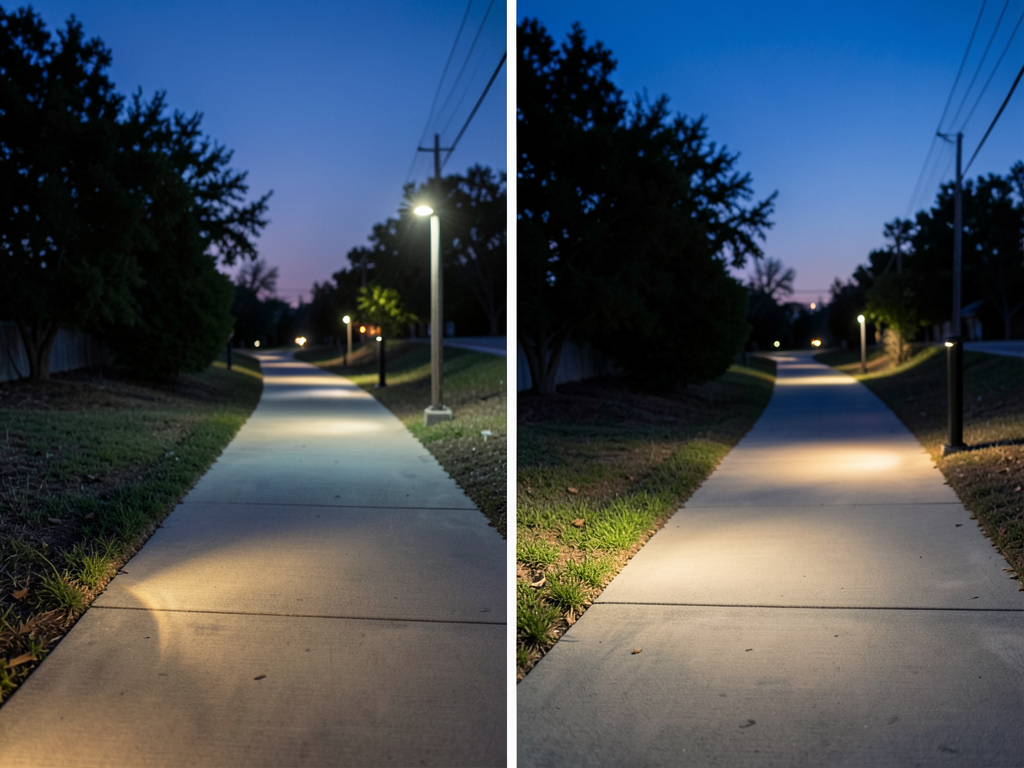
Light output represents a key consideration for walkway illumination. Line voltage systems can power high-wattage fixtures that produce significantly more lumens than low voltage alternatives. This makes them better suited for illuminating large properties or providing security lighting for expansive outdoor areas.. Read more about Running Power for Automated Driveway Gates in the Estate Homes of Southlake.
Modern LED technology has narrowed this gap considerably. Today’s low voltage LED fixtures can produce impressive brightness while consuming minimal power. A typical 12-volt LED fixture might produce 200-400 lumens while using only 3-5 watts of electricity. This efficiency means you can install multiple low voltage fixtures without creating a significant electrical load.
Color temperature also affects performance. For North Texas curb appeal, lighting experts recommend 3000K to 4000K fixtures. This range provides warm white light that enhances architectural features without appearing harsh or clinical. The blackland prairie soil in Duncanville often creates shadows that require careful fixture placement regardless of the voltage system chosen.
Cost Analysis: Installation vs Long-Term Energy Savings
Initial installation costs vary significantly between the two systems. Low voltage lighting typically costs less to install because it requires less specialized equipment and can be installed by homeowners with basic electrical knowledge. A complete low voltage walkway lighting system might cost $500 to $2,000 depending on the number of fixtures and property size.
Line voltage installation requires a licensed electrician and costs more upfront. Professional installation for a comparable walkway lighting system typically ranges from $1,500 to $4,000. The higher cost reflects the need for proper conduit installation, deeper trenching in the clay soil, and compliance with Dallas electrical codes.
Energy consumption differs between the systems. Low voltage LED fixtures consume significantly less power than traditional line voltage incandescent or halogen bulbs. Over a year of operation, a low voltage system might cost $30 to $50 in electricity while a line voltage system could cost $100 to $200 depending on usage patterns and fixture efficiency.
Maintenance and Durability in the North Texas Climate
Dallas’s extreme weather conditions affect lighting system longevity differently. Low voltage systems generally require less maintenance because they operate at lower temperatures. The transformers, typically mounted in weatherproof boxes, need occasional cleaning and inspection but rarely fail unless subjected to direct lightning strikes.
Line voltage systems face more challenges in the Texas climate. The higher voltage wires can degrade faster when exposed to the intense summer heat and UV radiation. The expansive clay soil in Duncanville can shift during wet-dry cycles, potentially damaging buried conduit or pulling connections loose over time.
Fixture durability also varies by system. Low voltage LED fixtures typically last 25,000 to 50,000 hours before needing replacement. Line voltage fixtures, especially those using traditional bulbs, may need replacement every 2,000 to 10,000 hours depending on usage and quality. The corrosive effects of Dallas’s humidity can accelerate deterioration of metal components in both systems.
Which System is Right for Your Dallas Property?
Property size and layout influence the best lighting choice. For typical Duncanville walkways under 100 feet, low voltage systems provide ample illumination while keeping costs and complexity manageable. The ability to DIY install makes low voltage attractive for homeowners who enjoy weekend projects.
Larger properties or those requiring maximum security lighting benefit from line voltage systems. If your property exceeds 200 feet in length or requires lighting for multiple outdoor structures, the higher upfront cost of line voltage often proves worthwhile for the increased performance and durability.
Consider your long-term plans when making this decision. If you’re planning a kitchen remodel or smart home integration in the next few years, choosing a system that integrates well with your future electrical needs becomes important. Line voltage systems offer more flexibility for adding outlets, security cameras, or other electrical features later.
Why You Need a Licensed Dallas Electrician for Line Voltage Installation
Line voltage outdoor lighting requires professional installation for several critical reasons. First, Texas law requires licensed electricians to perform any work involving 120-volt circuits. This requirement exists because improper installation can create serious safety hazards including electrical shock and fire risks. Electricians Balch Springs.
Local building codes in Dallas and surrounding suburbs like Cedar Hill and Lancaster have specific requirements for outdoor electrical work. These codes address burial depths, conduit types, and grounding requirements that vary based on soil conditions and property characteristics. A licensed electrician understands these local requirements and ensures your installation passes inspection.
Professional installation also includes proper load calculations to prevent overloading your home’s electrical system. Many older homes in Duncanville have electrical panels that cannot handle additional high-voltage circuits without upgrades. An electrician can assess your current capacity and recommend necessary improvements before installation begins.
Comparison Table: Low Voltage vs Line Voltage Lighting
| Feature | Low Voltage (12V) | Line Voltage (120V) |
|---|---|---|
| Bury Depth | 6 inches | 18-24 inches |
| Installation | DIY possible | Professional required |
| Safety | Minimal shock risk | High shock risk |
| Energy Cost/year | $30-$50 | $100-$200 |
| Fixture Life | 25,000-50,000 hours | 2,000-10,000 hours |
| Initial Cost | $500-$2,000 | $1,500-$4,000 |
Technical Deep Dive: The Role of the Transformer
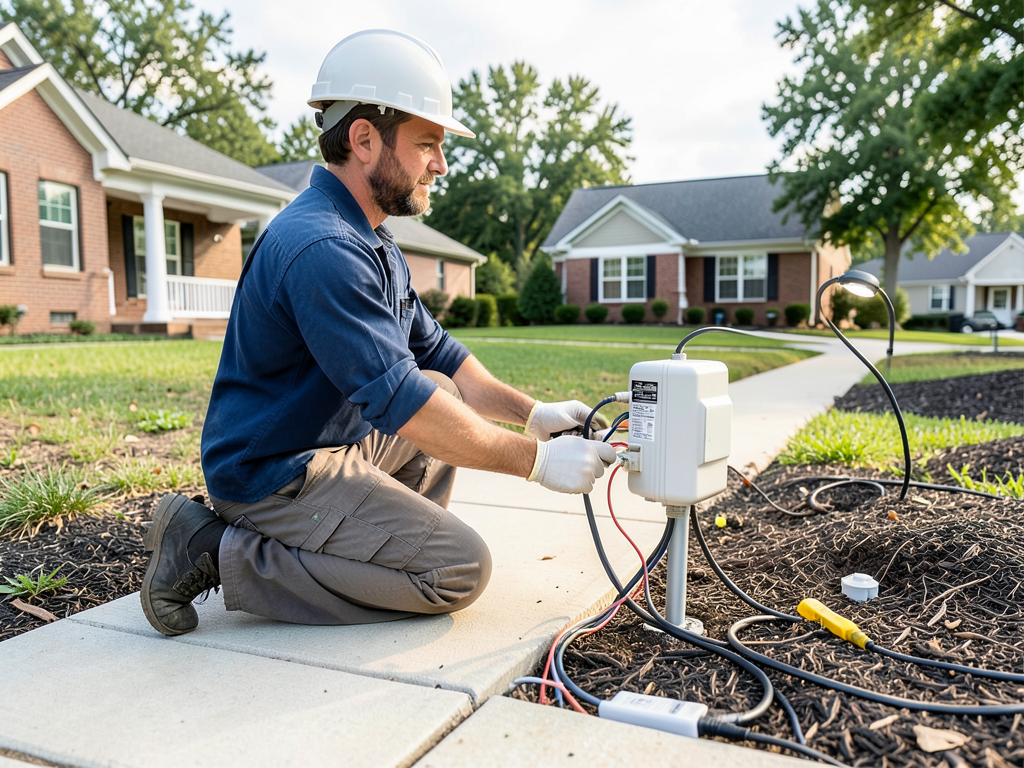
The transformer serves as the heart of any low voltage lighting system. This device converts the standard 120-volt household current to the 12 volts needed for safe outdoor lighting. Understanding transformer capacity helps ensure your system performs reliably.
Transformers are rated by wattage capacity. A typical walkway lighting system might require a 100 to 300-watt transformer depending on the number and type of fixtures. Overloading a transformer causes lights to dim or flicker, while an oversized transformer wastes energy and money.
Location matters for transformer placement. In Duncanville’s climate, transformers should be mounted in shaded areas to prevent overheating during summer months when temperatures regularly exceed 95 degrees. The blackland clay soil can retain moisture, so mounting the transformer on a concrete pad or deck post helps prevent water damage.
Local Context: Dealing with Dallas Blackland Prairie Soil
Duncanville sits on the eastern edge of the Blackland Prairie region, characterized by deep, fertile clay soils. This soil type creates unique challenges for outdoor electrical installations that homeowners in other regions don’t face.
During Dallas’s rainy seasons, the clay soil expands significantly. This expansion can push shallow-buried low voltage wires toward the surface or create pressure on buried conduit. Professional installers often recommend using wider trenches and adding sand backfill to prevent this soil movement from damaging wiring over time.
The high clay content also affects grounding effectiveness. Proper grounding becomes essential for both low voltage and line voltage systems to protect against lightning strikes, which are common during North Texas spring and summer storms. Electricians may need to drive grounding rods deeper than standard depths to achieve proper resistance levels in the clay soil.
Frequently Asked Questions
Can I install low voltage lighting myself?
Yes, low voltage lighting is designed for DIY installation. The 12-volt current poses minimal shock risk, and the shallow burial depth means you don’t need specialized equipment. However, you should still follow basic safety practices like turning off the main breaker before working on any electrical project.
Does line voltage lighting require a permit in Dallas?
Yes, line voltage outdoor lighting requires an electrical permit from the City of Dallas. The permit ensures your installation meets local building codes and passes inspection. Your licensed electrician typically handles the permitting process as part of the installation service.
How long do LED low voltage fixtures last in Texas heat?
Quality LED fixtures typically last 25,000 to 50,000 hours in Texas conditions. The extreme heat can reduce lifespan slightly compared to cooler climates, but modern LED technology includes heat sinks and thermal management that help fixtures withstand Dallas summer temperatures.
What’s the difference in operating costs between the two systems?
Low voltage LED systems cost approximately $30 to $50 per year to operate for a typical walkway lighting setup. Line voltage systems using traditional bulbs can cost $100 to $200 annually. The cost difference is even greater if you’re using older, less efficient line voltage fixtures.
Should I choose low voltage or line voltage for security lighting?
For dedicated security lighting, line voltage systems often provide better performance. They can power brighter fixtures and integrate with motion sensors more effectively. However, modern low voltage LED security fixtures have improved significantly and may provide adequate illumination for most residential applications.
[IMAGE_PLACEHOLDER_3>
Get Professional Help for Your Duncanville Walkway Lighting
Whether you choose low voltage or line voltage lighting for your Duncanville walkways, proper installation ensures safety, reliability, and long-term performance. The unique soil conditions and weather patterns in North Texas require specific installation techniques that experienced local electricians understand.
For line voltage installations or if you prefer professional installation of low voltage systems, contact Apex Electricians Dallas at (972) 823-5855. Our licensed electricians understand Duncanville’s specific requirements and can help you choose the best lighting solution for your property and budget.
Don’t risk electrical hazards or code violations with DIY line voltage installation. Let our experienced team handle your walkway lighting project safely and professionally. We serve Duncanville and all surrounding Dallas suburbs with prompt, reliable service backed by our satisfaction guarantee. Finding a Reliable Residential Electrician in Plano for Your Kitchen Remodel.
Call us today at (972) 823-5855 to schedule your free consultation and lighting assessment. Your safety and satisfaction are our top priorities.
You may also find this helpful. Updating Your Hardwired Smoke Detectors to Meet Modern Safety Standards in Duncanville.
