

How to Choose the Right Picture Lighting for Your Preston Hollow Art Collection
Selecting picture lighting for your Preston Hollow art collection requires more than picking attractive fixtures. The Dallas climate, with its intense summer sun and occasional winter freezes, creates unique challenges for preserving valuable artwork. This guide walks you through the technical considerations that protect your investment while creating the perfect display environment.. Read more about How to Upgrade Your Midway Hollow Laundry Room with Better Lighting and Proper Outlets.
Understanding Art Lighting Fundamentals
Art lighting differs fundamentally from standard room lighting. Your artwork needs specific color rendering, controlled heat output, and UV protection to maintain its integrity over time. The right lighting enhances colors and textures while the wrong choice can cause irreversible damage to your collection.
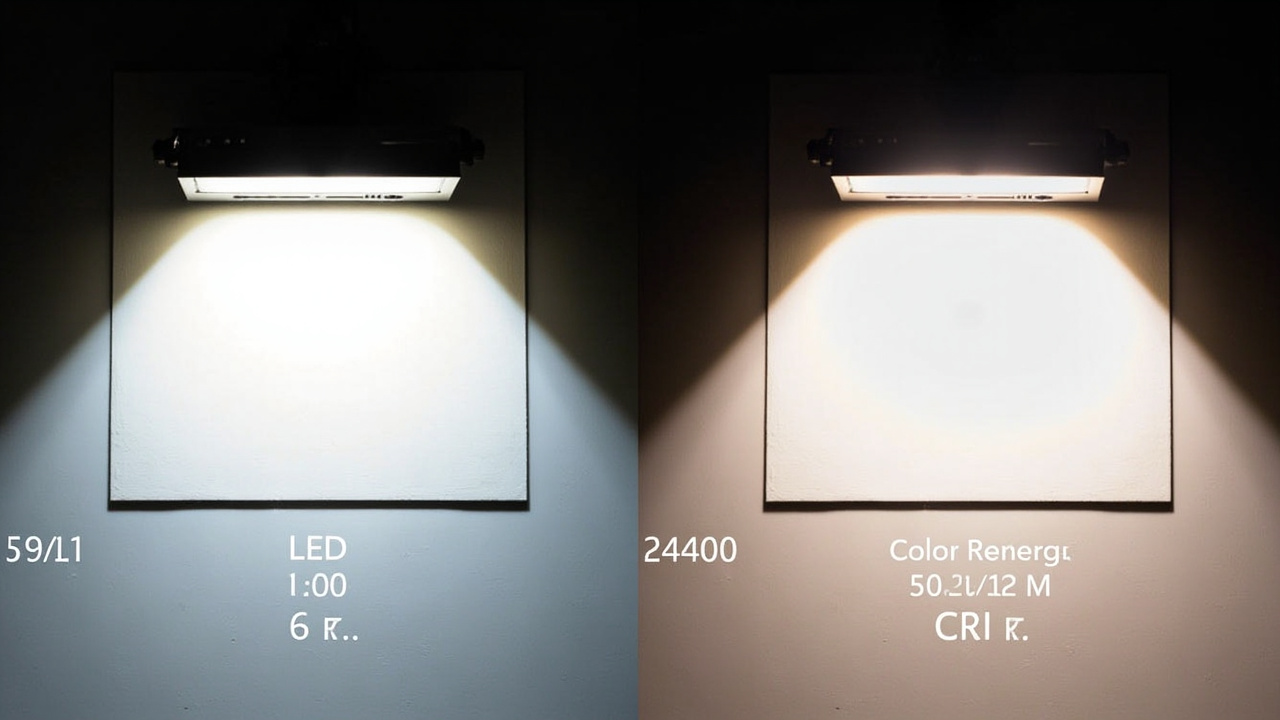
Color Rendering Index (CRI) measures how accurately a light source displays colors compared to natural sunlight. For fine art, you need fixtures with CRI ratings of 95 or higher. Lower CRI ratings distort colors, making a vibrant painting appear dull or changing the perceived hue of a sculpture.
Light temperature, measured in Kelvin, affects how artwork appears. Most art collections benefit from warm white light between 2700K and 3000K. This range mimics gallery lighting and prevents the cool, clinical appearance that higher Kelvin temperatures create.
Lighting Options for Your Preston Hollow Collection
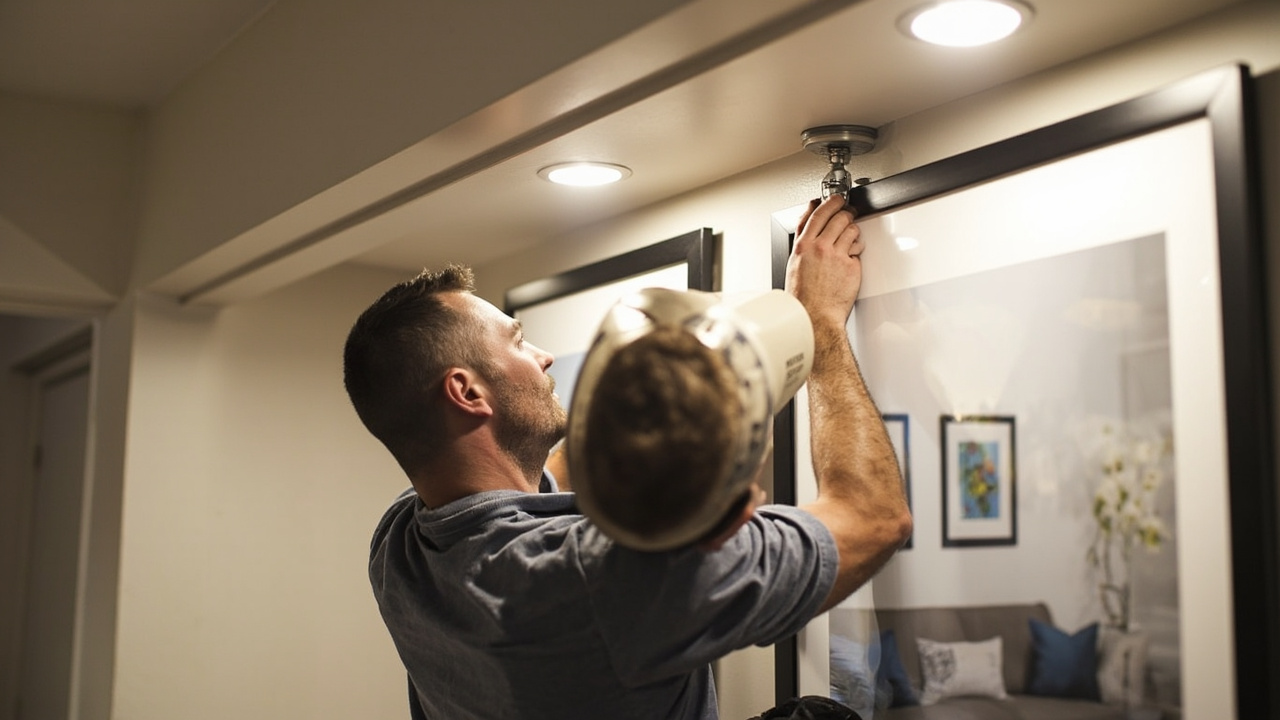
Picture lights mount directly on or above frames, providing focused illumination. Modern LED picture lights generate minimal heat and contain no UV radiation, making them ideal for delicate works. However, they require careful aiming to avoid creating hot spots on the canvas.. Read more about Why Your LED Lights Flicker When You Use a Dimmer Switch in Cedar Hill.
Track lighting offers flexibility for rotating collections. You can reposition fixtures as you change artwork without rewiring. Low-voltage track systems work well in Preston Hollow homes with high ceilings, providing even coverage without overwhelming the space.
Recessed framing projectors create dramatic effects by directing light precisely onto artwork while leaving surrounding walls dark. These systems require professional installation and careful planning during construction or renovation. The projectors eliminate glare and provide museum-quality illumination.
Framing projectors from manufacturers like Phantom Lighting use optical lenses to shape light exactly to your artwork’s dimensions. This eliminates spill light and creates a floating effect that makes paintings appear to glow from within.
Preservation Considerations for Dallas Collectors
Dallas’s intense summer sunlight poses significant risks to artwork. UV radiation causes colors to fade and materials to degrade over time. Even indirect sunlight through windows can damage sensitive pieces. Professional art lighting installations include UV filtering to block harmful radiation while maintaining color accuracy.
Heat management becomes critical in Texas homes. Traditional halogen lights generate substantial heat that can damage oil paintings, causing cracking or yellowing. Modern LED fixtures produce minimal heat, protecting your collection while reducing energy costs.
Humidity control affects both your artwork and lighting systems. Preston Hollow’s summer humidity can cause condensation on cold surfaces, potentially damaging electrical connections. Professional installations include proper ventilation and moisture barriers to protect both art and equipment.. Read more about Hidden Electrical Mistakes People Make When Designing a Media Room in Southlake.
Dallas Electrical Code Requirements
Texas follows the National Electrical Code with specific amendments for North Texas conditions. Art lighting installations must comply with Dallas building codes, particularly regarding dedicated circuits and load calculations. High-end installations often require separate electrical panels to handle the additional load safely.
Dallas requires permits for most electrical work, including art lighting installations. The permitting process ensures your installation meets safety standards and passes inspection. Working with licensed electricians familiar with local codes prevents costly mistakes and ensures compliance.
Grounding becomes especially important in areas with expansive clay soil like Preston Hollow. Proper grounding protects both your artwork and lighting systems from electrical surges during summer thunderstorms. Texas’s severe weather patterns make surge protection essential for valuable collections.
Installation Techniques and Best Practices
Professional installation begins with a thorough assessment of your space. Electricians evaluate ceiling height, wall construction, and existing electrical infrastructure before recommending specific solutions. This planning prevents issues like inadequate support for heavy fixtures or insufficient power supply.
Beam angle selection affects how light falls on your artwork. Narrow beams create dramatic spotlighting but may leave edges dark. Wide beams provide even coverage but can wash out details. The optimal beam angle depends on your ceiling height and artwork dimensions.
Light throw distance calculations ensure proper illumination without glare. The distance between fixture and artwork affects light intensity and spread. Professional installers use photometric calculations to determine exact fixture placement for optimal results.
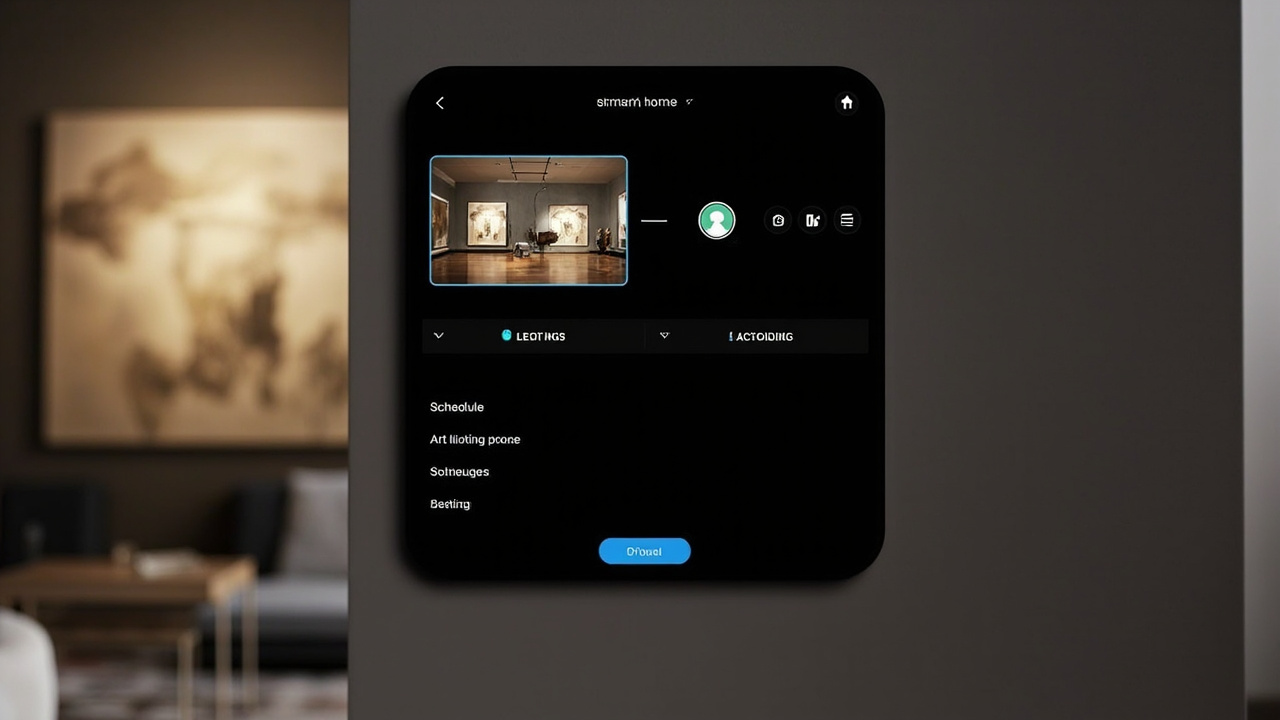
Dimmable controls allow you to adjust lighting for different times of day or viewing conditions. Modern smart home integration lets you control art lighting through smartphone apps or voice commands. This technology proves especially valuable for collectors who frequently rotate their displays.
Comparing Lighting Technologies
| Technology | Color Rendering | Heat Output | UV Emission | Lifespan |
|---|---|---|---|---|
| LED | 95+ CRI | Minimal | None | 50,000+ hours |
| Halogen | 100 CRI | High | Significant | 2,000-4,000 hours |
| Incandescent | 100 CRI | High | Moderate | 1,000-2,000 hours |
| Compact Fluorescent | 85-90 CRI | Moderate | Moderate | 8,000-10,000 hours |
LED technology dominates modern art lighting due to its combination of color accuracy, energy efficiency, and preservation benefits. The initial cost exceeds traditional technologies, but the extended lifespan and reduced energy consumption provide long-term savings.
Smart Home Integration for Art Collections
Modern art collectors increasingly integrate lighting controls with smart home systems. Platforms like Lutron, Crestron, and Control4 allow you to create lighting scenes that highlight specific pieces or adjust throughout the day. This integration proves especially valuable for collections displayed in multiple rooms.
Automated schedules can simulate natural lighting patterns, gradually brightening or dimming to protect artwork while maintaining optimal viewing conditions. Motion sensors can activate lighting only when someone enters the room, reducing energy consumption and extending fixture life.
Remote access capabilities let you monitor and control your collection’s lighting from anywhere. This feature proves invaluable for collectors who travel frequently or maintain multiple properties. You can ensure proper lighting conditions even when away from home.
Cost Factors and Investment Considerations
Art lighting installation costs vary significantly based on complexity and technology. Basic LED picture lights might cost $200-500 per fixture installed, while comprehensive framing projector systems can exceed $5,000 for a single installation. The investment reflects both equipment quality and professional expertise.
Factors affecting cost include ceiling height, wall construction, existing electrical infrastructure, and control system complexity. Homes built before 1980 may require electrical panel upgrades to support modern lighting systems safely.
Professional installation ensures proper mounting, wiring, and aiming. Amateur installation risks damaging valuable artwork through incorrect lighting angles or inadequate support. The cost of professional services typically represents 30-50% of the total project investment.
Maintenance and Long-term Care
Regular maintenance keeps your art lighting performing optimally. LED fixtures require minimal upkeep, but occasional cleaning prevents dust accumulation that can affect light quality. Professional electricians can inspect connections and adjust aiming as artwork rotates or settles.
Bulb replacement schedules vary by technology. LEDs typically last 10-15 years under normal use, while halogen bulbs require replacement every 6-12 months. Professional maintenance contracts ensure timely replacements and prevent unexpected dark periods in your display.
Environmental monitoring helps protect both artwork and lighting systems. Humidity sensors can trigger HVAC adjustments to maintain optimal conditions. Temperature monitoring prevents overheating in enclosed spaces or near heat-generating equipment.
Finding the Right Professional for Your Installation
Art lighting installation requires specialized expertise beyond basic electrical work. Look for electricians with experience in fine art lighting, museum installations, or gallery work. These professionals understand the unique requirements of preserving and displaying valuable artwork.
Verify licensing and insurance before hiring any contractor. Texas requires electricians to hold valid licenses and carry liability insurance. Ask for references from other art collectors or galleries in the Dallas area.
Portfolio review helps assess a contractor’s experience with projects similar to yours. Look for examples of installations in homes with comparable architecture or artwork types. Experienced professionals can provide case studies demonstrating their ability to solve complex lighting challenges.
Common Mistakes to Avoid
Overlighting creates harsh, unnatural effects that damage artwork and create uncomfortable viewing conditions. Professional designers recommend 30-50 foot-candles for most artwork, significantly less than typical room lighting.
Inconsistent lighting temperatures across a collection create visual discord. Mixing warm and cool light sources makes artwork appear disconnected and can distort colors. Maintain consistent color temperature throughout your display areas.
Ignoring artwork dimensions leads to inadequate coverage or excessive spill light. Professional calculations ensure light covers the entire piece without extending onto surrounding walls. This precision creates the dramatic floating effect that makes artwork appear three-dimensional.
Neglecting future flexibility limits your ability to rotate or expand your collection. Install extra capacity in electrical circuits and control systems to accommodate future additions. This foresight prevents costly rewiring as your collection grows.
Creating the Perfect Viewing Experience
Art lighting should enhance the viewing experience without drawing attention to itself. The best installations make artwork appear naturally illuminated, as if lit by an unseen source. This subtlety requires careful planning and precise execution.
Consider viewing angles when planning your installation. Light that looks perfect from one position may create glare or shadows from another. Professional designers account for multiple viewing positions to ensure optimal results from any angle.
Integration with room lighting creates cohesive environments. Art lighting should complement, not compete with, general room illumination. Professional designers coordinate art lighting with architectural lighting to create harmonious spaces.
Color temperature consistency across different light sources prevents visual confusion. Mixing lighting technologies or temperatures creates unnatural effects that detract from artwork. Professional installations maintain color consistency throughout display areas.
- Assess Your Collection
Evaluate artwork types, sizes, and preservation requirements before selecting lighting technology.
- Plan Electrical Infrastructure
Ensure adequate power supply and proper circuit protection for your lighting system.
- Select Appropriate Technology
Choose LED fixtures with high CRI ratings and minimal heat output for art preservation.
- Consider Smart Integration
Plan for control systems that allow flexible lighting adjustments and remote monitoring.
- Hire Qualified Professionals
Work with licensed electricians experienced in art lighting installation and preservation.
Frequently Asked Questions
What type of lighting is best for preserving artwork?
LED lighting with high CRI ratings (95+) provides the best preservation qualities. LEDs generate minimal heat and emit no UV radiation, preventing the fading and degradation that traditional lighting causes. Look for fixtures specifically designed for art display with adjustable color temperatures between 2700K and 3000K.
How much does professional art lighting installation cost in Dallas?
Installation costs vary based on complexity, ranging from $200-500 for basic LED picture lights to $5,000+ for comprehensive framing projector systems. Factors affecting cost include ceiling height, wall construction, electrical infrastructure requirements, and control system complexity. Professional installation typically represents 30-50% of total project costs.
Do I need permits for art lighting installation in Preston Hollow?
Yes, Dallas requires permits for most electrical work, including art lighting installations. The permitting process ensures compliance with local building codes and safety standards. Licensed electricians familiar with Dallas requirements can handle permitting and ensure your installation passes inspection.
How do I prevent my artwork from fading due to lighting?
Choose LED fixtures with UV filtering and minimal heat output. Maintain appropriate light levels (30-50 foot-candles for most artwork) and use dimmable controls to reduce exposure time. Consider automated schedules that adjust lighting based on time of day or occupancy. Professional installation includes proper aiming to prevent hot spots and even illumination.
Can I integrate my art lighting with my existing smart home system?
Most modern art lighting systems integrate with popular smart home platforms like Lutron, Crestron, and Control4. Integration allows you to create lighting scenes, set automated schedules, and control lighting remotely through smartphone apps or voice commands. Professional installers can recommend compatible systems based on your existing smart home infrastructure.
How often should art lighting systems be maintained?
LED fixtures require minimal maintenance, typically needing cleaning every 6-12 months to prevent dust accumulation. Professional inspection every 1-2 years ensures proper connections and alignment. Systems with moving parts or complex controls may require more frequent service. Consider maintenance contracts for valuable collections to ensure consistent performance.
Ready to illuminate your Preston Hollow art collection properly? Contact our licensed electricians today for a consultation. We’ll assess your space, recommend appropriate solutions, and provide detailed proposals for professional installation. Protect your investment while creating the perfect viewing environment for your valuable artwork.
You may also find this helpful. Why Your Dimmers Are Buzzing and How to Fix Them (A Guide for The Colony Homeowners).
