
Modern Electrical Upgrades for Historic Homes in the Dallas M Streets
Living in a historic Dallas home means owning a piece of the city’s story. But those charming plaster walls and original fixtures often hide electrical systems that cannot handle today’s demands. From knob-and-tube wiring to cloth-insulated circuits many M Streets homes built before 1950 were not designed for air conditioning EV chargers or even modern kitchen appliances. Dallas Historic Preservation Office.
The good news is that with the right expertise you can bring your home’s electrical system into the 21st century without sacrificing its historic character. This guide covers everything Dallas homeowners need to know about upgrading electrical systems in historic properties safely and in compliance with local preservation guidelines. Who to Call for Emergency Electrical Repair in Uptown Dallas Tonight.
Why Historic Dallas Homes Need Modern Electrical Systems
Older electrical systems were not built for today’s power needs. A typical 1940s home might have a 60-amp service panel with cloth-insulated wiring that becomes brittle over time. Modern homes often require 200-amp service to handle central air conditioning multiple refrigerators and home office equipment. Electrical Contractor.
In Dallas’s hot climate electrical failures can be more than inconvenient. Overloaded circuits in older homes can cause fires especially when combined with the extreme summer heat that pushes air conditioners to their limits. The National Fire Protection Association reports that electrical failures or malfunctions were the second leading cause of U.S. home fires from 2015-2019. National Fire Protection Association electrical safety guidelines.
Beyond safety insurance companies often charge higher premiums or deny coverage for homes with outdated electrical systems. Some Dallas insurers require electrical inspections before issuing policies on homes built before 1950.. Read more about Does Your Homeowners Insurance Require an Electrical Inspection in Swiss Avenue?.
Common Electrical Issues in M Streets Historic Homes
Knob-and-tube wiring was standard in homes built from the 1880s through the 1940s. This system uses porcelain knobs to support wires and ceramic tubes where wires pass through wood framing. While functional for its time knob-and-tube wiring lacks a ground wire and cannot handle modern electrical loads.
Cloth-insulated wiring common in Dallas homes from the 1920s through the 1950s uses cotton or rayon cloth to insulate copper conductors. Over decades this insulation becomes brittle and can crack exposing live wires. The cloth also absorbs moisture creating corrosion risks in Dallas’s humid climate.
Federal Pacific and Zinsco circuit breaker panels installed in Dallas homes during the 1950s through 1980s have known failure issues. These panels can fail to trip during overloads creating fire hazards. The Consumer Product Safety Commission has documented cases where these panels failed to operate properly in emergency situations.
Two-prong ungrounded outlets are another common issue. Modern three-prong outlets provide grounding that protects against electrical shocks and allows proper operation of today’s electronics. Without grounding sensitive equipment like computers and televisions are vulnerable to power surges.
Preservation-First Rewiring Process
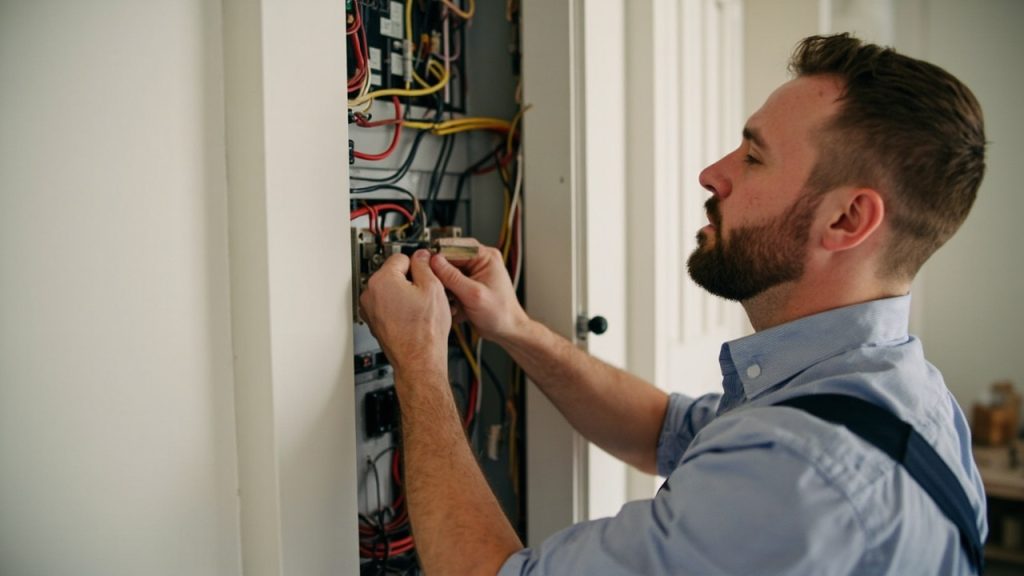
Upgrading electrical systems in historic homes requires a careful balance between modern safety standards and architectural preservation. The process starts with a comprehensive electrical assessment to document existing wiring identify hazards and map out the home’s electrical needs.
Minimal invasive techniques protect original plaster and lath walls. Instead of cutting large access holes technicians use fish tape to run new wires through existing wall cavities. When access is necessary repairs match original plaster textures and paint colors to maintain the home’s character.
Panel upgrades can be done without compromising historic aesthetics. Modern electrical panels can be installed in existing locations with custom covers that blend with surrounding architecture. In some cases panels can be relocated to less visible areas like utility closets or garages.
GFCI and AFCI protection are essential for code compliance and safety. Ground Fault Circuit Interrupters protect against shocks in wet areas like kitchens and bathrooms. Arc Fault Circuit Interrupters detect dangerous arcing that could cause fires. These devices can be installed without changing the appearance of historic outlets.
Dallas Building Codes and Historic District Compliance
Working in Dallas’s historic districts requires understanding both the National Electrical Code and local preservation guidelines. The City of Dallas Building Inspection Division oversees electrical permits while the Dallas Landmark Commission reviews changes to designated historic properties.
Permit requirements vary by project scope. Simple outlet replacements might not need permits but panel upgrades new circuit installations or rewiring projects require electrical permits from the city. The permit process includes inspections to ensure work meets current safety standards.
The Dallas Landmark Commission reviews exterior electrical changes for homes in historic districts like the M Streets Swiss Avenue and Munger Place. Commission approval is required for visible changes like new exterior lighting meter relocations or service entrance modifications. The commission’s goal is to preserve the historic character while allowing necessary modern upgrades.
Working with experienced contractors who understand Dallas’s historic preservation process can prevent costly delays. These professionals know how to prepare applications respond to commission questions and implement solutions that satisfy both safety requirements and preservation guidelines.
Safety Inspections for Historic Home Buyers
Buying a historic Dallas home requires thorough electrical inspection before closing. Many buyers include electrical inspection contingencies in their purchase agreements to identify potential hazards and estimate upgrade costs.. Read more about Lowering Your Cooling Costs in Desoto with a Professional Attic Fan Installation.
Pre-purchase electrical audits should examine the entire electrical system including service panels wiring types outlet conditions and grounding systems. Inspectors look for signs of overloading outdated components and code violations that could pose safety risks.
Federal Pacific and Zinsco panels should be identified and evaluated for replacement. These panels have documented failure rates significantly higher than modern equipment. Replacement costs typically range from $1,500 to $3,000 depending on the home’s size and electrical needs.
Knob-and-tube and cloth-insulated wiring should be tested for integrity. While some sections might be functional areas with brittle insulation or signs of overheating need immediate attention. Replacement costs vary widely based on accessibility and the extent of work required.
Grounding system evaluation is critical for older homes. Proper grounding protects against electrical shocks and allows modern electronics to function correctly. Installing grounding in homes without it can require significant wall modifications affecting both cost and timeline.
Modern Upgrades That Preserve Historic Character
Smart home technology can be integrated into historic homes without visible modern devices. Smart switches with traditional faceplates can control lighting and small appliances. Smart thermostats with classic styling can manage HVAC systems while maintaining period-appropriate appearances.
Lighting upgrades offer opportunities to improve efficiency while preserving aesthetics. LED bulbs can replace incandescent bulbs in historic fixtures providing better light quality and energy savings. Recessed lighting can be installed in inconspicuous locations to provide modern illumination without altering historic features.
Energy efficiency improvements can reduce electrical loads while maintaining comfort. Modern insulation in attics and walls reduces cooling demands. High-efficiency HVAC systems use less power than older units. These upgrades can allow smaller electrical service upgrades in some cases.
Backup power solutions provide modern convenience while respecting historic architecture. Whole-house generators can be installed outside with minimal visual impact. Battery backup systems can be placed in utility areas without affecting living spaces.
Cost Factors and Timeline Considerations
Electrical upgrade costs vary significantly based on home size existing conditions and project scope. Simple outlet replacements might cost $150-300 per outlet. Complete rewiring projects for historic homes typically range from $8,000 to $20,000.
Panel upgrades generally cost $1,500 to $3,000 for standard replacements. Complex installations requiring service entrance modifications or historic district approvals can cost $4,000 to $6,000.
Timeline considerations include permit processing material availability and coordination with other contractors. Electrical permits in Dallas typically process within 3-5 business days. Material lead times for specialized components can extend project schedules.
Historic district approvals can add 2-4 weeks to project timelines. Commission review periods vary by season and project complexity. Planning for these delays prevents rushed work and ensures proper preservation compliance.
Choosing the Right Electrical Contractor
Historic home electrical work requires specialized expertise beyond standard residential electrical skills. Look for contractors with experience in historic preservation knowledge of local building codes and familiarity with Dallas’s historic districts.
Licensing and insurance are non-negotiable requirements. Texas requires electrical contractors to hold valid licenses and carry appropriate insurance coverage. Verify credentials through the Texas Department of Licensing and Regulation. Texas Department of Licensing and Regulation.
References from other historic home owners provide valuable insights into a contractor’s capabilities. Ask about specific projects similar to yours and request to see examples of their preservation work.
Communication skills matter when working in historic homes. Contractors should explain technical concepts clearly discuss preservation concerns proactively and provide detailed written estimates that outline the scope of work.
Protecting Your Investment
Electrical upgrades in historic homes protect both safety and property value. Modern electrical systems reduce fire risks improve insurance eligibility and increase marketability when selling.
Documentation of electrical work helps with future maintenance and resale. Keep permits inspection reports and contractor information organized for reference by future owners or service providers.
Regular maintenance extends the life of electrical upgrades. Annual inspections can identify developing issues before they become major problems. Prompt attention to minor issues prevents costly emergency repairs.
Energy monitoring helps optimize electrical system performance. Smart meters and energy monitoring devices can identify unusual power consumption patterns that might indicate developing problems.
| Upgrade Type | Typical Cost Range | Timeline |
|---|---|---|
| Outlet Replacement | $150-300 each | 1-2 hours per outlet |
| Panel Upgrade | $1,500-6,000 | 1-2 days |
| Complete Rewiring | $8,000-20,000 | 1-2 weeks |
| Historic District Approval | N/A | 2-4 weeks |
| Wiring Type | Common Era | Safety Concerns | Replacement Priority |
|---|---|---|---|
| Knob-and-Tube | 1880s-1940s | No ground wire brittle insulation | High |
| Cloth-Insulated | 1920s-1950s | Brittle insulation moisture absorption | High |
| Romex (Modern) | 1960s-present | Generally safe if undamaged | Low |
| Historic District | Commission Review Required | Typical Approval Time |
|---|---|---|
| M Streets | Yes for exterior changes | 2-4 weeks |
| Swiss Avenue | Yes for all visible changes | 3-5 weeks |
| Munger Place | Yes for exterior changes | 2-4 weeks |
Frequently Asked Questions
Do I need permits for electrical work in my historic Dallas home?
Yes most electrical upgrades require permits from the City of Dallas Building Inspection Division. Work in historic districts may also need approval from the Dallas Landmark Commission for exterior changes.
How much does it cost to rewire a historic home in the M Streets?
Complete rewiring typically costs $8,000 to $20,000 depending on home size and complexity. Simple outlet replacements cost $150-300 each. Panel upgrades range from $1,500 to $6,000 for complex installations.
Can I keep my historic light fixtures when upgrading electrical systems?
Yes most historic fixtures can be preserved and rewired with modern components. LED bulbs can be used in original fixtures for improved efficiency while maintaining period-appropriate appearances.
How long does electrical work take in a historic home?
Simple projects might take 1-2 days. Complete rewiring typically requires 1-2 weeks. Historic district approvals can add 2-4 weeks to project timelines.
What are the signs my historic home needs electrical upgrades?
Common signs include frequently tripped breakers flickering lights burning smells from outlets two-prong ungrounded outlets and cloth-insulated or knob-and-tube wiring.
Ready to Upgrade Your Historic Home’s Electrical System?
Don’t let outdated electrical systems compromise your historic Dallas home’s safety and functionality. Our team specializes in preservation-first electrical upgrades that bring your home into the modern era while respecting its architectural heritage.
We understand the unique challenges of working in Dallas’s historic districts and have experience navigating the permit and approval processes required for these special properties.
Call Apex Electricians Dallas today at (972) 823-5855 to schedule your comprehensive electrical assessment. We’ll evaluate your home’s current system discuss upgrade options and provide a detailed plan that balances modern safety requirements with historic preservation guidelines. Electricians Balch Springs.
Protect your investment and enjoy the peace of mind that comes with a safe reliable electrical system designed for today’s living while honoring your home’s historic character. Finding a Reliable Residential Electrician in Plano for Your Kitchen Remodel.
You may also find this helpful. Level 1 vs Level 2 EV Charging — Which One is Right for Your Lewisville Commute?.
