
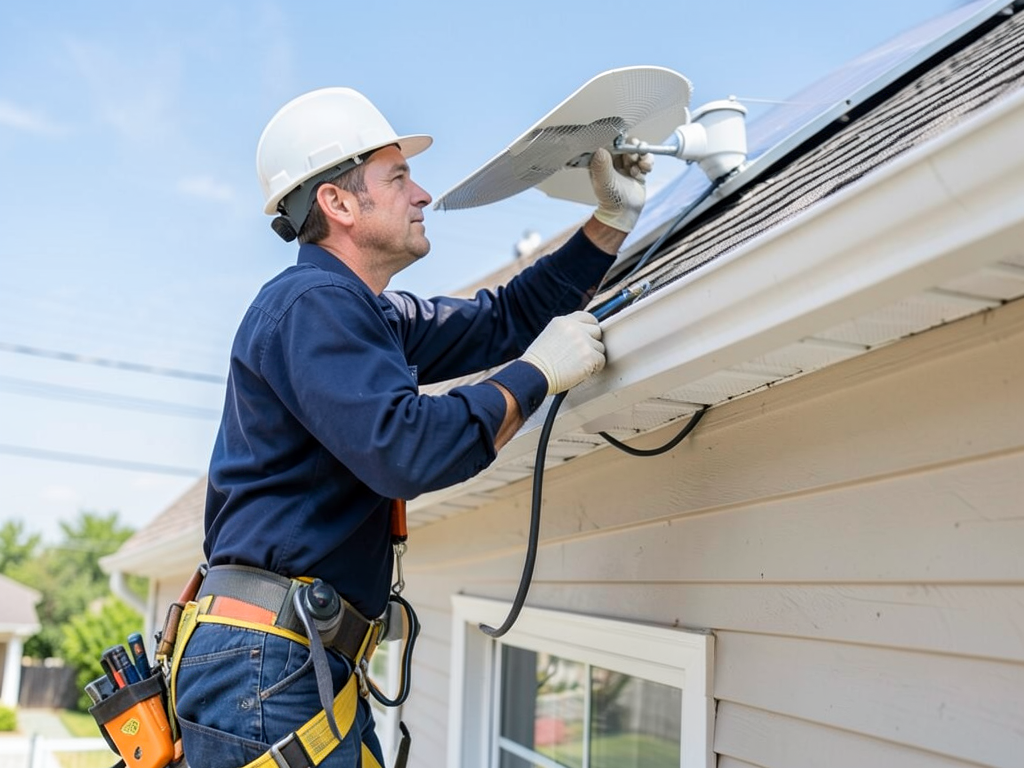
Lowering Your Cooling Costs in Desoto with a Professional Attic Fan Installation
Summer heat in North Texas pushes attic temperatures above 150°F making your air conditioner work overtime. A professional attic fan installation can cut those temperatures by 30-50°F and reduce your cooling costs by up to 15% during peak summer months.
Attic fans work by actively exhausting superheated air through roof vents while drawing in cooler air from soffit vents. This continuous airflow prevents heat buildup that radiates down into your living spaces forcing your AC to run longer cycles.
In Desoto where summer temperatures regularly exceed 100°F the impact on your energy bills can be substantial. The average homeowner spends $200-400 monthly on cooling during July and August. An attic fan can reduce those costs by $30-60 per month while also extending the life of your HVAC equipment.
How Attic Fans Combat North Texas Heat
Dallas summers create extreme attic conditions that passive ventilation cannot handle. The combination of intense sun exposure and poor airflow traps heat in your attic space creating a thermal blanket over your home.
Professional attic fans use thermostatically controlled motors that activate when attic temperatures reach 90-95°F. This prevents the heat soak that occurs when attics climb to 140-160°F by late afternoon.
The fans create negative pressure that pulls air through existing vents. This active ventilation system can reduce attic temperatures by 30-50°F compared to passive systems. The temperature drop translates directly to cooler ceiling surfaces and less heat transfer into your living spaces. Safe and Affordable Ceiling Fan Installation Services in Lake Highlands.
In Desoto’s climate where summer lasts from May through October continuous attic ventilation provides year-round benefits. The fans run primarily during daylight hours when solar heat gain is highest and automatically shut off when temperatures drop at night.
Energy Savings and HVAC Efficiency
Your air conditioner works hardest when attic temperatures are highest. When attic air exceeds 130°F your ceiling becomes a heat source rather than an insulator. This forces your AC to run longer cycles to maintain comfortable indoor temperatures.
Attic fans reduce the temperature differential between your attic and living spaces. This allows your air conditioner to operate more efficiently reaching setpoints faster and running shorter cycles.
The energy savings depend on your home’s construction and attic insulation levels. Homes with R-30 or higher attic insulation see the greatest benefits since the insulation prevents heat from transferring down into living spaces.
Based on Texas energy studies homes with properly sized attic fans typically see 10-15% reduction in cooling costs during peak summer months. For a home spending $300 monthly on cooling this equals $30-45 in monthly savings.
Beyond direct energy savings the reduced runtime extends your HVAC equipment lifespan. Air conditioners in North Texas often last 12-15 years. The decreased cycling from attic ventilation can add 2-3 years to that lifespan.
Protecting Your Roof and Home Structure
Extreme attic heat does more than increase cooling costs. It damages your roof structure from the inside out. Shingles baked from below age prematurely. Roof decking can warp and delaminate. Moisture trapped in hot attics creates ideal conditions for mold growth.
Attic fans prevent these problems by maintaining airflow that carries moisture out of the attic space. This is especially important in Desoto where spring and fall humidity levels remain high even when outdoor temperatures moderate.
The fans also prevent ice dam formation during occasional winter freezes. When attic heat melts snow on the roof the water can refreeze at the eaves creating damaging ice dams. Proper ventilation keeps the roof deck cold and prevents this cycle.
Roof warranties often require adequate ventilation. Installing an attic fan helps maintain warranty compliance while protecting your home’s structural integrity.
Moisture Control and Mold Prevention
Dallas-Fort Worth humidity creates unique challenges for attic spaces. Moisture from daily activities rises through the home and accumulates in the attic. Without proper ventilation this moisture condenses on cool surfaces creating ideal mold growing conditions.
Attic fans with humidistats provide year-round moisture control. These units monitor both temperature and humidity levels running when either exceeds safe thresholds. This prevents the condensation that occurs when warm moist air contacts cold attic surfaces.
Common moisture sources include bathroom exhaust fans that terminate in the attic instead of outside, kitchen range hoods, and even breathing from household occupants. A family of four can produce 2-3 gallons of moisture daily through normal activities.
Proper attic ventilation carries this moisture outside before it can cause problems. This protects your insulation R-value, prevents wood rot in roof structures, and eliminates musty odors that indicate mold growth.
Electric vs. Solar Attic Fans: Making the Right Choice
Choosing between electric and solar attic fans depends on your specific situation and goals. Both types effectively reduce attic temperatures but differ in installation requirements, operating costs, and performance characteristics.
Electric attic fans provide consistent performance regardless of sunlight conditions. They include thermostats and often humidistats for automatic operation. The fans run when needed even on cloudy days or early morning when solar fans cannot generate power.
Solar fans eliminate operating costs since they run on free solar power. However they depend entirely on sunlight meaning they may not activate until late morning and stop running in early evening. On partly cloudy days performance can be inconsistent.
Installation requirements differ significantly. Electric fans need proper wiring by a licensed electrician and may require new electrical circuits. Solar fans install more quickly since they don’t need wiring but must be positioned for maximum sun exposure. Who to Call for Emergency Electrical Repair in Uptown Dallas Tonight.
Noise levels vary between models. Quality electric fans operate at 1-2 sones comparable to a quiet refrigerator. Solar fans often have smaller motors that run more quietly but move less air.
Maintenance requirements are similar for both types. Fans should be cleaned annually and motors checked every 2-3 years. Electric fans may need capacitor replacement after 5-7 years of service.
Professional Installation vs. DIY Risks
Attic fan installation involves electrical work that requires professional licensing in Texas. DIY installation creates several serious risks that can cost more than professional installation saves. Electrical Contractor.
Electrical hazards in attics include exposed wiring, junction boxes without covers, and outdated electrical systems. A licensed electrician identifies and corrects these hazards during installation ensuring your home meets current safety codes.
Improper fan sizing is a common DIY mistake. Fans that are too small cannot effectively ventilate the attic space. Fans that are too large can create negative pressure that pulls conditioned air from your living spaces through ceiling penetrations.
Professional installers calculate the correct fan size based on your attic square footage and existing ventilation. The general rule is 1 CFM per square foot of attic space plus 20% for homes with heavy roof loads or minimal existing ventilation.
Wiring mistakes can create fire hazards. Attics contain flammable materials including insulation and wood framing. Incorrect wiring or overloaded circuits can cause electrical fires that spread rapidly through the attic space.
Professional installation includes proper mounting that prevents roof leaks. The fan base must seal correctly to the roof deck and integrate with existing roofing materials. Poor installation creates leak points that cause water damage and mold growth.
Smart Attic Fan Technology
Modern attic fans include smart features that optimize performance and provide monitoring capabilities. These technologies make attic ventilation more effective while giving homeowners better control over their energy usage.
Wi-Fi enabled fans connect to smartphone apps allowing you to monitor attic temperatures and fan operation from anywhere. You can adjust temperature setpoints, check historical data, and receive alerts if the fan stops working.
Advanced humidistats monitor both temperature and relative humidity. These units run the fan when either parameter exceeds safe levels preventing both heat buildup and moisture accumulation. This is particularly valuable in Desoto’s humid climate.
Variable speed motors adjust airflow based on temperature differential. The fans run at lower speeds when attic temperatures are moderate and increase speed during extreme heat. This reduces noise levels and energy consumption while maintaining effective ventilation.
Some smart fans integrate with home automation systems. They can coordinate with whole-house fans, attic access fans, and even your HVAC system to optimize overall home comfort and energy efficiency.
Local Building Codes and Permit Requirements
Dallas County and surrounding areas have specific requirements for attic ventilation and electrical installations. Understanding these requirements ensures your installation meets all safety standards and local regulations.
Texas building codes require a minimum ventilation ratio of 1 square foot of net free ventilation area per 150 square feet of attic space. This can be reduced to 1:300 if a vapor barrier is installed on the warm side of the ceiling insulation.
Electrical permits are required for attic fan installations in most municipalities. The work must be performed by a licensed electrician and inspected by local building officials. This ensures the wiring meets National Electrical Code requirements and local amendments.
Some homeowners associations in Desoto and surrounding areas have additional requirements for roof penetrations and exterior equipment. Checking HOA guidelines before installation prevents costly modifications later.
Professional installers handle all permitting requirements and coordinate inspections. This ensures your installation passes all required inspections and maintains compliance with local regulations.
Cost Factors and Return on Investment
Attic fan installation costs vary based on several factors including fan type, attic accessibility, and existing electrical infrastructure. Understanding these factors helps you budget appropriately and evaluate the investment.
Electric attic fans range from $200-600 for the unit alone. Solar fans typically cost $300-800. Professional installation adds $300-800 depending on complexity and local labor rates.
Additional costs may include electrical circuit installation if your attic lacks adequate power, roof repair around the mounting location, and thermostat or humidistat controls. These can add $200-500 to the total project cost. EPA ventilation and air quality information.
The return on investment depends on your current cooling costs and local electricity rates. In Desoto where summer cooling can cost $200-400 monthly even a 10% reduction provides substantial savings.
Based on typical energy savings most homeowners recoup their investment within 2-3 years. After that the savings directly improve your monthly budget while the fan continues protecting your home and extending HVAC equipment life.
Energy efficiency rebates may be available through local utilities or state programs. These can reduce the initial investment by $50-200 making the project even more attractive financially.
Maintenance and Longevity
Attic fans require minimal maintenance but regular care ensures optimal performance and extends service life. A well-maintained fan can operate effectively for 10-15 years before needing replacement.
Annual maintenance includes cleaning the fan blades and housing to remove dust and debris that reduce airflow. Check the motor mounts and housing for signs of wear or damage. Inspect wiring connections for corrosion or loose terminals.
Biannual inspection of the roof penetration area ensures the seal remains intact. Look for signs of water intrusion around the fan base. Replace any cracked or deteriorated sealant to prevent leaks.
Thermostat and humidistat calibration should be checked every 2-3 years. These controls ensure the fan operates at the correct temperatures and humidity levels. Misadjusted controls can lead to inadequate ventilation or excessive energy use.
Motor bearings may need lubrication every 5-7 years depending on the fan model. Some modern fans have sealed bearings that require no maintenance. Check your owner’s manual for specific maintenance requirements.
Professional inspection every 3-5 years can identify potential problems before they cause system failure. This includes checking motor performance, electrical connections, and overall system operation.
Frequently Asked Questions
How much can I save on cooling costs with an attic fan?
Most homeowners in North Texas see 10-15% reduction in cooling costs during peak summer months. For a home spending $300 monthly on cooling this equals $30-45 in monthly savings.
Do I need a permit for attic fan installation?
Yes. Texas building codes require electrical permits for attic fan installations. The work must be performed by a licensed electrician and inspected by local building officials.
Should I choose electric or solar attic fan?
Electric fans provide consistent performance regardless of weather conditions and include smart controls. Solar fans have no operating costs but depend on sunlight. Your choice depends on your priorities and budget.
How long does professional installation take?
Most attic fan installations take 2-4 hours for professional electricians. This includes mounting the fan, running electrical circuits if needed, and testing the complete system. Electricians Balch Springs.
Will an attic fan work with my existing roof vents?
Yes. Attic fans work with existing ridge vents, gable vents, and soffit vents. The fan creates negative pressure that pulls air through these existing openings providing effective ventilation.
How do I know what size fan I need?
Professional installers calculate fan size based on your attic square footage. The general rule is 1 CFM per square foot of attic space plus 20% for homes with heavy roof loads or minimal existing ventilation.
Take Control of Your Cooling Costs Today
High cooling costs and uncomfortable indoor temperatures don’t have to be your summer reality. A professional attic fan installation provides immediate relief from North Texas heat while reducing your energy bills for years to come.
Don’t wait until your next outrageous electric bill to take action. The sooner you install proper attic ventilation the sooner you’ll start saving money and enjoying more comfortable indoor temperatures.
Our licensed electricians understand the unique challenges of Dallas-area homes. We handle everything from proper fan sizing and electrical installation to permitting and final inspection. Your investment is protected by our satisfaction guarantee and backed by years of experience serving Desoto and surrounding communities. Electricians Duncanville.
Call us today at (972) 823-5855 to schedule your free attic evaluation. We’ll assess your current ventilation, recommend the right fan solution for your home, and provide a clear upfront quote with no hidden fees. For more information, visit Energy.gov attic ventilation guide.
Stop letting attic heat drain your wallet. Contact us now and take the first step toward lower cooling costs and a more comfortable home this summer.
