
Why Your Modern West Village Condo Needs Dedicated Power for Motorized Shades
Motorized window shades add convenience and style to your West Village condo but they need the right electrical setup to work reliably. Battery-powered shades seem easy at first but they require frequent battery changes and can fail when you need them most. Hardwired power from a licensed electrician gives you worry-free operation that lasts for years. Who to Call for Emergency Electrical Repair in Uptown Dallas Tonight.
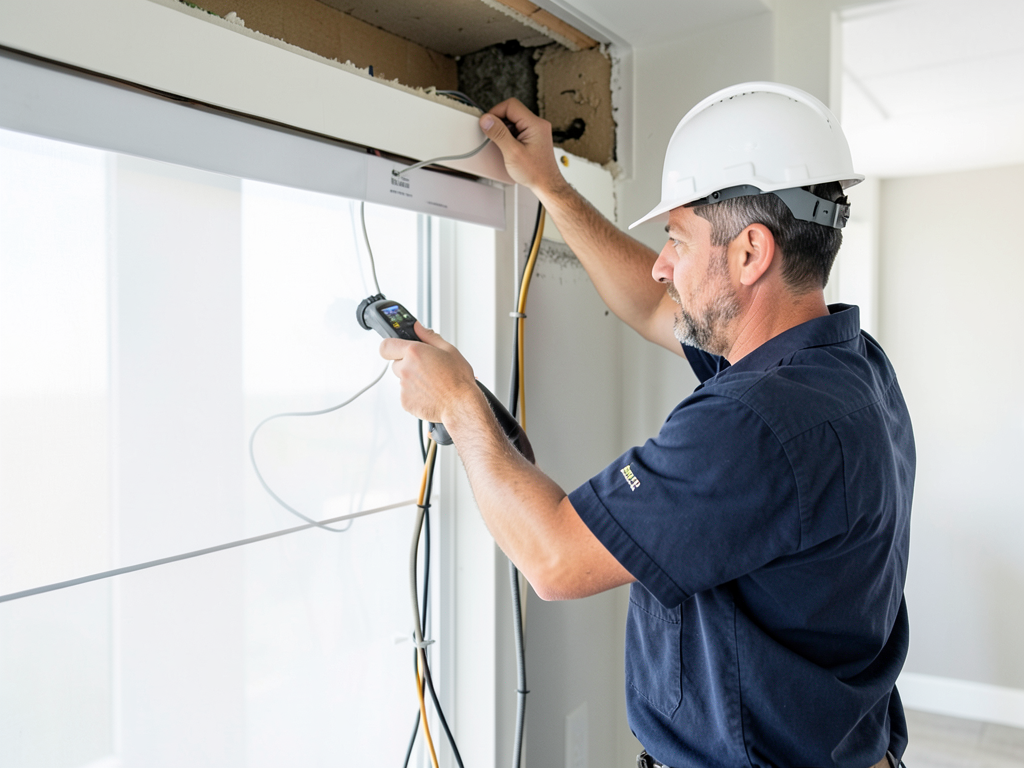
How Motorized Shades Get Power
Motorized shades run on two main power types. Low-voltage DC power uses 12V or 24V systems with small transformers. Line-voltage AC power runs on standard 120V household current. The right choice depends on your shade size and how many windows you want to control.
Low-voltage systems work well for standard residential shades under 10 pounds. These use smaller wires like 16/2 or 18/2 AWG and connect to central power supplies. Line-voltage systems power larger commercial-grade shades or groups of heavy blackout shades. These need 12/2 or 14/2 wiring and connect directly to your electrical panel. NEC Article 725 for low-voltage systems.
Why Hardwiring Beats Battery Power
Battery-powered shades need new batteries every 6-12 months. In Dallas heat, batteries die faster and replacements cost more over time. Hardwired shades run continuously without maintenance. You never get stuck with shades that won’t move because of dead batteries.
Hardwired systems also integrate with smart home controls. You can set schedules, control groups, and use voice commands. Battery shades often lack these features or drain power quickly when connected to networks.
Planning Your Shade Wiring
New construction gives you the easiest wiring option. Electricians run wires inside walls before drywall goes up. This hides all wiring and creates clean installations. Retrofitting existing condos takes more work but remains possible. Electricians Balch Springs.
For retrofits, electricians use fishing techniques to run wires through wall cavities. They cut small access holes, pull wires through, then patch and paint. The result looks like original construction when done properly. Electricians Duncanville.
Smart Home Integration Options
Modern motorized shades connect to home automation systems. Lutron Sivoia shades work with Caseta and RadioRA systems. Somfy motors integrate with most major smart home platforms. Control4 and Crestron systems offer the most advanced integration for luxury condos. Lutron motorized shade troubleshooting.
Integration lets you control shades from your phone, set sunrise/sunset schedules, and link shades to lighting scenes. Some systems even use temperature sensors to automatically close shades when rooms get too hot.
Dallas Building Code Requirements
Dallas follows the National Electrical Code with local amendments. Motorized shade wiring must meet Article 725 for low-voltage systems or standard branch circuit rules for line-voltage setups. All wiring needs proper junction boxes and cannot run through HVAC ducts. Electrical Contractor.
Low-voltage shade wiring often qualifies for Class 2 installation, meaning it doesn’t need a permit in most cases. Line-voltage wiring always requires permits and inspections. Your electrician should know these rules and handle permits when needed.
Power Supply Options
Centralized power supplies serve multiple shades from one location. This works well for rooms with several windows. Individual plug-in transformers work for single shades or when centralized power isn’t practical.
Power over Ethernet (PoE) offers another option for smart shades. PoE sends both power and data through Cat6 cables. This simplifies wiring and works well with IP-controlled shades. Not all shade brands support PoE yet.
Cost Considerations
Professional installation costs more upfront than DIY battery setups. But you save money long-term on batteries and avoid the hassle of replacements. Hardwired shades also add home value since buyers see them as premium features.
Retrofitting costs more than new construction wiring due to labor for fishing wires and patching walls. But the convenience and reliability make it worthwhile for most condo owners.
Choosing the Right System
Consider your priorities when selecting motorized shades. If you want basic operation with minimal wiring, low-voltage battery-free systems work well. For maximum features and integration, line-voltage systems with smart home controls offer the best experience.
Think about your condo’s electrical capacity too. Older West Village buildings might need electrical panel upgrades to handle new shade circuits. A licensed electrician can evaluate your system and recommend solutions.
Maintenance and Troubleshooting
Hardwired shades need minimal maintenance. Dust the shades regularly and check that all motors move smoothly. If a shade stops working, check the power supply first before calling for service.
Smart home integration can sometimes cause issues. Network problems might prevent remote control. Your electrician can help diagnose whether problems are electrical or network-related.
Professional Installation Benefits
Professional electricians ensure your shade wiring meets all safety codes. They know how to run wires without damaging walls or creating fire hazards. They also guarantee their work and handle any necessary permits.
DIY wiring risks electrical fires, failed inspections, and voided home insurance. Professional installation costs more but protects your investment and your safety.
Timeline for Installation
New construction wiring happens during framing and rough-in phases. Plan this 2-3 months before your move-in date. Retrofitting usually takes 1-2 days per room depending on wall construction and access.
Smart home integration adds time for programming and testing. Budget 2-3 extra days if you want full automation features.
Energy Efficiency Benefits
Motorized shades help control heat gain in Dallas summers. Automated closing during peak sun hours reduces AC load. Some smart systems use light sensors to optimize shade positions throughout the day.
Cellular and honeycomb shades provide insulation when closed. Combined with automation, this can lower energy bills year-round.
Common Problems to Avoid
Undersized power supplies cause shade motors to struggle or fail. Always choose supplies rated for your total shade load plus 20% extra capacity. Poor wire routing creates visible wires or damage during future renovations.
Using wrong wire gauges causes voltage drop, making shades move slowly or not at all. A professional electrician calculates proper wire sizes based on distance and load.
Future-Proofing Your Installation
Install extra wiring capacity if you might add more shades later. Run additional wires to window areas even if you only need some now. This saves money compared to adding wiring later.
Choose systems with open protocols or strong manufacturer support. Some older smart shade systems become obsolete when companies stop supporting them.
When to Call a Professional
Call a licensed electrician if you need new circuits, panel upgrades, or complex smart home integration. They can also help if your condo association has specific wiring requirements.
Electricians also handle warranty issues better than DIY installers. If something fails, they know how to diagnose and fix problems quickly.
Making Your Decision
Motorized shades improve your condo’s comfort and convenience. The right electrical setup ensures they work reliably for years. Consider your budget, desired features, and long-term plans when choosing between battery and hardwired options.
Professional installation gives you peace of mind and protects your investment. The convenience of working shades without battery hassles makes the cost worthwhile for most condo owners.
Frequently Asked Questions
Do motorized shades need special electrical outlets?
Most motorized shades don’t need special outlets. Low-voltage systems use small transformers plugged into standard outlets. Line-voltage systems connect to existing circuits but may need new dedicated circuits for heavy loads.
How long do hardwired motorized shades last?
Quality hardwired motorized shades typically last 10-15 years or more. The motors and electronics are the most likely components to fail. With proper installation and occasional maintenance, the electrical components can last even longer.
Can I install motorized shades myself?
You can install battery-powered shades yourself easily. Hardwired systems require electrical knowledge and tools. DIY electrical work risks fire hazards and code violations. For hardwired installations, hire a licensed electrician unless you have electrical experience.
What’s the difference between AC and DC power for shades?
AC power uses standard household voltage (120V) and connects directly to your electrical system. DC power uses low voltage (12V or 24V) with transformers. AC works better for large or multiple shades. DC works well for standard residential applications and is often simpler to install.
Do motorized shades work during power outages?
Most hardwired motorized shades stop working during outages. Some high-end systems include battery backup modules. You can also add manual override mechanisms to most motorized shades for emergency operation.
