Why Your Dallas Garage Extension Cords Could Be a Ticking Time Bomb
During a typical Dallas summer your garage becomes a heat trap. When you add extension cords running multiple power tools a refrigerator and holiday lighting you create a dangerous electrical environment. Every year overheated cords and overloaded circuits cause hundreds of house fires in Texas. The National Fire Protection Association reports that electrical failures account for over 45 000 home fires annually nationwide with extension cord misuse being a leading contributor. National Fire Protection Association.
North Texas presents unique challenges. Our extreme summer temperatures sometimes exceeding 100 degrees Fahrenheit degrade cord insulation faster than in cooler climates. The high humidity common in Dallas suburbs like Carrollton and DeSoto can also cause corrosion on cord connections. Add to that the occasional winter freeze that stresses older wiring and your garage becomes a year-round electrical hazard zone if you rely on temporary extension cords instead of permanent outlets. Texas Department of Licensing and Regulation.
Understanding these risks is the first step toward protecting your home and family. This guide explains the hidden dangers of extension cord use in Dallas garages and when you should call a licensed electrician for a permanent solution.. Read more about Managing Two Electric Vehicles with a Dual Charging Station in Your McKinney Home.
Understanding Extension Cord Ratings and Labels
Not all extension cords are created equal. The letters printed on the cord jacket tell you exactly what the cord is designed for. An “S” rating means the cord is for general indoor use. A “W” rating indicates it’s suitable for outdoor use and can handle moisture and temperature extremes. For Dallas garages which often serve as both workshop and storage space you need cords rated for both indoor and outdoor use.
The wire gauge measured in American Wire Gauge (AWG) determines how much current the cord can safely carry. Lower numbers mean thicker wires and higher capacity. A 16-gauge cord might handle a small power tool but it cannot safely power a refrigerator or multiple devices. For heavy-duty use in your Dallas garage you need at least a 12 or 14-gauge cord rated for 15 amps or more. City of Dallas Building Inspection.
Length also matters. Longer cords have more resistance which means they can overheat even if the gauge is correct for the load. A 100-foot cord powering a 15-amp tool might overheat at the plug end even though the tool itself is within the cord’s rated capacity. In Dallas’s sprawling suburban garages where distances between outlets and work areas can be substantial this becomes a critical safety consideration.
The Seven Extension Cord Safety Rules You Cannot Ignore
- Never daisy-chain cords or power strips. Connecting multiple extension cords together creates excessive resistance and heat buildup. This is one of the most common causes of garage fires in Dallas homes.
- Keep cords away from water and moisture. Dallas humidity and occasional flooding in low-lying areas like parts of Cedar Hill make this rule especially important. Water and electricity create a deadly combination.
- Never run cords under rugs or through walls. Heat cannot dissipate properly when cords are covered leading to insulation breakdown and fire risk. This is particularly dangerous in Dallas’s older ranch homes where garages often connect directly to living spaces.
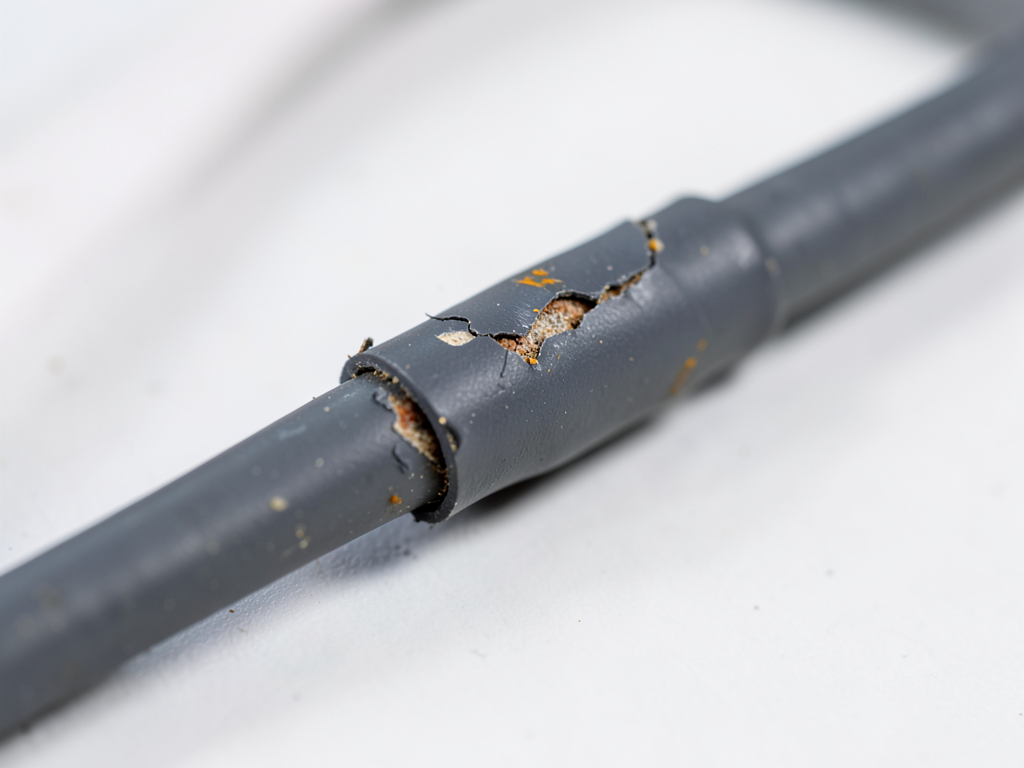
- Inspect cords regularly for damage. Look for cracked insulation exposed wires or melted plugs. Dallas heat accelerates cord degradation so monthly inspections are wise.
- Match cord capacity to device requirements. A refrigerator needs a dedicated 15-amp circuit. Running it on a light-duty extension cord can cause the compressor to fail or create a fire hazard.
- Never use indoor cords outdoors. Dallas weather includes intense sun heavy rain and occasional ice storms. Only use cords with “W” ratings for any outdoor or garage use.
- Replace cords that feel warm to the touch. Heat indicates overload or internal damage. In a hot Dallas garage a warm cord is already operating near its danger point.
Indoor vs. Outdoor Cords What Dallas Homeowners Must Know
The difference between indoor and outdoor extension cords goes far beyond the price tag. Outdoor cords have weather-resistant jackets that protect against UV damage from the intense Texas sun. They also have heavier insulation to withstand temperature extremes from summer heat to winter cold snaps that occasionally hit Dallas suburbs like Duncanville and Balch Springs. Electricians Balch Springs.
Ground Fault Circuit Interrupter (GFCI) protection is mandatory for outdoor and garage outlets in Dallas homes. This safety feature cuts power when it detects a ground fault preventing electric shock. If your garage outlets don’t have GFCI protection you violate National Electrical Code requirements and put your family at risk every time you use an extension cord. Who to Call for Emergency Electrical Repair in Uptown Dallas Tonight.
Dallas’s clay soil common in neighborhoods across the metroplex can shift during dry spells and after heavy rains. This movement can stress underground wiring and cause connections to loosen. When you add extension cords to this mix you create multiple failure points where moisture can enter and cause shorts or shocks.
Extension Cords as Temporary Solutions When They Become Permanent Problems
Extension cords work well for temporary needs like holiday lighting or occasional power tool use. The problem arises when temporary becomes permanent. Many Dallas homeowners use the same cords for years running them through garages to power workshops freezers or entertainment systems.
This creates several hazards. First cords deteriorate with age and heat exposure. A cord that’s safe when new becomes dangerous after three to five years of Dallas summer heat. Second the convenience of temporary cords often leads to overloading circuits. Your garage might only have one or two outlets but you’re trying to power five or six devices through extension cords.
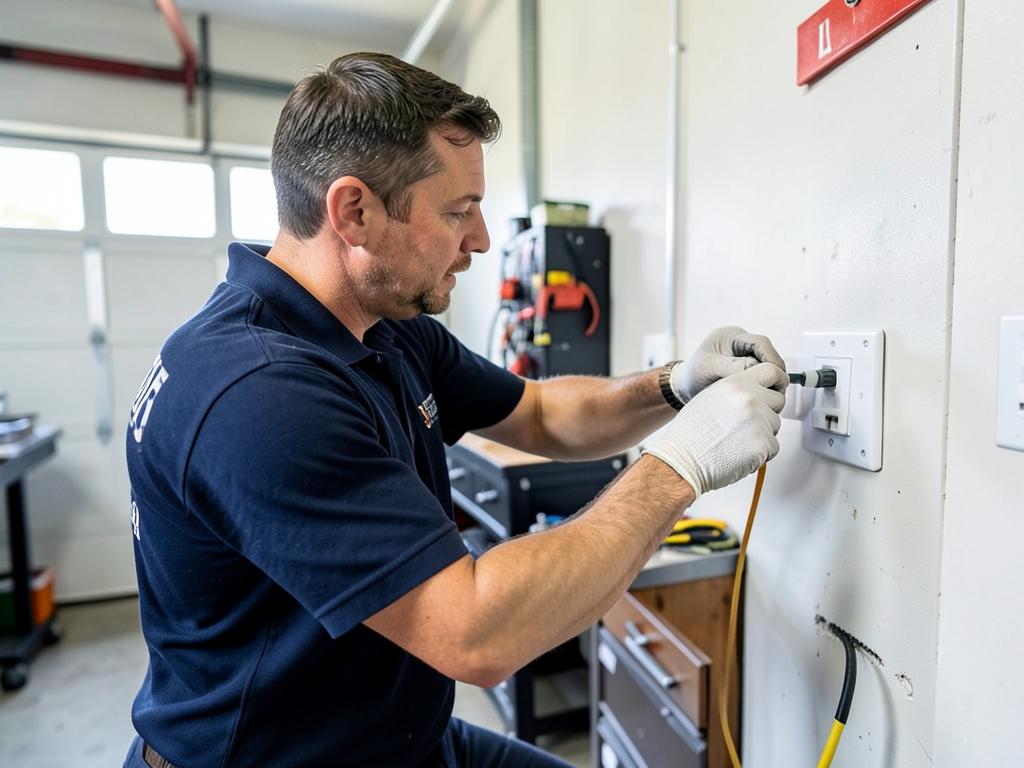
The solution is permanent wiring. Adding properly installed outlets costs more upfront but eliminates the fire and shock risks of extension cords. A licensed Dallas electrician can install GFCI-protected outlets exactly where you need them with wiring sized for your actual power needs. This is especially important in older Dallas neighborhoods where homes built in the 1960s and 1970s often have outdated electrical systems. Electrical Contractor.
Local Dallas Electrical Safety Resources and Regulations
Dallas follows the National Electrical Code with local amendments from the North Central Texas Council of Governments. The City of Dallas requires permits for most electrical work including adding outlets or upgrading circuits. These regulations exist to protect homeowners from fire and shock hazards.. Read more about Essential Electrical Requirements for a Commercial Grade Home Gym in Keller.
The Texas Department of Licensing and Regulation licenses electricians and investigates complaints. Always verify that any electrician you hire has a current TDLR license. Unlicensed work not only violates city codes but also voids your homeowner’s insurance if a fire occurs.
For emergency electrical issues the Dallas Fire-Rescue Department provides 24/7 response. If you notice burning smells sparking outlets or frequent breaker trips don’t wait. These are signs of serious electrical problems that require immediate professional attention.
Warning Signs Your Extension Cords Are Dangerous
Extension cords often fail gradually giving you warning signs before a catastrophic failure occurs. If your cord feels warm or hot to the touch during normal use that’s a clear danger signal. The insulation is breaking down and the internal wires are overheating.
Look for physical damage like cracks cuts or melted areas on the cord jacket. Dallas heat can cause PVC insulation to become brittle and crack exposing live wires. If you see any copper wire through the insulation discard the cord immediately.
Frequent tripping of circuit breakers when using extension cords indicates overload. Your devices are drawing more current than the cord or circuit can safely handle. This is especially common in older Dallas homes where the original electrical system wasn’t designed for today’s power-hungry devices.
Discoloration around plugs or outlets suggests arcing and overheating. This often appears as brown or black marks on the plug blades or outlet face. These are fire hazards that require immediate professional attention.
Proper Extension Cord Storage for Dallas Weather
Even when not in use extension cords need proper storage to maintain their safety. Dallas’s extreme weather takes a toll on cord materials. UV radiation from the intense Texas sun degrades PVC insulation over time making it brittle and prone to cracking.
Store cords in cool dry places away from direct sunlight. A garage cabinet or storage bin works well but make sure the storage area doesn’t get excessively hot. Temperatures over 120 degrees Fahrenheit can damage cord insulation even when the cord isn’t in use.
Before storing cords inspect them for damage and clean off any dirt or debris. Coil them loosely rather than tightly as tight coils can stress the internal wires. Never store cords while they’re still warm from use as trapped heat can cause insulation breakdown.
For seasonal items like holiday lights label cords with their purchase date and usage history. Most cords should be replaced every three to five years regardless of visible condition. The internal wiring degrades from heat cycling even when the outer jacket looks fine.
Warning Signs Your Home Needs Professional Electrical Work
Some situations demand permanent electrical solutions rather than temporary cords. If you’re running extension cords for more than 30 days you need additional outlets. This is both a safety issue and often a code violation in Dallas.
Major appliances like refrigerators freezers and air compressors require dedicated circuits. Running these on extension cords can cause equipment damage and create fire hazards. A licensed electrician can install properly sized circuits with the correct breakers and wiring.
If you’re remodeling or adding new rooms plan for adequate outlet placement during the construction phase. Retrofitting after completion costs more and often requires cutting into finished walls and ceilings. Safe and Affordable Ceiling Fan Installation Services in Lake Highlands.
Older Dallas homes particularly those built before 1970 in neighborhoods like East Dallas or Oak Cliff often have electrical systems that cannot handle modern power demands. If your home has fuses instead of circuit breakers or if you constantly trip breakers you need a professional electrical assessment.
Frequently Asked Questions
Can I use an indoor extension cord in my garage if it never gets wet?
No. Dallas garages experience humidity temperature extremes and occasional water intrusion that indoor cords cannot handle. Always use cords rated for outdoor use in garages.
How long can I safely use an extension cord?
Extension cords should be temporary solutions not permanent wiring. If you need a cord for more than 30 days you should install additional outlets instead.
What’s the difference between a surge protector and an extension cord?
A surge protector includes circuitry to absorb voltage spikes that can damage electronics. An extension cord only provides additional reach. For valuable equipment always use a surge protector with proper joule rating.
Can I plug a power strip into an extension cord?
This creates a dangerous connection that violates electrical codes and creates fire hazards. Never connect power strips to extension cords or other power strips.
How do I know if my garage outlets have GFCI protection?
GFCI outlets have “TEST” and “RESET” buttons on the face. If your garage outlets don’t have these buttons they lack required GFCI protection and need upgrading.
Protect Your Dallas Home with Professional Electrical Solutions
Extension cords might seem like convenient solutions but they create serious risks in Dallas garages. The combination of extreme heat high humidity and aging electrical systems in many North Texas homes makes proper wiring essential for safety.
If you’re relying on extension cords to power your garage workshop appliances or seasonal equipment you should consider permanent solutions. A licensed Dallas electrician can assess your needs install properly sized circuits and GFCI-protected outlets and ensure your home meets all local electrical codes.
Don’t wait for an electrical fire or shock to realize the danger. Contact Apex Electricians Dallas today at (972) 823-5855 for a comprehensive electrical safety inspection. We serve homeowners throughout the Dallas-Fort Worth metroplex including Carrollton DeSoto Duncanville and surrounding communities. Our licensed electricians will help you eliminate extension cord hazards and create a safe reliable electrical system for your home. Finding a Reliable Residential Electrician in Plano for Your Kitchen Remodel.
Your family’s safety is worth the investment in proper electrical infrastructure. Call us now to schedule your inspection and take the first step toward eliminating dangerous extension cord use in your Dallas garage.