
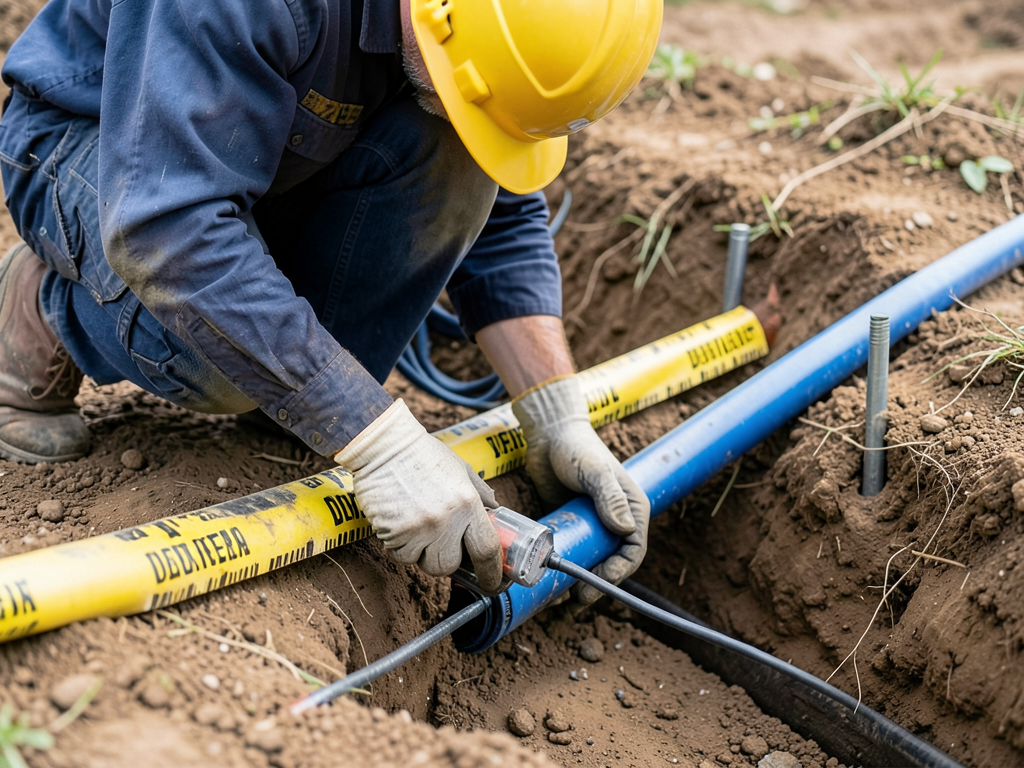
Running Underground Power to Your New Shed or Workshop in Wilmer
Running underground power to a shed or workshop in Wilmer requires careful planning to meet Dallas electrical codes and North Texas soil conditions. Whether you need basic lighting or full workshop power understanding local requirements and safety standards is essential before breaking ground. Dallas Building Inspection Department.
Dallas Building Codes and Permit Requirements
The City of Dallas and surrounding suburbs like Wilmer require permits for most underground electrical installations. A permit ensures your work meets the National Electrical Code (NEC) and local amendments specific to North Texas. For a typical shed installation you’ll need an electrical permit from the Dallas Building Inspection department. The process includes submitting a detailed plan showing trench depth wire size and load calculations. National Electrical Code (NEC).
Local inspectors often require GFCI protection for all outdoor circuits and may specify additional grounding measures due to the expansive clay soil common in this area. The Dallas inspection department typically responds to permit applications within 3-5 business days though this can extend during peak construction seasons.
Choosing the Right Method Direct Burial vs Conduit
For underground installations in Wilmer you have two main options direct burial cable or conduit with individual wires. Direct burial UF-B cable is simpler but requires deeper trenching. Conduit systems using THWN-2 wires in Schedule 40 PVC offer more flexibility and easier future modifications.
Direct burial cable works well for shorter runs under 100 feet where the soil is relatively stable. For longer distances or areas with rocky soil common in parts of southern Dallas County conduit provides better protection against damage. The choice affects both installation cost and long-term maintenance requirements.
Trench Depth and Safety Standards (NEC 300.5)
North Texas soil conditions require specific trenching approaches. The NEC mandates 18 inches minimum depth for direct burial cable in residential applications but many Dallas inspectors prefer 24 inches for added protection against soil shifting. The expansive clay soil in Wilmer can cause significant ground movement making deeper trenches more reliable. Finding a Reliable Residential Electrician in Plano for Your Kitchen Remodel.
Before digging you must contact Texas811 to have all underground utilities marked. This free service typically responds within 48 hours in the Dallas area. Never skip this step hitting a gas line or water main can cause serious damage and personal injury. Texas811 Utility Marking Service.
Calculating Load and Voltage Drop for Distance
Distance significantly impacts wire sizing for underground runs. A 100-foot trench to a shed requires different wire gauge than a 200-foot run. Voltage drop becomes critical beyond 100 feet potentially causing equipment malfunction or premature failure of motors and compressors.
For a typical workshop setup with multiple outlets and lighting a 20-amp circuit often works for runs under 150 feet. Beyond that distance you may need to upgrade to 30 or 40 amps to maintain proper voltage. A licensed electrician can calculate the exact requirements based on your planned equipment and distance.
The Installation Process Step-by-Step
Successful underground power installation follows a specific sequence. First plan your route carefully avoiding large tree roots and utility lines. Second obtain necessary permits and have utilities marked. Third dig your trench to the required depth typically 18-24 inches depending on inspector requirements.
Install any necessary conduit or direct burial cable making sure all connections are waterproof. Install a junction box at both ends with proper weatherproof fittings. Finally have the installation inspected before covering the trench. This inspection ensures your work meets all safety codes and will function reliably for years to come.
Cost Factors for Underground Wiring in Dallas
Several factors affect the cost of running underground power in the Dallas area. Soil conditions play a major role the rocky clay soil common in southern Dallas County can significantly increase digging time and equipment needs. A simple 50-foot run through soft soil might cost $800-1200 while the same distance through rocky clay could double that cost.
Other cost factors include the need for a subpanel at the shed distance from the main electrical panel and whether you need additional circuits for specialized equipment. Professional installation typically includes permit fees materials labor and the final inspection. Who to Call for Emergency Electrical Repair in Uptown Dallas Tonight.
Soil-Specific Considerations for Wilmer
Wilmer’s location in southern Dallas County means dealing with the region’s characteristic Blackland Prairie clay soil. This soil expands when wet and contracts when dry creating significant movement that can stress underground electrical installations. The clay content also makes digging more labor-intensive than in sandy soils. Electrical Contractor.
For clay soil conditions using Schedule 80 PVC conduit provides extra protection against the soil’s abrasive nature. Some installers also recommend using flexible conduit in areas where soil movement is most pronounced. The extra cost of these materials often pays off in reduced maintenance and longer system life.
Safety and Code Compliance Checklist
Before starting your underground power project verify you have all necessary permits and understand local requirements. Ensure your trench depth meets or exceeds code requirements for your specific installation method. Use only UL-listed materials rated for underground use.
Install proper GFCI protection at the source or at the shed as required by current code. Make all connections in approved junction boxes with weatherproof covers. Finally schedule your final inspection before covering the trench this protects you from having to dig up work that doesn’t meet code.
Common Mistakes to Avoid
Many DIY attempts fail due to inadequate planning or code violations. One common error is using the wrong wire gauge for the distance leading to voltage drop problems. Another is failing to obtain permits which can result in failed inspections and costly rework.
Skipping the Texas811 utility marking service is particularly dangerous and can result in severe penalties if you damage underground utilities. Also using indoor-rated materials for outdoor applications will fail inspection and create safety hazards.
When to Call a Professional Electrician
While simple installations might seem manageable several situations call for professional help. If your run exceeds 100 feet involves multiple circuits or requires a subpanel professional installation ensures code compliance and safety. Also if you’re unsure about local permit requirements or soil conditions professional guidance prevents costly mistakes.
Professional electricians bring experience with local inspection requirements and can often complete the work more efficiently than DIY attempts. They also carry insurance that protects you from liability if something goes wrong during installation. Electricians Balch Springs.
Maintenance and Troubleshooting
Underground electrical systems require minimal maintenance but should be checked periodically for signs of trouble. Look for flickering lights tripped breakers or outlets that don’t work properly. These symptoms often indicate problems that need professional diagnosis.
If you experience issues with underground wiring don’t attempt repairs yourself. The combination of buried wires and potential moisture creates dangerous conditions that require professional tools and expertise to diagnose safely.
Future-Proofing Your Installation
When planning your underground power installation consider future needs. Installing larger conduit than currently needed allows for easy wire upgrades later. Planning for potential workshop expansion or additional lighting now can save significant costs later.
Some homeowners also install empty conduit alongside their power lines for future low-voltage applications like security cameras or landscape lighting. This forward-thinking approach minimizes disruption if you decide to add features later.
Local Success Stories
Homeowners in nearby Duncanville and Cedar Hill have successfully added power to their workshops and sheds often increasing their property value and functionality. One Duncanville resident installed a 50-amp subpanel for his woodworking shop while a Cedar Hill homeowner added lighting and outlets for a gardening shed.
These local examples show how properly installed underground power can transform backyard spaces into functional work areas. The key is following local codes and using appropriate materials for North Texas conditions.
Environmental Considerations
Underground electrical installations can impact local tree roots and soil ecology. Plan your trench route to minimize damage to established trees as root damage can stress or kill mature trees. Also consider the environmental impact of your material choices some PVC products have lower environmental impact than others.
Proper trench backfilling with appropriate material helps prevent soil erosion and maintains proper drainage around your installation. This attention to detail protects both your electrical system and the surrounding landscape.
Integration with Other Outdoor Projects
Many homeowners coordinate underground electrical work with other outdoor projects like irrigation systems or landscape lighting. Planning these projects together can reduce overall costs and minimize yard disruption. However keep electrical and water lines separated by at least 12 inches and ideally on opposite sides of the trench.
If you’re planning a pool or hot tub addition coordinate the electrical planning with those projects. Pool equipment often requires dedicated circuits that can be incorporated into your overall electrical plan.
Understanding Your Electrical Load
Before installing underground power calculate your expected electrical load. A simple shed with lighting might need only a 15-amp circuit while a workshop with power tools could require 30-50 amps. Overloading a circuit can cause breakers to trip and create fire hazards.
Consider both continuous loads (like lighting) and intermittent loads (like power tools). Professional load calculations ensure your installation can handle your current needs while leaving room for future additions.
Local Code Amendments
Dallas and surrounding suburbs sometimes adopt specific amendments to the NEC based on local conditions. These might include requirements for additional grounding due to soil conditions or specific conduit requirements for areas prone to soil movement. Checking with your local building department ensures you’re aware of any local variations.
Some areas also have specific requirements for installations near property lines or under driveways. Understanding these local nuances prevents costly mistakes and ensures smooth inspections.
Weather Considerations
North Texas weather presents unique challenges for underground electrical installations. Summer heat can affect wire performance while severe storms can cause soil movement. Using materials rated for local temperature extremes ensures reliable performance year-round. Reliable Commercial Electrical Contractors for Businesses in Downtown Dallas.
Proper drainage around your installation prevents water accumulation that could damage connections or create safety hazards. This is particularly important in areas with clay soil that doesn’t drain well.
Final Inspection and Testing
The final inspection is your last chance to catch problems before covering the trench. Inspectors check for proper depth appropriate materials and code-compliant connections. They also verify that all required permits are on file and that GFCI protection is properly installed.
After passing inspection test your installation thoroughly before regular use. Check all outlets verify proper voltage at the shed and ensure all GFCI devices function correctly. This testing phase catches any issues before you begin regular use.
Cost-Benefit Analysis
While professional installation costs more upfront than DIY attempts the benefits often outweigh the additional expense. Professional work includes warranty protection ensures code compliance and typically completes faster with fewer mistakes. The cost of a failed DIY attempt often exceeds professional installation costs.
Consider the value of your time the cost of materials and the potential for expensive mistakes when deciding between DIY and professional installation. For most homeowners professional installation provides better long-term value.
Getting Started
Ready to add power to your Wilmer shed or workshop? Start by contacting your local building department to understand permit requirements. Then consult with a licensed electrician to assess your specific needs and get a detailed quote.
Professional electricians can often complete the entire process from permit acquisition through final inspection making the project much simpler for homeowners. They also bring expertise in local code requirements and soil conditions that DIYers often lack.
Frequently Asked Questions
How deep should I bury electrical conduit in Dallas?
Most Dallas inspectors require 18 inches minimum for direct burial cable though 24 inches is often preferred for added protection against soil movement. Conduit installations may have different requirements based on the specific application and inspector preferences.
Can I run electrical and water lines in the same trench?
Yes but they must be separated by at least 12 inches and ideally placed on opposite sides of the trench. Never run electrical and water lines in the same conduit or directly adjacent without proper separation.
How much does it cost to run power to a shed in Dallas?
Costs vary widely based on distance soil conditions and electrical requirements. A simple 50-foot installation might cost $800-1200 while longer runs through rocky clay soil could cost significantly more. Professional installation including permits typically ranges from $1500-3500 for most residential applications.
Do I need a permit to run underground power to my shed?
Yes most cities in the Dallas area require permits for underground electrical installations. The permit process ensures your work meets code requirements and will be inspected for safety. Working without a permit can result in fines and may void your homeowner’s insurance.
How long does it take to install underground power to a shed?
A typical installation takes 2-3 days from start to finish. This includes one day for trenching and installation one day for connections and testing and time for the final inspection. Weather and soil conditions can affect this timeline.
What size wire do I need for a 100-foot run to my shed?
For a 100-foot run you typically need at least 10-gauge wire for a 20-amp circuit though the exact size depends on your total load. Voltage drop becomes significant beyond 100 feet so professional calculation ensures proper performance.
Ready to Power Your Outbuilding?
Running underground power to your shed or workshop in Wilmer doesn’t have to be complicated. With proper planning the right materials and adherence to local codes you can create a safe reliable power source for your outdoor space.
Don’t risk electrical hazards or code violations with DIY attempts. Our licensed electricians understand Dallas soil conditions local permit requirements and proper installation techniques. We’ll handle everything from initial consultation through final inspection ensuring your project meets all safety standards.
Call Apex Electricians Dallas today at (972) 823-5855 for a free consultation about your underground power project. We serve Wilmer and all surrounding Dallas suburbs with professional code-compliant electrical installations that stand the test of time.
You may also find this helpful. The Hidden Risks of Relying on Extension Cords in Your North Texas Garage.
