
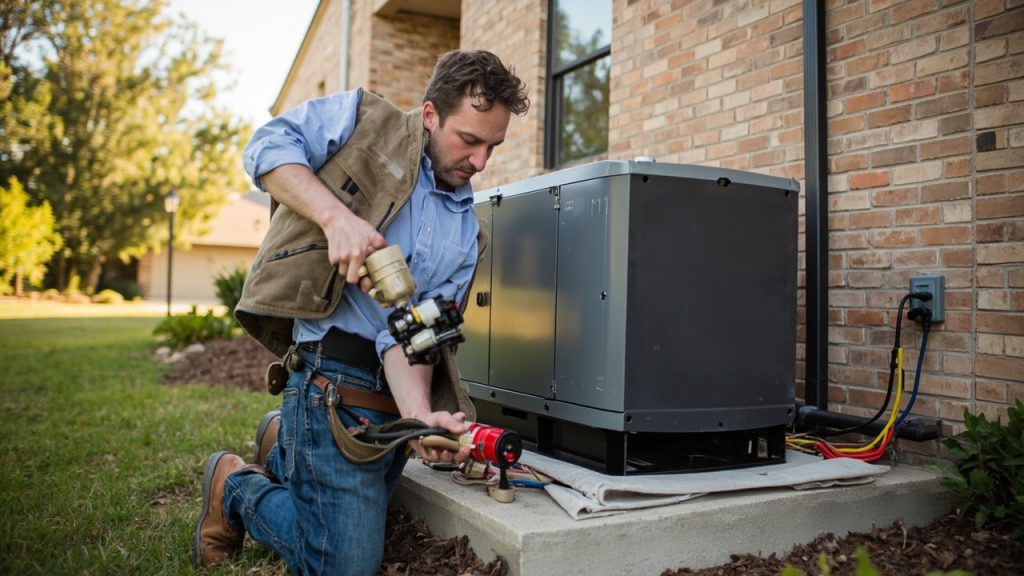
Installing a Whole House Backup Generator in Southlake Before the Next Storm
Power outages in North Texas aren’t just inconvenient. They’re becoming more frequent as extreme weather strains the ERCOT grid and aging infrastructure struggles to keep up. For Southlake homeowners, losing electricity means losing air conditioning during 100-degree summer days, spoiled groceries, and security systems going offline. Texas Department of Licensing and Regulation.
A whole house backup generator provides automatic protection when the power fails. Unlike portable generators, these permanently installed systems connect directly to your home’s electrical panel and start within seconds of an outage. The fuel source—either natural gas from your existing utility line or a dedicated propane tank—keeps the system running for hours or days without refueling. Who to Call for Emergency Electrical Repair in Uptown Dallas Tonight.
Southlake’s building codes and HOA requirements make installation more complex than in other areas. The City of Southlake requires specific permits for standby generators, and many neighborhoods have additional restrictions on placement, noise levels, and screening. Understanding these requirements before starting ensures your installation proceeds smoothly.
Understanding Southlake’s Generator Permit Requirements
The City of Southlake treats standby generators as permanent electrical equipment requiring multiple permits. You’ll need an electrical permit from the building inspections department, and often a mechanical permit if the unit exceeds certain BTU ratings. The process starts with submitting detailed plans showing the generator location, fuel line routing, and electrical connections. Electrical Contractor.
Southlake’s noise ordinances limit generator operation to 65 decibels at the property line during daytime hours and 55 decibels at night. This affects where you can place the unit—too close to a neighbor’s bedroom window and you’ll face complaints or fines. Many Timarron and Westover homeowners find they need additional sound barriers or strategic placement behind landscaping to meet these requirements.
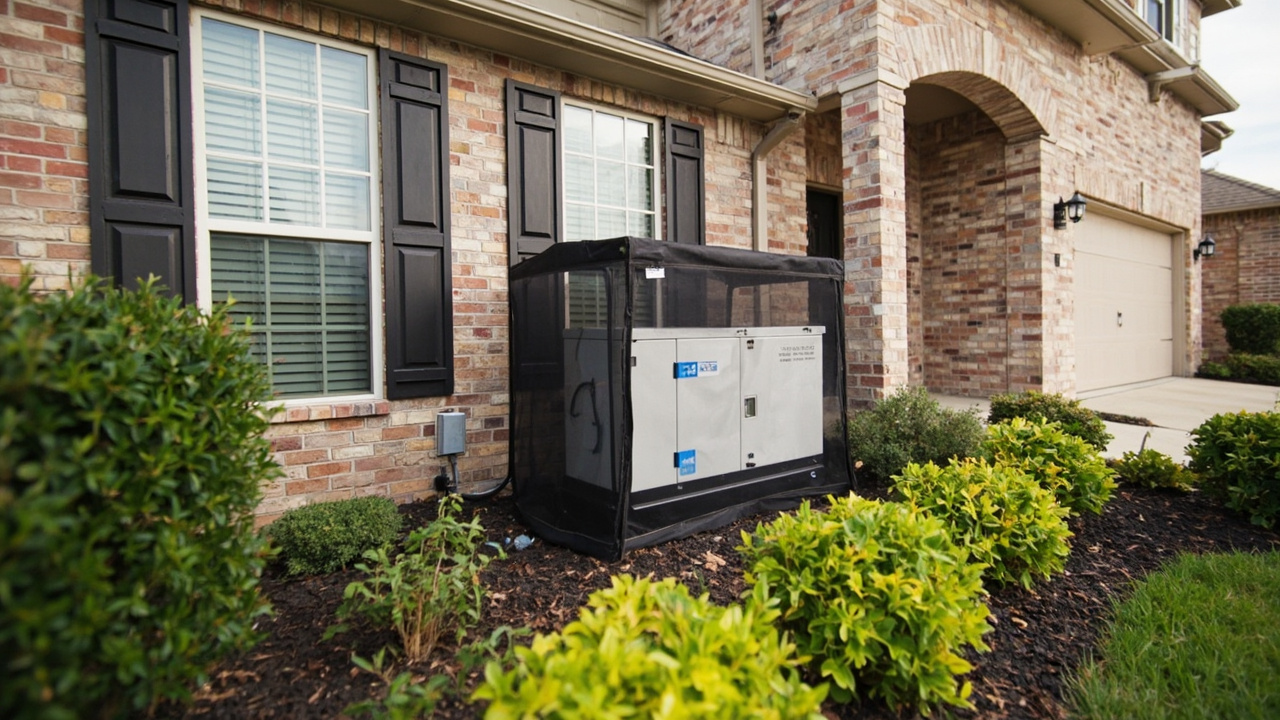
HOA restrictions add another layer. Most Southlake HOAs require generators to be screened from street view and prohibit placement in front yards. Some communities have specific setback requirements from property lines that exceed city minimums. Before selecting a location, review your HOA’s architectural guidelines and submit plans for approval.
Choosing Between Generac, Kohler, and Cummins Systems
Three manufacturers dominate the whole house generator market: Generac, Kohler, and Cummins. Each offers reliable systems but with different strengths for Southlake homes. Finding a Reliable Residential Electrician in Plano for Your Kitchen Remodel.
Generac leads in market share and offers the widest range of air-cooled and liquid-cooled units. Their Guardian series provides excellent value for homes under 3,500 square feet, while the QuietSource series handles larger estates with lower noise profiles. Generac’s mobile monitoring app lets you check status and receive alerts from anywhere.
Kohler generators excel in commercial-grade durability and have the lowest total harmonic distortion, making them ideal for homes with sensitive electronics or medical equipment. Their units run quieter than competitors and offer longer warranties on certain components. Kohler’s corrosion-resistant aluminum enclosures perform better in Southlake’s humid climate. Reliable Commercial Electrical Contractors for Businesses in Downtown Dallas.
Cummins specializes in industrial applications but offers residential units with exceptional fuel efficiency. Their generators typically run longer on the same amount of fuel and have advanced load management systems that prioritize critical circuits during extended outages. Cummins units cost more upfront but may save money long-term through reduced fuel consumption.
The right choice depends on your home size, electrical load, and budget. A licensed electrician can perform a load calculation to determine whether you need a 16kW, 22kW, or 26kW unit to power your entire home.
The 5-Step Installation Process
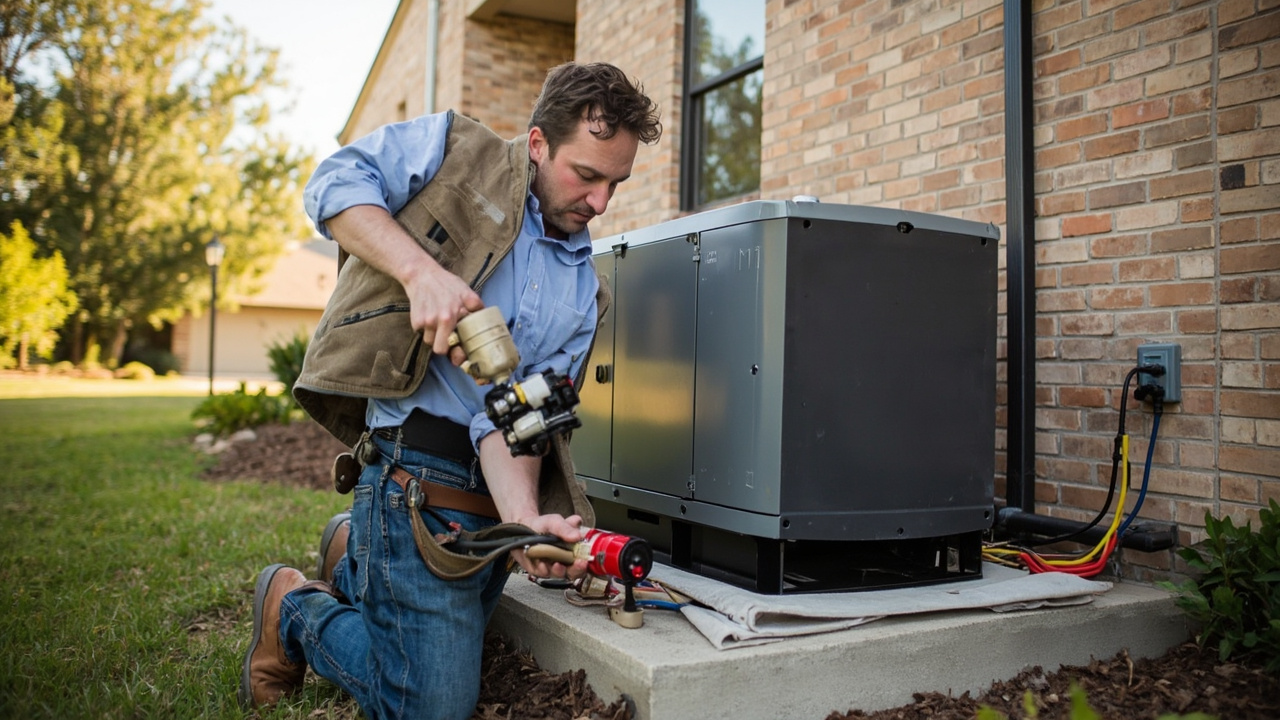
Installing a whole house generator involves more than just setting the unit and connecting wires. Here’s what to expect:
- Site Assessment and Load Calculation
A technician evaluates your electrical panel, measures available space, checks fuel line access, and calculates your home’s power requirements. This determines the appropriate generator size and identifies any necessary electrical panel upgrades.
- Permit Acquisition and HOA Approval
Your contractor submits permit applications to the City of Southlake and your HOA. This process typically takes 1-2 weeks. The contractor should handle all paperwork and coordinate inspections.
- Concrete Pad Preparation
A level, reinforced concrete pad provides the foundation for your generator. The pad must meet manufacturer specifications for thickness and reinforcement, typically 4-6 inches with wire mesh. Proper drainage around the pad prevents water accumulation.
- Fuel Line Installation and Generator Placement
For natural gas units, a licensed plumber runs the fuel line from your meter to the generator location. Propane units require a dedicated tank installation. The generator then gets positioned on the pad and connected to both fuel and electrical systems.
- Transfer Switch Installation and System Testing
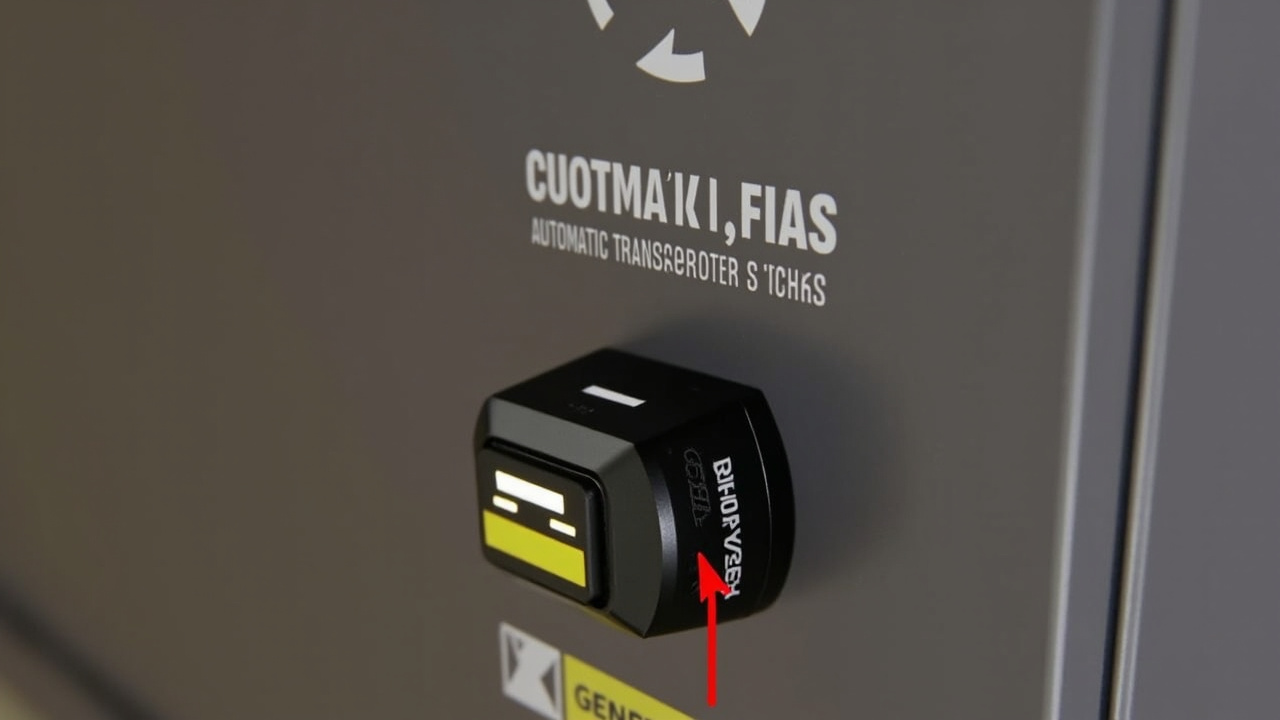
An automatic transfer switch monitors utility power and signals the generator to start when outages occur. The switch disconnects your home from the grid during generator operation to prevent backfeeding. Final testing ensures the system starts automatically and powers your critical circuits.
The entire process typically takes 2-4 days once permits are approved, though concrete curing may add additional time.
Natural Gas vs. Propane: Fuel Source Considerations
Southlake homes have different fuel options depending on neighborhood infrastructure. Most areas have natural gas service, but some newer developments or rural properties may require propane.
Natural gas offers convenience—your generator connects to the existing utility line and runs as long as the gas supply remains available. During major storms, natural gas infrastructure often stays operational even when electricity fails. However, gas pressure can drop during widespread outages, potentially limiting generator performance.
Propane provides independence from utility infrastructure. A dedicated tank ensures fuel availability regardless of what happens to natural gas lines. Propane burns hotter and more efficiently than natural gas, potentially providing more power per gallon. The tradeoff is the need for tank monitoring and periodic refills, plus the higher upfront cost of tank installation.
Fuel consumption varies by generator size and load. A 22kW unit typically burns 2-3 gallons of propane per hour or 200-300 cubic feet of natural gas per hour under full load. Most Southlake homes don’t run generators at full capacity continuously, so actual consumption is often lower.
Learn more about fuel regulations from the EPA.
Whole House vs. Essential Circuit Coverage
Deciding between powering your entire home or just essential circuits affects both cost and generator size. Whole house coverage means every outlet, light, and appliance works during outages. Essential circuit coverage powers critical systems like HVAC, refrigeration, medical equipment, and lighting in key areas.
For a typical Southlake home, whole house coverage requires a 22kW or larger generator. Essential circuit coverage might work with a 16kW unit, significantly reducing upfront costs. The tradeoff is manually managing which appliances run during outages to avoid overloading the system.
Load management technology helps bridge this gap. Smart transfer switches can shed non-essential loads when demand exceeds capacity, allowing smaller generators to power more of your home. For example, the system might automatically turn off the second air conditioner when the washing machine starts.
Consider your priorities: If you work from home and need computers running, whole house coverage makes sense. If you mainly want to keep the refrigerator cold and have lights during outages, essential circuits might suffice. A professional assessment helps determine the most cost-effective solution for your needs.
Preparing for North Texas Weather Events
Southlake faces several weather threats that make backup power essential. Summer heat waves push air conditioning demands to the limit, sometimes triggering rolling blackouts when ERCOT can’t meet demand. Winter storms can freeze power lines and damage transformers. Severe thunderstorms bring lightning strikes and high winds that knock out power for hours or days.
Ice storms pose particular risks to the Texas power grid. When ice accumulates on power lines, the added weight causes them to sag or break. Freezing rain can also damage transformers and other equipment. These events often affect large geographic areas, meaning utility crews may take days to restore power.
Beyond weather, the Texas power grid faces reliability challenges. Population growth in DFW outpaces infrastructure improvements, and the transition to renewable energy sources creates supply-demand mismatches. ERCOT’s reserve margins—the buffer between available power and peak demand—have been historically thin.
A whole house generator provides independence from these vulnerabilities. While neighbors wait days for power restoration, your home continues normal operation automatically. This protection becomes especially valuable for homes with elderly residents, young children, or medical equipment requiring continuous power.
Maintenance Requirements for Texas Climate
Texas heat and humidity create specific maintenance needs for standby generators. The battery that starts your generator degrades faster in high temperatures, typically lasting 3-4 years instead of the 5-6 years common in cooler climates. Annual battery testing and replacement when needed prevents starting failures during actual outages.
Air filters clog more quickly in Southlake’s pollen-heavy spring season. Monthly visual inspections and quarterly filter replacements keep the engine breathing properly. Neglecting filters reduces efficiency and can cause the generator to shut down during operation.
Rodents and insects seek shelter in generator enclosures, especially during extreme weather. Regular cleaning removes nesting materials and prevents damage to wiring or components. Some homeowners install mesh screens over vents to deter pests while maintaining proper airflow.
Exercise cycles—typically weekly automatic startups—keep the system lubricated and identify problems before you need the generator. Most modern units run these cycles automatically, but you should verify operation monthly. The exercise cycle also recharges the battery and ensures fuel lines remain primed.
Professional maintenance includes oil and filter changes, spark plug replacement, and comprehensive system testing. Annual service contracts typically cost $200-400 and include priority response if problems occur.
Cost Factors and Investment Considerations
Whole house generator installation represents a significant investment, but costs vary based on several factors. Generator size is the primary cost driver—a 16kW unit might cost $4,000-6,000 while a 26kW unit runs $8,000-12,000. Installation complexity adds to these costs.
Fuel line installation typically costs $500-2,000 depending on distance from the meter and whether trenching is required. Electrical panel upgrades add $1,000-3,000 if your existing panel can’t support the generator transfer switch. Concrete pad preparation runs $500-1,500.
Permit fees vary by municipality but typically range from $200-500 in Southlake. HOA application fees might add another $100-300. These administrative costs are necessary but often overlooked when budgeting.
The total investment for a complete installation usually ranges from $8,000-15,000 for average homes, with larger estates or complex installations exceeding $20,000. While substantial, this cost compares favorably to the inconvenience and potential damage from extended power outages.
Consider the value of peace of mind and home protection. For many Southlake homeowners, the ability to maintain normal life during outages justifies the investment. Additionally, a whole house generator can increase property value and appeal to future buyers concerned about power reliability.
Finding the Right Contractor in Southlake
Not all electricians have the expertise to install standby generators properly. Look for contractors with specific Generac, Kohler, or Cummins certifications, as these manufacturers require specialized training for warranty coverage. Ask about experience with Southlake permits and HOA requirements. Electricians Balch Springs.
Verify licensing through the Texas Department of Licensing and Regulation. A valid electrical contractor license ensures the company meets state requirements for insurance, bonding, and technical competence. Ask for proof of liability insurance and workers’ compensation coverage.
Request references from other Southlake homeowners and check online reviews specifically mentioning generator installations. Look for comments about permit handling, cleanup, and follow-up service. A good contractor should provide a written proposal detailing equipment specifications, permit responsibilities, and warranty terms.
Avoid contractors who quote prices without performing a load calculation or site assessment. Every home has unique electrical requirements, and proper sizing prevents both underperformance and wasted money on oversized equipment.
Communication matters throughout the process. Your contractor should explain technical concepts clearly, keep you informed about permit status, and be available to answer questions after installation. This ongoing relationship becomes important when maintenance or repairs are needed.
Frequently Asked Questions
How long does a whole house generator last?
Quality standby generators typically last 15-20 years with proper maintenance. The engine and alternator are the most durable components, while batteries, air filters, and oil require more frequent replacement. Regular professional service extends lifespan and prevents premature failures.
Can I install a generator myself to save money?
DIY installation violates electrical and mechanical codes and voids manufacturer warranties. Standby generators involve high-voltage electrical connections, fuel line installation, and complex control systems that require professional expertise. Improper installation creates safety hazards and may result in failed inspections or fines.
What happens if the generator fails during a storm?
Modern generators include self-diagnostic systems that alert you to problems before they cause failures. Many systems offer remote monitoring through smartphone apps, allowing you to check status from anywhere. Professional maintenance identifies worn components before they fail, and most contractors offer emergency repair services.
Will a generator power my pool equipment?
Most whole house generators can power pool pumps and heaters, but this adds to the required capacity. A typical pool pump draws 1,500-2,500 watts, while heaters can require 5,000-10,000 watts. If pool operation is important during outages, factor this into your load calculation and generator sizing.
How noisy are whole house generators?
Modern generators operate at 60-70 decibels when measured from 20 feet away—similar to a normal conversation or air conditioning unit. Quieter models achieve 55-60 decibels through advanced mufflers and sound-dampening enclosures. Southlake’s noise ordinances may require additional sound barriers depending on placement.
Do generators work during tornadoes?
Standby generators are designed to operate in severe weather, including high winds and heavy rain. The weather-resistant enclosures protect internal components, and automatic operation means the system works even when you’re sheltering indoors. However, fuel supply interruptions or physical damage to the unit itself could affect operation.
What maintenance is required during winter?
Texas winters rarely require cold-weather modifications, but annual service should include checking antifreeze levels if applicable, testing battery capacity, and verifying exercise cycle operation. Some homeowners choose to disable exercise cycles during freezing weather to prevent moisture accumulation on engine components.
Power outages in Southlake are inevitable, but extended outages don’t have to disrupt your life. A properly sized and installed whole house generator provides automatic protection when the grid fails, keeping your home comfortable and secure regardless of weather conditions.
The investment in professional installation pays dividends through convenience, safety, and property value. With Southlake’s specific permit requirements and HOA restrictions, working with an experienced local contractor ensures your system meets all regulations while providing reliable backup power for years to come.
Don’t wait for the next storm to leave you in the dark. Schedule a free load analysis and permit consultation with our licensed electricians today. We’ll evaluate your home’s power needs, explain your options, and handle all the complex paperwork so you can enjoy worry-free backup power when you need it most.
Call (972) 823-5855 now to schedule your free estimate and take the first step toward energy independence for your Southlake home.
