

Certified Electrical Hookups for New Pools and Hot Tubs in Rockwall
Installing a new pool or hot tub in Rockwall requires more than just digging a hole and filling it with water. The electrical system powering your pool equipment demands strict adherence to safety codes and specialized knowledge of National Electrical Code Article 680. A certified electrician ensures your pool pump, heater, salt system, and underwater lighting operate safely while protecting your family from electric shock drowning risks.
Professional Pool Wiring and Equipment Hookups
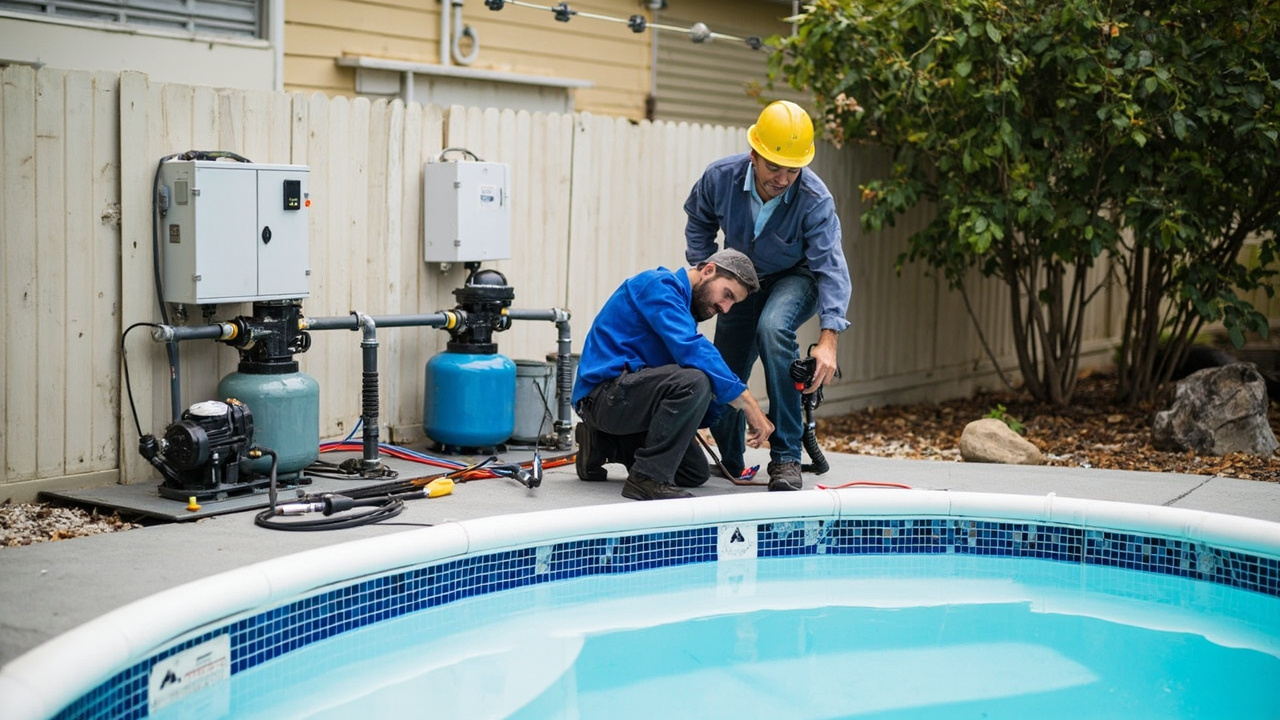
Pool electrical systems involve multiple components that must work together seamlessly. The main pool pump requires a dedicated 240-volt circuit with proper amperage to handle startup surges. Heaters need their own circuits, often requiring 50-60 amp service depending on the model. Saltwater chlorinators operate on 120-volt GFCI-protected circuits to prevent corrosion issues. LED underwater lighting systems use low-voltage transformers but still require proper bonding to prevent stray voltage in the water.
Modern pool automation systems like Pentair ScreenLogic or Hayward OmniLogic integrate all these components through a central control panel. This allows you to manage pump speeds, heater temperatures, and lighting from your smartphone. However, the control panel itself needs proper installation with surge protection and backup power options to prevent system failures during Rockwall’s frequent summer thunderstorms.
NEC Article 680 Compliance and Safety Standards
National Electrical Code Article 680 governs all electrical work around swimming pools, hot tubs, and spas. The code requires equipotential bonding grids that connect all metal components within five feet of the water. This includes the pool shell, metal coping, ladder anchors, and even nearby metal fencing. Without proper bonding, voltage gradients can develop in the water, creating dangerous shock hazards even when all equipment is functioning correctly.
GFCI protection is mandatory for all pool circuits. These devices detect ground faults and cut power within milliseconds, preventing potentially fatal shocks. Each circuit from the main panel to the pool sub-panel requires its own GFCI breaker. The sub-panel itself must be installed at least five feet from the pool edge and elevated above potential flood levels. All wiring must use weatherproof conduit and rated for direct burial where underground runs are necessary.
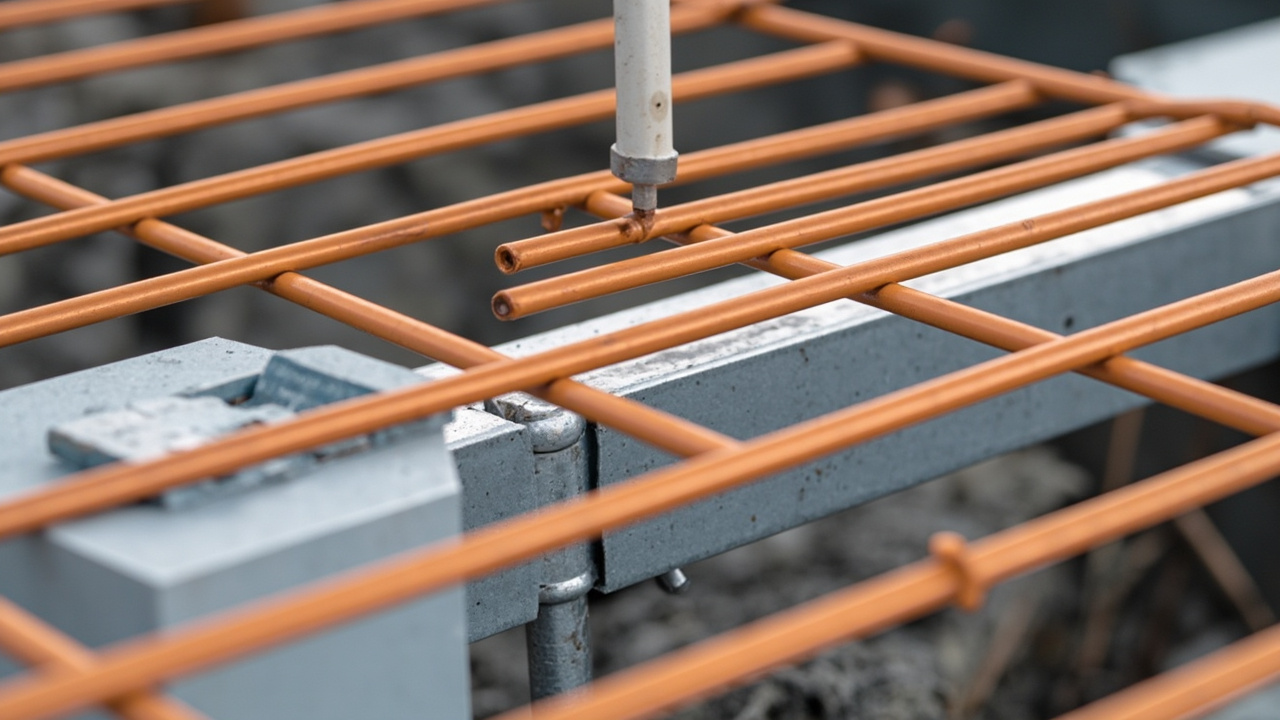
Equipotential bonding involves installing a #8 AWG bare copper conductor in a continuous loop around the pool perimeter. This bonding grid connects to all metal components including the pump motor, heater casing, and any metal handrails or ladders. The system creates an equal electrical potential across the entire pool area, preventing voltage differences that could cause electric shock drowning.
Rockwall Municipal Electrical Codes
Rockwall building permits are required for all new pool electrical installations. The permit process involves submitting detailed electrical plans showing circuit layouts, equipment locations, and bonding configurations. Rockwall building inspectors specifically trained in pool electrical safety conduct final inspections before pool operation can begin. They verify GFCI functionality, check bonding continuity with specialized meters, and ensure all equipment has proper clearances from the water.
Rockwall’s proximity to Lake Ray Hubbard means many properties have expansive clay soil that can shift during Texas’s extreme weather cycles. This soil movement can stress underground conduit runs and affect grounding rod effectiveness. Certified electricians account for these local conditions by using flexible conduit connections and oversized grounding systems. They also consider the high humidity levels near the lake when selecting weatherproof enclosures and corrosion-resistant materials.
Rockwall County electrical codes often require additional safety measures beyond NEC minimums. These may include secondary bonding systems for pools with automatic covers, redundant GFCI protection for critical circuits, and surge protection for all electronic pool equipment. The local codes also address specific concerns like lightning protection for pools on elevated properties and emergency shutoff switch locations.
Our Process From Trenching to Final Inspection
The pool electrical installation process begins with a comprehensive site evaluation. We assess your existing electrical panel capacity, determine optimal equipment locations, and identify any necessary upgrades. Most Rockwall homes built before 2010 need main panel upgrades to handle the additional pool loads, especially if you’re adding a heat pump or automation system.
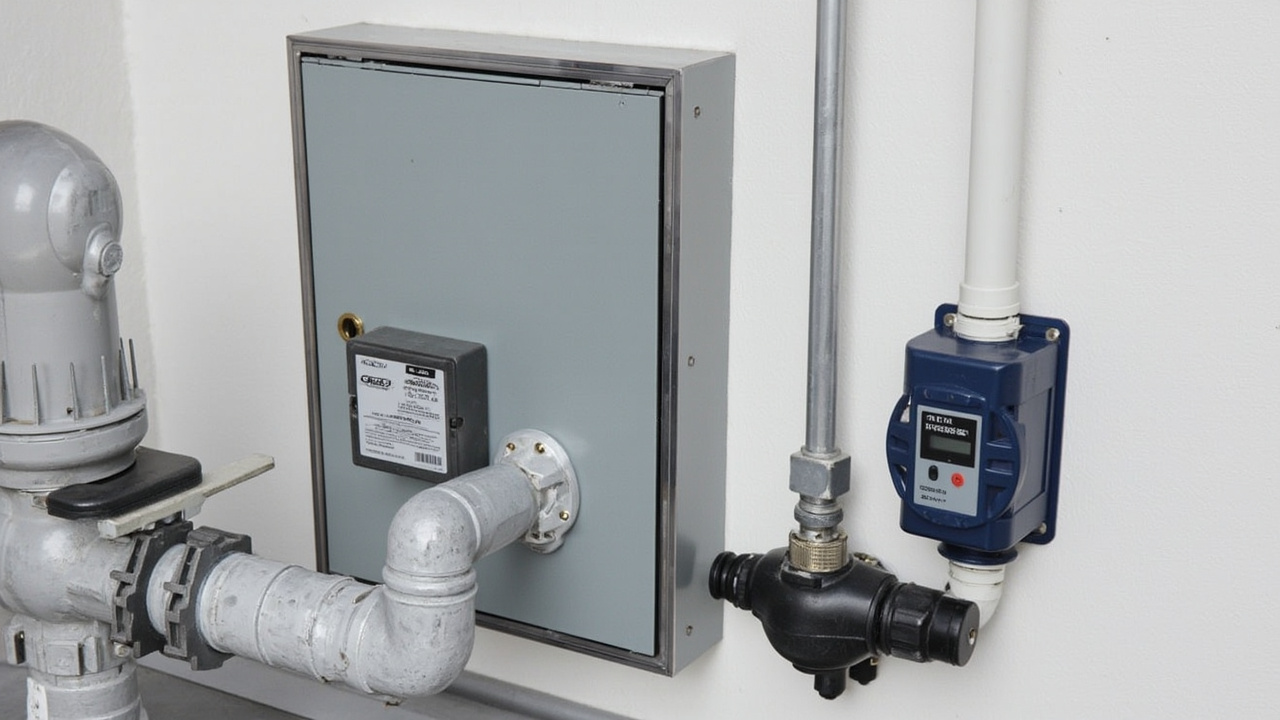
Equipment pad preparation involves creating a stable, level surface for pumps, filters, and heaters. We install weatherproof sub-panels with appropriate breaker configurations and mount disconnect switches at required distances from the pool. All wiring runs use schedule 40 PVC conduit buried at least 18 inches deep to protect against soil movement and future landscaping work.
Bonding installation follows a specific sequence. We lay the equipotential bonding grid before concrete pouring, connecting it to all metal components as they’re installed. This includes bonding the pool rebar cage, metal light niches, and any stainless steel fittings. We test bonding continuity at multiple stages to ensure no breaks in the system that could create shock hazards.
Final connections involve wiring all equipment according to manufacturer specifications and local codes. We program automation systems, test all GFCI circuits, and verify proper voltage at each device. Before final inspection, we conduct a comprehensive safety check including bonding resistance tests, GFCI trip testing, and verification of all required clearances and signage.
Why Choose a Dallas-Based Master Electrician for Your Rockwall Pool
Working with a Dallas-based master electrician provides advantages for Rockwall pool owners. Our team understands the electrical infrastructure serving both Dallas and Rockwall, including Oncor’s service patterns and common voltage issues in the I-30 corridor. We maintain relationships with local inspectors and understand the specific documentation they require for timely permit approvals.
Emergency support is critical for pool owners. Our 24/7 service means you’re never left with a non-functioning pool during Rockwall’s hot summer months. We stock common replacement parts in our service vehicles and can often resolve issues within hours rather than days. This rapid response is especially important for saltwater systems that can become imbalanced quickly without proper pump operation.
Warranty coverage extends beyond equipment manufacturer warranties. We provide labor warranties on all our electrical work and offer extended protection plans for critical components like automation systems and variable-speed pumps. Our experience with multiple equipment brands allows us to recommend the most reliable options for Rockwall’s specific conditions, including heat-tolerant pump motors and corrosion-resistant materials for properties near Lake Ray Hubbard.
Pool Equipment Specifications and Requirements
Pool pumps typically require 240-volt, 20-30 amp dedicated circuits depending on horsepower. Variable-speed pumps offer significant energy savings but need compatible controls and may require panel upgrades. Single-speed pumps are simpler but consume more electricity, often requiring 30-50 amp service for larger units.
Pool heaters range from 120-volt, 15-amp electric models to 240-volt, 50-60 amp heat pumps and gas heaters. Heat pumps need dedicated circuits and proper ventilation. Gas heaters require both electrical connections for controls and proper gas line sizing, often necessitating coordination with plumbing contractors.
LED underwater lighting systems operate on 12-volt low-voltage circuits for safety. Each light fixture needs its own GFCI-protected circuit, and the transformer must be properly grounded and bonded. Color-changing LED systems add control wiring complexity but provide dramatic lighting effects for evening pool use.
Automation systems centralize control of all pool functions. The control panel requires a 120-volt, 15-amp GFCI circuit and proper mounting location. Smart pool controls add Wi-Fi connectivity and mobile app integration but need network wiring and surge protection to prevent control failures.
Safety Inspection Checklist for Existing Pools
Older pools in Rockwall may not meet current NEC 680 standards. A professional safety inspection can identify potential hazards before they cause problems. We check bonding continuity, GFCI functionality, and equipment clearances as part of our comprehensive evaluation.
Common issues in older pools include missing or inadequate bonding, outdated GFCI protection, and improper equipment grounding. Metal components may have corroded connections that compromise the bonding system. Electrical panels may lack proper surge protection for sensitive pool electronics.
We test all circuits with ground-fault detection equipment to verify GFCI protection is functioning correctly. Bonding systems undergo continuity testing to ensure all metal components are properly connected. We also check for proper grounding of all equipment and verify that all required safety signage is present and visible.
If deficiencies are found, we provide detailed recommendations for bringing the system up to current standards. This may include installing new bonding conductors, upgrading GFCI protection, or replacing outdated equipment. Our goal is ensuring your pool operates safely while meeting all local code requirements.
Cost Factors and Timeline Considerations
Pool electrical installation costs vary based on several factors. Distance from the main electrical panel affects trenching and conduit requirements. Equipment pad complexity, including multiple devices and automation systems, increases wiring and control requirements. Local permit fees and inspection costs in Rockwall typically range from $200 to $500 depending on project scope.
Timeline expectations should account for permit processing, which typically takes 1-2 weeks in Rockwall. Installation itself usually requires 2-4 days for standard pools, with additional time for complex automation systems or extensive trenching. Final inspections must be scheduled after all work is complete, adding another 2-3 days before pool startup.
Weather considerations affect scheduling, especially during Rockwall’s storm season. We monitor weather forecasts and schedule work during favorable conditions to prevent delays. Clay soil conditions can also impact trenching timelines, as wet soil requires different excavation techniques than dry conditions.
Energy efficiency upgrades like variable-speed pumps and LED lighting have higher upfront costs but provide long-term savings. We help you evaluate these options based on your expected pool usage and local electricity rates. Some energy-efficient upgrades may qualify for utility rebates, which we can help you research and apply for.
Maintenance and Troubleshooting Guidelines
Regular maintenance prevents most pool electrical problems. We recommend quarterly inspections of all GFCI devices, bonding connections, and equipment grounding. These inspections should include testing all safety devices and checking for signs of corrosion or damage to weatherproof enclosures.
Common troubleshooting issues include tripped GFCI breakers, which often indicate moisture intrusion or equipment problems. We provide guidance on basic troubleshooting steps like checking for obvious water leaks around equipment or resetting GFCI devices properly. However, all electrical repairs should be performed by qualified professionals due to the inherent risks around pool environments.
Seasonal considerations affect pool electrical systems. Summer heat increases electrical loads and can cause overheating in inadequately ventilated equipment areas. Winter freezes, though rare in Rockwall, can damage exposed wiring and equipment if proper freeze protection isn’t installed. We recommend seasonal check-ups to ensure all systems operate correctly year-round.
Automation system updates and software upgrades keep your pool controls functioning optimally. We provide guidance on when to update control software and how to maintain network connectivity for smart pool features. Regular software updates often include security patches and new features that enhance your pool experience.
Frequently Asked Questions
How long does pool electrical installation take in Rockwall?
Standard pool electrical installation typically requires 2-4 days for the actual wiring work, plus 1-2 weeks for permit processing and final inspections. Complex automation systems or extensive trenching may extend the timeline to 1-2 weeks total.
Do I need a permit for pool electrical work in Rockwall?
Yes, Rockwall requires permits for all new pool electrical installations. The permit process ensures your installation meets NEC Article 680 standards and local building codes. Permit fees typically range from $200 to $500 depending on project scope.
What is equipotential bonding and why is it important?
Equipotential bonding connects all metal components within five feet of your pool using a continuous copper conductor. This prevents voltage differences in the water that could cause electric shock drowning. It’s a critical safety requirement mandated by NEC Article 680.
Can I use my existing electrical panel for pool equipment?
Many older Rockwall homes need main panel upgrades to handle pool electrical loads. Pool pumps, heaters, and automation systems often require additional 240-volt circuits that older panels cannot accommodate. We evaluate your existing panel capacity during the initial site assessment.
How much does pool electrical installation cost in Rockwall?
Costs vary based on project complexity, distance from main panel, and equipment requirements. Standard installations typically range from $2,500 to $6,000, with complex automation systems or extensive trenching potentially increasing costs to $8,000 or more.
- Initial Site Assessment
Evaluate existing electrical capacity, equipment locations, and local code requirements. Identify necessary upgrades and create detailed installation plans.
- Permit Acquisition
Submit electrical plans to Rockwall building department, pay permit fees, and schedule preliminary inspections as required by local codes.
- Equipment Pad Preparation
Install weatherproof sub-panel, mount disconnect switches, and prepare stable surfaces for pumps, filters, and heaters at proper elevations.
- Bonding System Installation
Lay equipotential bonding grid, connect all metal components, and test continuity to ensure proper electrical potential equalization.
- Final Connections and Testing
Wire all equipment, program automation systems, test GFCI protection, and conduct comprehensive safety inspections before final approval.
Ready to ensure your new pool or hot tub operates safely and efficiently? Our certified Dallas electricians have extensive experience with Rockwall pool electrical installations and understand the specific requirements of NEC Article 680 compliance. We handle everything from permit acquisition to final inspections, providing you with peace of mind and a safe swimming environment for your family. Contact us today to schedule your free consultation and take the first step toward enjoying your new pool with complete confidence in its electrical safety.
