
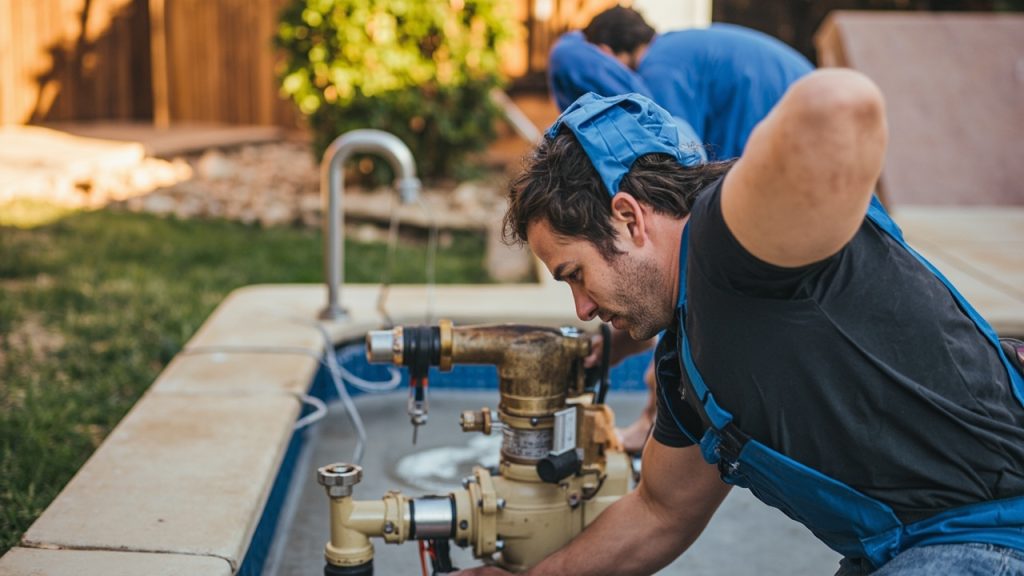
Certified Electrical Hookups for New Pools and Hot Tubs in Rockwall
Adding a pool or hot tub to your Rockwall backyard brings excitement. Before you take that first swim you need a certified electrical hookup that meets strict safety codes. Electrical work near water poses dangers. In Texas you need a licensed electrician who understands the National Electrical Code (NEC) Article 680 requirements and Rockwall’s specific permit process.
Rockwall homeowners face unique challenges. The Blackland Prairie soil expands and contracts. This affects underground conduit stability. Local inspectors require detailed bonding and grounding plans. You cannot cut corners. A mistake could lead to electric shock or code violations.
Pool and Hot Tub Electrical Installation Services in Rockwall
We handle every part of the electrical installation for new pools and hot tubs. This includes pool pumps saltwater chlorinators heaters LED lighting and automation systems. We also install sub-panels and upgrade main service panels when needed.
Our team works with all major pool equipment brands including Pentair Hayward and Jandy. We understand the voltage and amperage requirements for each component. We size circuits correctly to prevent overloads.
We also handle hot tub hookups. This includes 240V GFCI-protected circuits control panel wiring and heater connections. Hot tubs require dedicated circuits because they draw significant power.
NEC Article 680 Compliance and Pool Electrical Safety
NEC Article 680 governs electrical installations for swimming pools spas and hot tubs. It covers bonding grounding GFCI protection and equipment placement. These rules exist to prevent electric shock drowning.
Bonding creates an equipotential grid around the pool. This grid connects all metal parts within five feet of the water. Without bonding voltage differences can cause dangerous currents to flow through the water.
Grounding provides a safe path for fault currents. We install grounding rods and connect them to the pool’s bonding grid. This ensures any stray voltage goes to ground instead of through a swimmer.
GFCI protection is mandatory for all pool circuits. GFCI breakers trip when they detect current leakage. This happens in milliseconds preventing serious injury.
We follow all NEC 680 requirements including minimum separation distances between electrical equipment and the water’s edge. We also ensure proper burial depths for underground wiring.
Rockwall Building Permits and Electrical Inspections
Rockwall requires permits for all new pool electrical work. The process starts with submitting detailed plans showing equipment locations circuit layouts and bonding configurations. The city reviews these plans before issuing permits.
During installation we coordinate with Rockwall building inspectors. They verify that all work meets code requirements. This includes checking bonding continuity GFCI operation and proper equipment grounding.
Inspectors also verify that all equipment has proper UL listing and that installation follows manufacturer specifications. We handle all permit paperwork and scheduling inspections.
Common inspection issues in Rockwall include inadequate bonding improper GFCI installation and insufficient burial depths. We prevent these problems by following best practices from the start.
Our Installation Process From Trenching to Final Inspection
We follow a systematic process for pool electrical installations. This ensures safety and code compliance while minimizing disruption to your property.
- Initial Site Assessment
We evaluate your property’s electrical service capacity and soil conditions. We identify optimal equipment locations and determine if panel upgrades are needed.
- Permit Acquisition
We prepare and submit permit applications to Rockwall building officials. This includes detailed electrical plans and equipment specifications.
- Equipment Mounting and Bonding
We mount pool equipment on proper pads and establish the bonding grid. This includes connecting all metal components within the required area.
- Conduit Trenching and Wiring
We install PVC conduit at proper depths and run wiring to all equipment. We use direct burial cable where appropriate and ensure all connections are weatherproof.
- Panel Installation and Circuit Configuration
We install sub-panels if needed and configure all circuits with proper breakers and GFCI protection.
- Final Testing and Inspection
We test all circuits verify GFCI operation and check bonding continuity. We then coordinate final inspections with Rockwall officials.
Smart Pool Automation and Modern Electrical Features
Modern pools often include automation systems that require specialized electrical knowledge. Pentair ScreenLogic Hayward OmniLogic and Jandy iAquaLink systems need proper network wiring and integration with home automation.
These systems allow you to control pumps heaters lights and water features from your smartphone. They also enable energy-saving schedules and remote monitoring.
Variable speed pumps represent another modern feature. They require specific wiring configurations and control interfaces. These pumps can reduce energy costs by up to 90% compared to single-speed models.
LED pool lighting has also evolved. Modern LED systems offer color-changing capabilities and can be integrated with automation. They require low-voltage transformers and proper GFCI protection.
Equipment-Specific Electrical Requirements
Different pool components have unique electrical needs. Understanding these requirements ensures safe and efficient operation.
Pool pumps typically require 240V circuits. Single-speed pumps need 15-20 amp breakers. Variable speed pumps often need 20-30 amp breakers due to their control boards.
Pool heaters require significant power. Gas heaters need 120V for controls. Heat pumps need 240V and may require 30-50 amp breakers depending on size.
Saltwater chlorinators operate on 120V and typically need 15-20 amp circuits. They generate chlorine from salt dissolved in the pool water.
Pool lighting systems usually operate on 12V low voltage. They require transformers and GFCI-protected circuits. LED systems are more efficient than traditional incandescent lights.
Automation control panels need both low-voltage and line-voltage connections. They serve as the central hub for all pool equipment.
Common Pool Electrical Problems in Rockwall
We frequently encounter specific issues in Rockwall pool electrical systems. Understanding these problems helps prevent them in new installations.
Corrosion poses a major concern due to high humidity and chemical exposure. We use corrosion-resistant materials and proper sealing techniques to prevent connection failures.
Grounding issues often occur when equipment gets added without proper bonding. We verify existing bonding when upgrading or repairing pool electrical systems.
Overloaded circuits happen when homeowners add equipment without considering total electrical load. We perform load calculations to ensure your electrical service can handle new equipment.
Outdated GFCI protection may not meet current code requirements. We upgrade to modern GFCI breakers and receptacles that provide better protection.
Safety Inspection Checklist for Existing Pools
If you have an existing pool certain safety checks are essential. This checklist helps identify potential hazards before they cause problems.
- Verify all pool circuits have working GFCI protection
- Check bonding continuity between all metal components
- Inspect conduit for cracks or damage
- Verify proper grounding of all equipment
- Check for exposed wiring or damaged insulation
- Verify equipment has proper clearance from water
- Inspect weatherproof covers on all outdoor receptacles
- Check for proper labeling of all electrical panels
We offer comprehensive pool electrical safety inspections. These inspections identify code violations and safety hazards. We provide detailed reports with recommended repairs.
Why Choose a Licensed Electrician for Pool Electrical Work
Pool electrical work requires specialized knowledge and licensing. In Texas only licensed electricians can perform this work legally. Here’s why certification matters.
Licensed electricians understand NEC Article 680 requirements. They know the specific bonding and grounding requirements for pools. They also understand local Rockwall codes and permit processes.
Insurance requirements mandate licensed work for pools. If unlicensed work causes damage insurance may deny claims. Licensed electricians carry liability insurance that protects you.
Code compliance is essential for home sales. Unpermitted electrical work can delay or prevent home sales. Licensed work with proper permits ensures smooth transactions.
Safety is the primary reason for licensing. Pool electrical mistakes can cause electric shock drowning. Licensed electricians follow safety protocols that protect your family.
Cost Factors for Pool Electrical Installation
Several factors affect the cost of pool electrical installation. Understanding these helps you budget appropriately for your project.
| Cost Factor | Impact Level | Typical Range |
|---|---|---|
| Service Panel Upgrade | High | $1,500 – $3,000 |
| Sub-panel Installation | Medium | $800 – $1,500 |
| Trenching Distance | Medium | $5 – $12 per foot |
| Equipment Quantity | High | Variable |
| Permit Fees | Low | $100 – $300 |
| Automation Systems | Medium | $500 – $2,000 |
Service panel capacity often determines if upgrades are needed. Older homes may need 200-amp service upgrades to handle pool equipment.
Distance from the main panel affects trenching costs. Longer runs require more conduit and wiring increasing material and labor costs.
The number and type of equipment affect complexity. Multiple pumps heaters and automation systems increase wiring requirements.
Permit fees vary by municipality. Rockwall typically charges based on project scope and valuation.
Maintenance and Troubleshooting for Pool Electrical Systems
Pool electrical systems need regular maintenance to ensure safe operation. This includes checking connections testing GFCI devices and inspecting for corrosion.
GFCI breakers should be tested monthly by pressing the test button. If they don’t trip they need replacement. This simple test could prevent serious injury.
Connections should be checked annually for tightness and corrosion. Loose connections cause heat and can lead to fires. We recommend professional inspection every two years.
Conduit should be inspected for cracks or damage. Rodents sometimes chew through conduit exposing wires. Any damage requires immediate repair.
Pool lights may need bulb replacement every few years. LED lights last longer but still fail eventually. Always turn off power before servicing pool lights.
If you experience tripped breakers flickering lights or equipment that won’t start call a professional. These symptoms indicate potential electrical problems that need immediate attention.
Frequently Asked Questions
Do I need a permit for pool electrical work in Rockwall?
Yes. Rockwall requires permits for all new pool electrical installations. This includes bonding inspections and final electrical inspections. We handle all permit requirements.
How long does pool electrical installation take?
Most installations take 2-3 days for the electrical work. This includes trenching wiring equipment installation and testing. Permit processing adds 1-2 weeks.
Can I use my existing electrical panel for pool equipment?
Maybe. We check your panel’s capacity and available breaker spaces. Many older panels lack capacity for pool equipment. We’ll recommend upgrades if needed.
What is bonding and why is it important?
Bonding connects all metal parts near the pool to prevent voltage differences. Without bonding you could get shocked by touching different metal parts. It’s required by NEC 680.
How much does pool electrical installation cost?
Costs vary based on equipment and complexity. Basic installations start around $2,000. Complex systems with automation can exceed $5,000. We provide detailed quotes.
Do saltwater pools need special electrical considerations?
Yes. Saltwater chlorinators need dedicated 120V circuits. The salt can accelerate corrosion so we use marine-grade materials and proper sealing techniques.
Get Your Rockwall Pool Electrical Installation Started Today
Don’t risk your family’s safety with unlicensed electrical work. We’re licensed electricians with extensive experience in Rockwall pool installations. We understand the codes the permit process and the safety requirements.
Call us today for a free consultation. We’ll evaluate your property discuss your equipment needs and provide a detailed quote. Our work includes all permits inspections and warranty protection.
Protect your investment and your family. Choose certified electrical hookups for your new pool or hot tub in Rockwall. Contact us now to schedule your consultation.
