
Adding Automatic Motion Lighting to Your Walk-In Pantry in Southlake
Walk-in pantries have become a standard feature in Southlake homes offering both convenience and storage space. However one common frustration remains: fumbling for a light switch with your hands full of groceries. Automatic motion lighting solves this problem by turning on instantly when you enter and off when you leave. This upgrade not only adds convenience but also improves safety and energy efficiency in your home.
Why Motion-Activated Pantry Lighting Makes Sense for Southlake Homes
Southlake residents often have spacious pantries filled with everything from bulk groceries to specialty kitchen equipment. In these larger spaces finding the light switch can be inconvenient especially when your hands are occupied. Motion-activated lighting eliminates this hassle by providing instant illumination exactly when you need it. Finding a Reliable Residential Electrician in Plano for Your Kitchen Remodel.
Beyond convenience there are practical benefits. Motion sensors reduce energy waste by ensuring lights turn off automatically when no one is in the pantry. This matters in Texas where electricity costs continue to rise. The sensors also enhance safety by preventing trips and falls in dark pantries especially important for families with children or elderly residents. Texas Department of Licensing and Regulation.
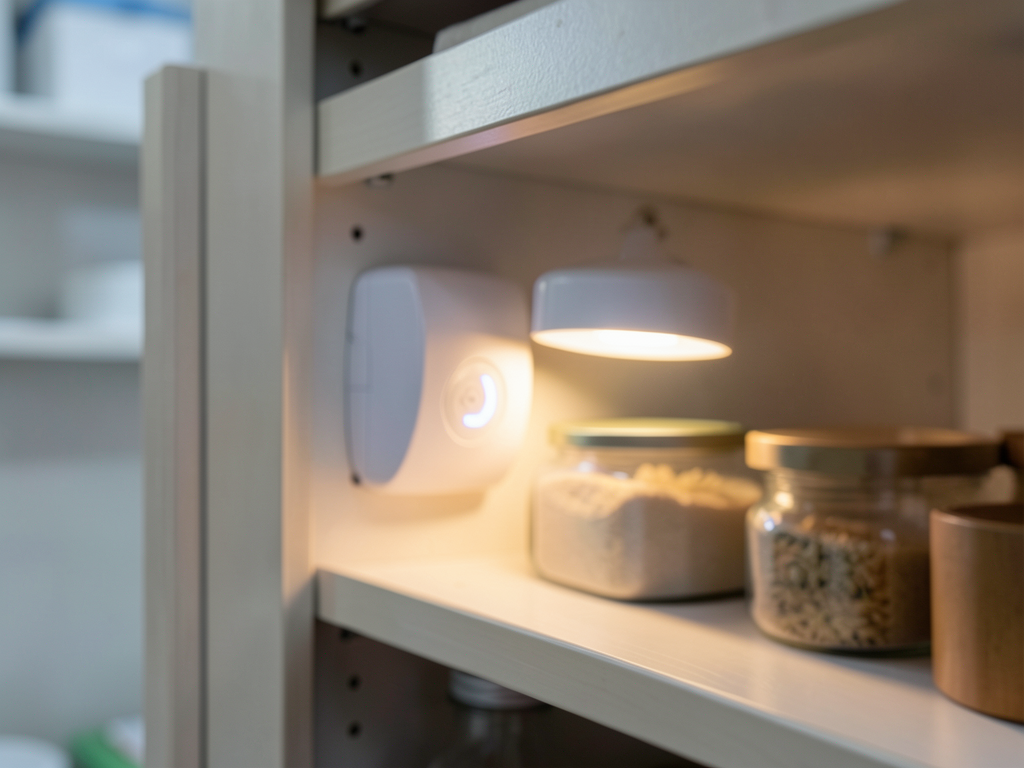
The technology has evolved significantly. Modern motion sensors use passive infrared technology to detect body heat and movement. They respond quickly and accurately distinguishing between human movement and minor temperature changes from appliances or sunlight.
Hardwired vs Battery-Operated Motion Sensors: What Works Best
| Feature | Hardwired Sensors | Battery-Operated Sensors |
|---|---|---|
| Installation | Professional electrical work required | DIY adhesive mounting |
| Brightness | Full LED power available | Limited by battery capacity |
| Maintenance | None after installation | Battery replacement every 6-12 months |
| Reliability | Consistent performance | Diminishing brightness as batteries drain |
| Cost Over Time | Higher upfront, lower lifetime cost | Lower upfront, higher lifetime cost |
Hardwired motion sensors connect directly to your home’s electrical system providing reliable power without batteries. They support brighter LED fixtures and offer features like adjustable delay times and sensitivity settings. The installation requires an electrician but provides years of maintenance-free operation. Who to Call for Emergency Electrical Repair in Uptown Dallas Tonight.
Battery-operated units offer quick DIY installation using adhesive strips or screws. They work well for renters or temporary solutions but require ongoing battery maintenance. The light output is typically dimmer and performance decreases as batteries drain.
LED Color Temperature and Lighting Layout Options
Choosing the right LED color temperature affects how you see items in your pantry. For food storage areas most homeowners prefer 3000K to 4000K range. This neutral white light shows true colors of packaging and produce without the harshness of cool white or the warmth of soft white.
Lighting layout depends on your pantry configuration. Walk-in pantries benefit from multiple light sources to eliminate shadows. Common options include:
- LED strip lighting along shelving edges
- Recessed puck lights in ceiling
- Under-shelf linear fixtures
- Motion-activated ceiling fixtures
LED strip lighting offers flexibility for custom shelving layouts. The strips can be cut to length and mounted under each shelf providing even illumination throughout the space. This works particularly well for pantries with adjustable shelving where you need light at multiple heights.
Local Electrical Codes and Safety Requirements
Installing pantry lighting in Southlake requires compliance with National Electrical Code standards adopted by Texas. For closet and pantry spaces specific requirements include: National Electrical Code (NEC).
Clearance from shelving: Light fixtures must maintain proper spacing from stored items to prevent heat buildup and fire hazards. LED technology helps here since it produces minimal heat compared to incandescent bulbs.
GFCI protection: While pantries typically don’t require GFCI protection like kitchens do the installation must still meet all wiring and grounding requirements. This ensures safety and code compliance.
Permitting: Most electrical modifications in Southlake require permits from Tarrant County. A licensed electrician handles this process ensuring your installation passes inspection. Electrical Contractor.
Fire safety: Enclosed pantry spaces need proper ventilation around light fixtures. LED strips generate minimal heat but proper installation spacing remains important for code compliance.
Professional Installation Process and What to Expect
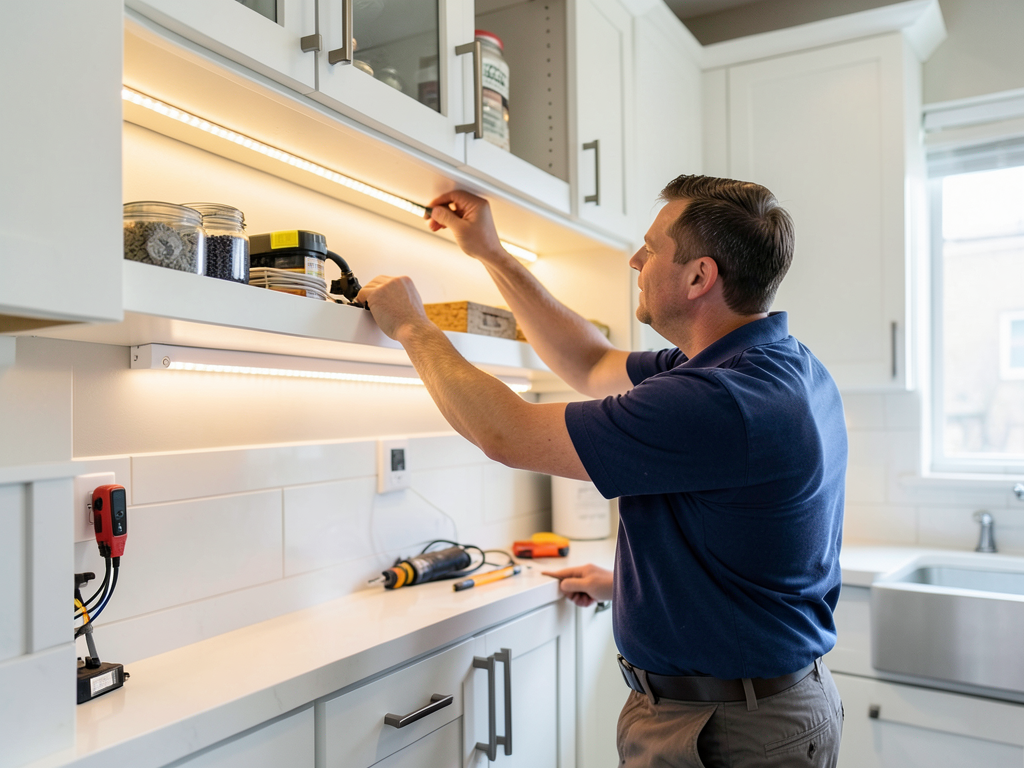
Professional installation ensures your motion lighting works reliably for years. The process typically follows these steps:
- Initial Consultation
The electrician evaluates your pantry layout existing wiring and lighting needs. They discuss sensor placement options and lighting preferences.
- Design Planning
Based on your pantry dimensions and usage patterns they create a lighting layout. This includes sensor locations switch placement and fixture types.
- Permit Acquisition
The contractor obtains necessary permits from Tarrant County ensuring code compliance before starting work.
- Electrical Preparation
Existing wiring is evaluated. New circuits may be added if your pantry lacks proper electrical infrastructure.
- Fixture Installation
LED strips or fixtures are mounted. Motion sensors are positioned for optimal coverage typically near the entrance.
- Testing and Calibration
Sensors are adjusted for sensitivity and timing. The system is tested to ensure reliable operation. Reliable Commercial Electrical Contractors for Businesses in Downtown Dallas.
- Clean-up and Final Inspection
Work areas are cleaned. The installation is inspected for code compliance and proper operation.
The entire process usually takes one day depending on pantry complexity and existing electrical conditions. Professional installation includes all necessary wiring connections and ensures your system meets local safety standards.
Smart Home Integration Possibilities
Modern motion sensors can integrate with popular smart home systems. This allows for advanced features like:
Voice control through Amazon Alexa or Google Home. You can ask your smart speaker to override sensors or check if lights are on. App control lets you adjust settings remotely or receive notifications about pantry activity.
Integration with home automation routines means your pantry lights can work with other systems. For example lights might turn on when your smart lock detects you arriving home or turn off when your security system arms.
Dimming capabilities allow you to adjust brightness for different times of day. Evening lighting might be softer while daytime lighting provides maximum visibility.
Energy Efficiency and Cost Savings
Motion-activated lighting significantly reduces energy consumption. Lights operate only when needed eliminating the waste from lights left on accidentally. In a typical pantry this can save 70-80% on lighting energy use.
LED fixtures maximize these savings. They use 75% less energy than incandescent bulbs and last 25 times longer. Combined with motion sensors the energy savings become substantial over time.
In Texas where electricity rates average 12-15 cents per kilowatt-hour these savings add up. A typical pantry might use 50-100 watts when lit. With motion sensors operating just 2-3 hours daily instead of 24/7 the annual savings can reach $20-30 or more.
The environmental impact matters too. Reduced energy consumption means lower carbon emissions supporting sustainability goals many Southlake residents value.
Common Installation Challenges and Solutions
Professional electricians encounter specific challenges with pantry lighting installations. Understanding these helps set realistic expectations. Electricians Balch Springs.
Limited existing wiring poses the most common challenge. Many pantries lack dedicated circuits or proper electrical boxes. This requires running new wiring which increases installation time and cost.
Concrete or brick walls in newer Southlake homes complicate mounting. Special anchors and tools are needed to securely mount fixtures to these surfaces.
Adjustable shelving creates unique lighting needs. Fixed lighting layouts may not work well when shelf heights change. Flexible LED strip systems solve this by providing even illumination regardless of shelf position.
Humidity from refrigerators or freezers can affect sensor performance. Proper sensor placement away from these heat sources ensures reliable operation.
Cost Factors and Investment Considerations
Several factors influence the total cost of pantry motion lighting installation:
Existing electrical infrastructure plays a major role. Pantries with ready wiring cost less to upgrade than those requiring new circuits or panel modifications.
Fixture quality and features affect pricing. Basic motion sensors cost less than smart-enabled units with app control and dimming. LED strip systems vary in price based on brightness and color temperature options.
Pantry size and complexity impact labor time. Larger pantries or those with unusual layouts require more installation work and materials.
Permit and inspection fees add to total cost but ensure code compliance and safety. These are typically included in professional installation quotes.
While upfront costs vary most homeowners find the convenience and energy savings justify the investment. Professional installation provides peace of mind through proper wiring and code compliance.
Maintenance and Troubleshooting Tips
Motion lighting systems require minimal maintenance but occasional attention ensures optimal performance. Clean sensor lenses periodically with a soft cloth to maintain sensitivity. Check for dust buildup on LED strips which can reduce brightness.
If sensors stop responding check the circuit breaker first. Motion sensors have minimal power draw but occasional tripped breakers can occur. Verify that no objects block sensor views which can prevent activation.
Battery-operated backup sensors may need replacement batteries annually. Keep spare batteries on hand for quick replacement when needed.
For hardwired systems professional service may be needed if lights flicker or sensors behave erratically. These issues often indicate wiring problems rather than sensor failure.
Why Professional Installation Matters in Southlake
Southlake homes often feature high-end finishes and custom cabinetry. Professional installation ensures your motion lighting complements these features without visible wiring or damage to expensive materials.
Local building codes require permits for most electrical work. Professional electricians handle this process ensuring your installation passes inspection and meets all safety standards.
Quality workmanship prevents common DIY problems like exposed wiring inadequate grounding or improper sensor placement. These issues can create safety hazards or cause system failures.
Professional installation includes warranty coverage for both labor and materials. This protection provides peace of mind that your investment is secure.
Frequently Asked Questions
Can I add a motion sensor to my existing pantry light?
Yes most existing light fixtures can be converted to motion-activated operation. This typically involves replacing the light switch with a motion sensor switch or adding a plug-in motion sensor adapter. However hardwired motion sensors provide more reliable performance and allow for brighter LED fixtures.
How much does pantry motion lighting installation cost in Southlake?
Costs vary based on pantry size existing wiring and fixture choices. Basic installations with existing wiring might range from $300-500 while complex installations requiring new circuits could cost $800-1500. Smart-enabled systems with premium fixtures typically cost more.
Do I need a permit for pantry lighting installation?
Most electrical modifications in Southlake require permits from Tarrant County. This includes new wiring circuits and fixture installations. Professional electricians handle permit acquisition and ensure code compliance.
What type of motion sensor works best for pantries?
PIR (Passive Infrared) sensors work best for pantries. They detect body heat and movement accurately without false triggers from temperature changes. These sensors respond quickly and provide reliable operation in enclosed spaces.
How long do the lights stay on after I leave the pantry?
Most motion sensors allow adjustable delay times typically ranging from 30 seconds to 15 minutes. Thirty seconds to one minute works well for pantries allowing time to retrieve items without the lights turning off prematurely.
Ready to Upgrade Your Southlake Pantry Lighting?
Automatic motion lighting transforms your pantry from a dark storage space into a convenient accessible area. The combination of hands-free operation energy savings and modern convenience makes this upgrade worthwhile for any Southlake homeowner.
Professional installation ensures your system works reliably meets all safety codes and integrates seamlessly with your home’s electrical system. Don’t settle for temporary battery solutions when permanent hardwired installation provides years of trouble-free operation.
Call Apex Electricians Dallas today at (972) 823-5855 to schedule your pantry motion lighting consultation. Our licensed electricians serve Southlake and all DFW suburbs with expert installation and guaranteed satisfaction. Transform your pantry lighting experience with professional motion-activated solutions designed for Texas homes.
