
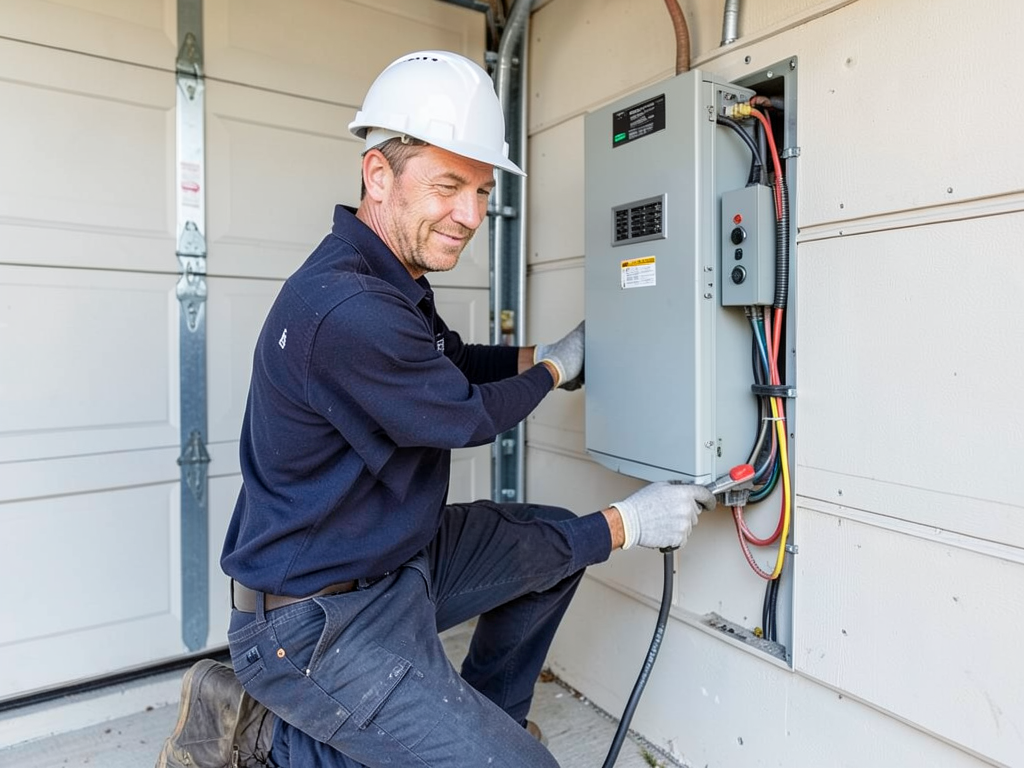
Getting Your Roof and Electrical Panel Ready for Solar Panels in Grand Prairie
Installing solar panels on your Grand Prairie home starts with two critical assessments. Your roof must handle the weight and mounting hardware. Your electrical panel must safely connect to the solar system and meet all local codes. Getting these two components ready before your solar installation prevents delays and ensures your system works efficiently. Who to Call for Emergency Electrical Repair in Uptown Dallas Tonight.
Grand Prairie homeowners face unique challenges. The intense Texas sun means your roof needs to withstand high temperatures and UV exposure. Your electrical system must handle both your current power needs and the additional load from solar panels. Understanding these requirements helps you prepare properly for a successful solar installation. Electrical Contractor.
Why Your Roof Matters for Solar Installation
Your roof serves as the foundation for your solar panels. The structure must support the weight of panels, mounting hardware, and potential snow loads. Most solar panels weigh about 40 pounds each. A typical residential system includes 20-30 panels. That adds up to 800-1200 pounds on your roof.
Roof age plays a crucial role. If your roof needs replacement within the next 5-10 years, replace it before installing solar panels. Removing and reinstalling solar panels costs $1,000-$2,000. That expense can be avoided by addressing roof issues first.
Roof orientation affects solar production. South-facing roofs capture the most sunlight in Texas. West-facing roofs work well too, producing power during peak afternoon hours when electricity rates are highest. North-facing roofs produce significantly less power and may not be worth the investment.
Roof condition assessment includes checking for damaged shingles, leaks, and structural integrity. A professional roofing contractor can identify issues that might cause problems after solar installation. Look for signs of water damage, sagging areas, or missing shingles.
Understanding Your Electrical Panel Requirements
Your electrical panel serves as the connection point between your solar system and your home’s electrical network. Most Grand Prairie homes built before 2010 have 100-amp service panels. Modern solar installations typically require 200-amp service to handle the additional load safely.
The National Electrical Code (NEC) 705.12 sets specific requirements for solar interconnections. The 120% rule is the most critical standard. It states that the sum of your main breaker rating and your solar breaker rating cannot exceed 120% of your busbar rating. This prevents overloading your electrical system. National Electrical Code (NEC) 705.12.
For example, a 200-amp main breaker with a 200-amp busbar allows up to 240 amps of total load. That means you could install a 40-amp solar breaker (200 + 40 = 240). If you want a larger solar system, you need a panel upgrade.
Busbar rating determines your panel’s capacity. Many older panels have 125-amp or 150-amp busbars even with 200-amp main breakers. This limitation requires a full panel upgrade before solar installation can proceed.
Common Panel Upgrade Scenarios
Standard upgrade involves replacing your existing panel with a new 200-amp main breaker panel. This typically costs $1,500-$3,000 including permits and labor. The upgrade provides adequate capacity for most residential solar systems.
Solar-ready upgrade includes additional features for future expansion. These panels have extra breaker spaces and higher busbar ratings. They cost $200-$500 more than standard upgrades but provide flexibility for adding battery storage or expanding your solar array later.
Main lug only (MLO) panels offer another option. These panels lack main breakers and connect downstream from your existing main panel. MLO panels work well when you want to keep your original panel for critical loads like medical equipment or security systems.
Subpanel installation separates solar circuits from your main electrical system. This approach works when your main panel is full but still functional. A subpanel costs $800-$1,500 and provides dedicated space for solar breakers and future additions.
Dallas Building Codes and Oncor Requirements
Dallas building codes follow the National Electrical Code with local amendments. The City of Dallas Development Services Department requires permits for all electrical panel upgrades and solar installations. Permit fees range from $100-$500 depending on project scope. Dallas Development Services Department.
Oncor Electric Delivery manages the electric grid in Grand Prairie. They require a completed application and signed agreement before approving any solar interconnection. The process typically takes 2-4 weeks after submitting your application. Oncor interconnection guidelines.
Oncor’s interconnection guidelines specify technical requirements for solar installations. They require proper grounding, surge protection, and anti-islanding protection. Anti-islanding prevents your solar system from feeding power back to the grid during outages, protecting utility workers.
Inspection requirements include both rough-in and final inspections. The rough-in inspection occurs after panel installation but before solar panel mounting. The final inspection happens after system completion and testing. Both inspections must pass before Oncor grants permission to operate.
Cost Factors and Federal Tax Credits
Electrical panel upgrade costs vary based on several factors. Panel location affects labor costs. Panels in garages or basements cost less to upgrade than those in attics or exterior locations. Accessibility and existing wiring conditions also impact pricing.
Permit costs range from $100-$500 depending on your city and project scope. Dallas charges based on the value of electrical work. Grand Prairie has flat permit fees for residential electrical work.
The Federal Investment Tax Credit (ITC) covers 30% of qualified solar installation costs through 2032. This credit applies to both solar panels and associated electrical work. Panel upgrades qualify when performed as part of a solar installation project.
For example, a $3,000 panel upgrade with a $15,000 solar installation qualifies for the 30% credit on the entire $18,000 project cost. That’s $5,400 in tax credits, making the net cost $12,600.
Local incentives vary by utility provider. Some Texas utilities offer rebates for energy-efficient upgrades. Check with your electric provider about available programs before starting your project.
Roof Assessment Checklist
Before proceeding with solar installation, complete this roof assessment checklist:
- Roof age and remaining lifespan
- Structural integrity and load-bearing capacity
- Shingle condition and replacement needs
- Roof orientation and sun exposure
- Presence of chimneys, vents, or other obstructions
- Local building code requirements for solar mounting
- Wind and hail resistance in your area
Most solar installers provide free roof assessments as part of their evaluation process. They can identify potential issues and recommend solutions before installation begins.
Electrical Panel Assessment Checklist
Your electrical panel needs this assessment before solar installation:
- Main breaker rating (typically 100 or 200 amps)
- Busbar rating (125, 150, or 200 amps)
- Number of available breaker spaces
- Panel manufacturer and age
- Existing load calculations
- Grounding system condition
- Compliance with current NEC codes
A qualified electrician can perform load calculations to determine if your existing panel can handle solar addition. They’ll examine your current electrical usage and project future needs.
Timeline for Getting Solar Ready
The preparation process typically takes 4-8 weeks depending on permit processing and contractor availability. Here’s a typical timeline:
| Task | Duration | Notes |
|---|---|---|
| Initial assessment | 1-2 days | Roof and panel evaluation |
| Permit application | 1-2 days | Submit to city |
| Permit processing | 1-3 weeks | City review time |
| Panel upgrade | 1-2 days | Electrical work |
| Inspection | 1-2 days | City inspection |
| Oncor application | 1-2 days | Submit to utility |
| Oncor approval | 2-4 weeks | Utility processing |
Starting early prevents delays in your solar installation timeline. Many homeowners begin the assessment process 3-6 months before they want their solar system operational.
Choosing the Right Contractor
Selecting qualified contractors for both roof and electrical work ensures your solar installation succeeds. Look for these qualifications:
For electrical work:
- Texas state electrical license
- Bonding and insurance
- Experience with solar interconnections
- Knowledge of local building codes
- References from previous solar projects
For roofing work:
- Texas roofing license
- Bonding and insurance
- Experience with solar mounting systems
- Knowledge of local weather conditions
- References from previous solar projects
Many solar companies work with preferred contractors for both electrical and roofing work. This coordination can simplify the process and ensure compatibility between all components.
Frequently Asked Questions
Do I need to replace my roof before installing solar panels?
Not always. If your roof is in good condition and has 10+ years of life remaining, you can install solar panels directly. However, if your roof needs replacement within 5 years, replace it first to avoid removal costs later.
How much does an electrical panel upgrade cost in Grand Prairie?
Panel upgrades typically cost $1,500-$3,000 including permits and labor. The exact cost depends on your panel location, existing wiring conditions, and whether you need a standard or solar-ready upgrade.
How long does the solar permitting process take?
City permit processing takes 1-3 weeks. Oncor interconnection approval takes an additional 2-4 weeks. The total process usually takes 4-8 weeks from application to approval.
Can I install solar panels with a 100-amp electrical panel?
It depends on your busbar rating and available breaker spaces. Some 100-amp panels can accommodate small solar systems. Most residential installations require 200-amp service for optimal performance and future expansion.
What happens if my roof can’t support solar panels?
If your roof structure can’t support the weight, you’ll need structural reinforcement before installation. This might involve adding support beams or replacing damaged rafters. Your solar installer can assess structural requirements during the initial evaluation.
Do I need a new electrical panel for every solar installation?
No, but most homes need upgrades. About 70% of homes built before 2010 require panel upgrades for solar installation. Newer homes with 200-amp service often have adequate capacity already.
Getting Started with Your Solar Preparation
The first step is scheduling assessments for both your roof and electrical system. A qualified solar installer can coordinate these evaluations and provide recommendations for any necessary upgrades.
Start by gathering information about your current electrical usage and roof condition. This helps contractors provide accurate estimates and recommendations. Consider your long-term energy goals when planning upgrades.
Remember that proper preparation prevents costly delays and ensures your solar system performs optimally for years to come. Investing in quality roof and electrical work now saves money and headaches later.
Ready to make your Grand Prairie home solar-ready? Contact our licensed electricians today for a comprehensive assessment of your roof and electrical system. We’ll help you understand exactly what upgrades you need and provide clear pricing for getting your home ready for solar installation. Electricians Balch Springs.
Call us at (972) 823-5855 to schedule your assessment. Our experienced team serves Grand Prairie and surrounding Dallas suburbs with professional electrical services that prepare your home for a successful solar installation.
Don’t wait until solar installation day to discover problems. Get your roof and electrical panel ready now and enjoy a smooth, efficient solar installation process.
