
Building a home theater in Trophy Club requires more than just picking out the right speakers and projector. The electrical foundation determines whether your system performs flawlessly or suffers from constant interruptions. In Dallas’s hot climate and storm-prone weather, proper electrical planning becomes even more critical for protecting your investment. Who to Call for Emergency Electrical Repair in Uptown Dallas Tonight.
Why Trophy Club Homes Need Special Electrical Planning
Trophy Club sits in North Texas where summer temperatures regularly exceed 100 degrees. This heat drives up your home’s electrical demand significantly. When you add a home theater with high-powered amplifiers, subwoofers, and projection equipment, your existing electrical system might struggle to keep up. Electrical Contractor.
Many Trophy Club homes were built in the 1980s and 1990s when electrical needs were much simpler. These older homes often have 100-amp service panels that weren’t designed for today’s technology loads. Modern home theaters can draw 15-20 amps just for the AV rack alone, not counting lighting and climate control.. Read more about Keeping Your Pets Safe from Electrical Hazards in Your Dallas Home.
The soil in Trophy Club contains expansive clay that shifts with moisture changes. This movement can stress underground electrical conduits and affect grounding systems over time. A professional assessment of your home’s electrical infrastructure becomes essential before planning any theater installation.
Electrical Load Calculations for Home Theaters
Before running a single wire, you need to calculate your theater’s electrical demand. Most home theater equipment falls into three categories: display devices, audio components, and auxiliary systems.
Display devices like 4K projectors or large-screen TVs typically need dedicated 15-amp circuits. Audio receivers and surround sound processors often require 20-amp circuits because they draw significant power during dynamic scenes. Subwoofers, especially multiple units, can need their own 15-amp circuits to prevent interference with other equipment.. Read more about Avoiding Overloaded Circuits in Your West Village Home Office.
Here’s a typical load breakdown for a mid-range home theater:
| Component | Amps Required | Recommended Circuit |
|---|---|---|
| Projector or TV | 3-5 | 15-amp dedicated |
| AV Receiver | 8-12 | 20-amp dedicated |
| Subwoofer | 5-8 | 15-amp dedicated |
| Streaming Devices | 1-2 | Share with lighting |
| Lighting Control | 2-3 | 15-amp lighting circuit |
A complete home theater might need three to four dedicated circuits just for the core AV equipment. Adding smart lighting, motorized screens, and climate control can push this to six or seven dedicated circuits.. Read more about Layered Lighting Ideas to Transform Your Preston Hollow Master Suite into a Retreat.
Dallas Electrical Code Requirements
The City of Dallas enforces the National Electrical Code with local amendments specific to North Texas conditions. For home theaters, several code requirements affect your installation. National Association of Certified Home Inspectors.
All in-wall wiring must be fire-rated. CL2 or CL3 rated cables are mandatory for speaker wires and HDMI cables that run through walls. These ratings ensure the cables won’t spread fire if they overheat. Standard speaker wire from electronics stores cannot be used inside walls.
GFCI protection is required for all outlets in finished spaces, including home theaters. While GFCI outlets can cause nuisance trips with some audio equipment, the code mandates their use for safety. AFCI protection may also be required for new circuits in living areas.
Permit requirements in Dallas County typically apply when you’re adding new circuits or upgrading your electrical panel. A home theater installation usually requires an electrical permit, especially if you’re running new wiring through finished walls or adding dedicated circuits.
The City of Dallas Development Services handles electrical permits and inspections. Professional electricians pull these permits as part of their service, ensuring your installation meets all local requirements.
Surge Protection for Home Theater Equipment
North Texas experiences frequent thunderstorms, especially during spring and early summer. Lightning strikes and power surges pose a serious threat to expensive home theater equipment. A whole-home surge protector installed at your main electrical panel provides the first line of defense.. Read more about Why Point-of-Use Surge Protectors Aren’t Enough for Your Expensive Plano Kitchen Appliances.
For comprehensive protection, you need multiple layers. The whole-home protector handles large surges from lightning or utility grid issues. Point-of-use surge protectors on each dedicated circuit protect against smaller, more frequent surges. High-quality surge protectors for home theaters include EMI/RFI filtering to reduce electrical noise that can degrade audio quality.
Look for surge protectors with these specifications for home theater use:
- Response time under 1 nanosecond
- Clamping voltage of 330V or less
- Energy absorption rating of 1000+ joules
- EMI/RFI noise filtering
- Battery backup for critical components
Professional installation of surge protection systems ensures proper grounding and coordination with your home’s electrical system. Improper grounding can render surge protectors ineffective.
Conduit and Cable Management
Future-proofing your home theater installation saves significant money and hassle later. Running empty conduit during construction or remodeling allows easy upgrades as technology changes. At minimum, run 1-inch conduit for main AV cables and 3/4-inch conduit for speaker wires.
Label all cables clearly at both ends. Use professional-grade labeling that won’t fade over time. Include cable type, destination, and installation date. This documentation helps future technicians understand your system without guesswork.
Keep power and low-voltage cables separated by at least 12 inches when running parallel. Cross power cables at 90-degree angles when necessary. This separation reduces electromagnetic interference that can cause audio hum or video artifacts.
Heat management becomes critical in enclosed theater spaces. Electronic equipment generates significant heat that can affect performance and lifespan. Plan for adequate ventilation or cooling in equipment racks and enclosed spaces.
Smart Home Integration Considerations
Modern home theaters often integrate with whole-home automation systems. This integration requires additional electrical planning for control systems, lighting, and motorized components.
Lighting control for home theaters needs careful electrical design. Dimmable LED fixtures require compatible dimmers that won’t cause flickering or noise in audio systems. Motorized shades or screens need their own dedicated circuits and often require special low-voltage controls.
Network infrastructure supports streaming, control systems, and smart home integration. Cat6a cabling provides the bandwidth needed for 4K/8K streaming and future network demands. Run multiple network drops to your theater location for redundancy.
Control systems like Control4, Crestron, or Savant require both power and low-voltage wiring. These systems often need their own dedicated circuits and specialized electrical planning for rack-mounted processors and control interfaces.
Professional vs. DIY Installation
Many homeowners underestimate the complexity of home theater electrical work. While hanging speakers and connecting HDMI cables seems straightforward, the electrical infrastructure requires professional expertise.
Professional electricians understand load calculations, code requirements, and safety standards that DIYers often miss. They know how to properly ground equipment to prevent electrical shock and equipment damage. They also understand how to coordinate with other trades like HVAC and low-voltage installers. Electricians Balch Springs.
DIY electrical work carries significant risks. Improper wiring can cause fires, void insurance policies, and create safety hazards. In Texas, unlicensed electrical work is illegal and can result in fines or required rework by licensed professionals.
Professional installation includes permits, inspections, and warranties that protect your investment. When problems arise, you have recourse through the contractor’s insurance and bonding.
Common Electrical Issues in Trophy Club Theaters
Based on local experience, several electrical issues commonly affect Trophy Club home theaters. Understanding these helps you plan properly and avoid costly mistakes.
Voltage fluctuations are common in older Trophy Club neighborhoods. These fluctuations can cause audio distortion, video artifacts, and equipment damage. A whole-home voltage stabilizer might be necessary for sensitive equipment.
Ground loops create a low-frequency hum in audio systems. This occurs when different components have slightly different ground potentials. Professional grounding techniques and isolation transformers can eliminate this problem.
Insufficient outlet placement forces the use of power strips that create clutter and potential safety hazards. Professional planning ensures outlets are placed exactly where equipment needs them, reducing cable runs and improving aesthetics.
Overloaded circuits cause breakers to trip during movie marathons or gaming sessions. Proper load calculations and dedicated circuits prevent these interruptions.
Planning Your Home Theater Electrical Layout
Start with a detailed equipment list and floor plan. Mark locations for each component, including future expansion possibilities. This planning phase determines your electrical requirements.
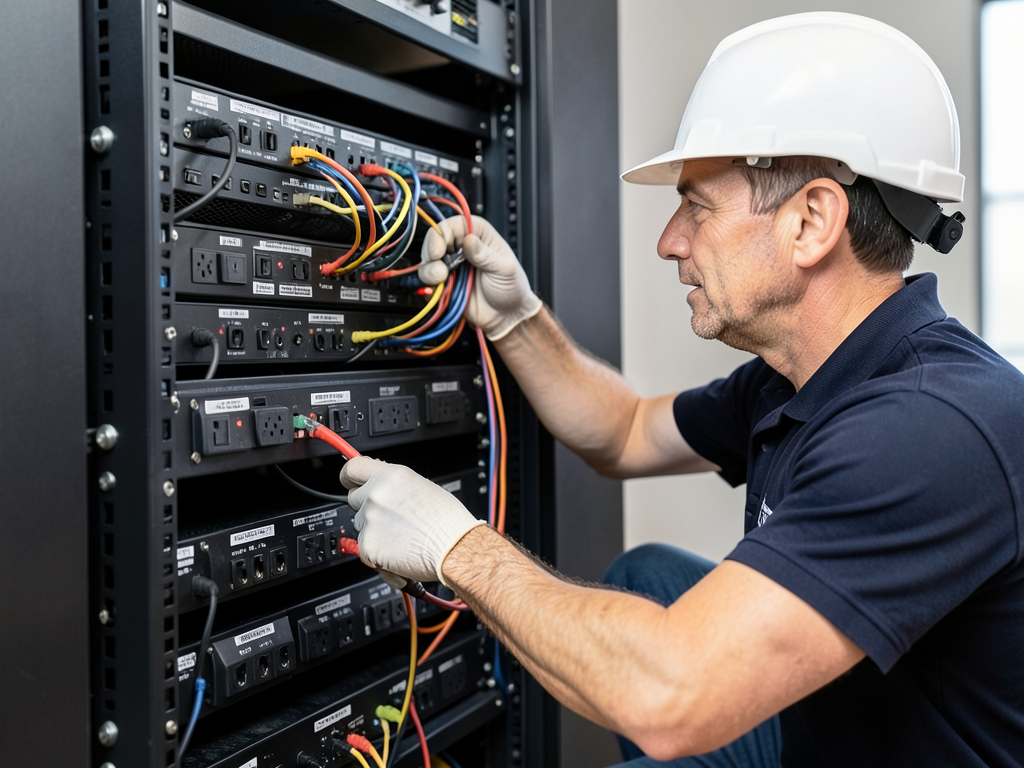
Equipment rack placement affects your electrical design. The rack needs adequate ventilation, easy access for maintenance, and proximity to the main power source. Plan for 24-36 inches of clearance in front and behind the rack for cable management.
Speaker wire runs should be planned during construction when possible. Fishing wires through finished walls is difficult and expensive. Pre-wiring with conduit allows easy upgrades and repairs.. Read more about Why You Should Consider Hardwired Motorized Blinds for Your Heath Lakefront Home.
Consider acoustic treatments that might affect electrical planning. Bass traps, diffusers, and absorbers can interfere with speaker placement and outlet access. Plan electrical locations before finalizing acoustic treatments.
Energy Efficiency and Theater Design
Home theaters can be energy hogs if not designed properly. LED projectors use significantly less power than traditional lamp projectors. Class D amplifiers offer high efficiency compared to older Class AB designs.
Smart power management systems can automatically power down equipment when not in use. These systems prevent phantom loads that waste electricity 24/7. Some systems can even monitor power quality and alert you to potential issues.
Proper insulation and climate control reduce the energy needed to maintain comfortable temperatures in enclosed theater spaces. This is especially important in Trophy Club’s hot climate where cooling costs can be substantial.
Maintenance and Troubleshooting
Even professionally installed systems need occasional maintenance. Electrical connections can loosen over time, especially in environments with temperature fluctuations. Annual electrical inspections can catch issues before they cause problems.
Keep a log of all electrical work, including circuit breaker assignments and cable labeling. This documentation helps future technicians understand your system and speeds up troubleshooting.
Test your surge protection regularly. Many whole-home protectors have indicator lights that show their status. Replace point-of-use surge protectors every 2-3 years or after a major surge event.
Monitor for signs of electrical problems like flickering lights, buzzing sounds from outlets, or warm electrical panels. These symptoms indicate issues that need immediate professional attention.
Cost Factors for Professional Installation
Professional home theater electrical installation costs vary based on several factors. The size of your theater, the complexity of your equipment, and the condition of your existing electrical system all affect the final price.
New construction is generally less expensive than retrofitting existing spaces. Running wires through open walls costs significantly less than fishing them through finished construction. The need for panel upgrades or service increases can add substantial costs.
Quality materials cost more upfront but provide better performance and reliability. Professional-grade wiring, outlets, and surge protectors have higher specifications than consumer-grade alternatives.
Permits and inspections add to the cost but provide essential protection. Skipping these steps to save money can result in code violations, insurance issues, and safety hazards.
Frequently Asked Questions
How many dedicated circuits does a home theater need?
A typical home theater needs three to six dedicated circuits depending on the equipment. This includes separate circuits for the display, audio components, subwoofers, lighting control, and auxiliary devices.
Can I use regular speaker wire in my walls?
No. Regular speaker wire lacks the fire-resistant properties required by electrical code for in-wall use. You must use CL2 or CL3 rated cables that meet fire safety standards.
Do I need a permit for home theater electrical work in Dallas?
Yes. Most home theater installations require electrical permits, especially when adding new circuits or upgrading service. Professional electricians handle permit requirements as part of their service. Electricians Duncanville.
How do I prevent electrical noise in my audio system?
Prevent electrical noise through proper grounding, using balanced connections where possible, separating power and signal cables, and installing EMI/RFI filters on dedicated circuits.
What’s the best surge protection for home theater equipment?
The best protection combines whole-home surge protection at your main panel with point-of-use protectors on each dedicated circuit. Look for units with fast response times and high joule ratings.
Ready to Build Your Trophy Club Home Theater?
Your home theater deserves professional electrical planning and installation. The right electrical foundation ensures reliable performance, protects your investment, and provides years of trouble-free entertainment. Finding a Reliable Residential Electrician in Plano for Your Kitchen Remodel.
Don’t let electrical problems ruin your movie nights or gaming sessions. Professional electricians understand the unique challenges of Trophy Club homes and Dallas electrical codes. They can design a system that meets your needs while ensuring safety and code compliance.
Call Apex Electricians Dallas today at (972) 823-5855 to schedule your home theater electrical consultation. We’ll assess your current electrical system, design the perfect power distribution for your equipment, and handle all permits and inspections. Your entertainment deserves nothing less than professional electrical expertise. For more information, visit Eaton Surge Protection.
You may also find this helpful. Why Fiber Internet in Downtown Dallas Lofts Still Works Better with Hardwired Ethernet.
You may also find this helpful. Mounting a TV on Your Highland Park Patio (Everything You Need to Know About Outdoor Power).
You may also find this helpful. High Ceiling Fan Options That Actually Move Air in Large McKinney Living Rooms.
