
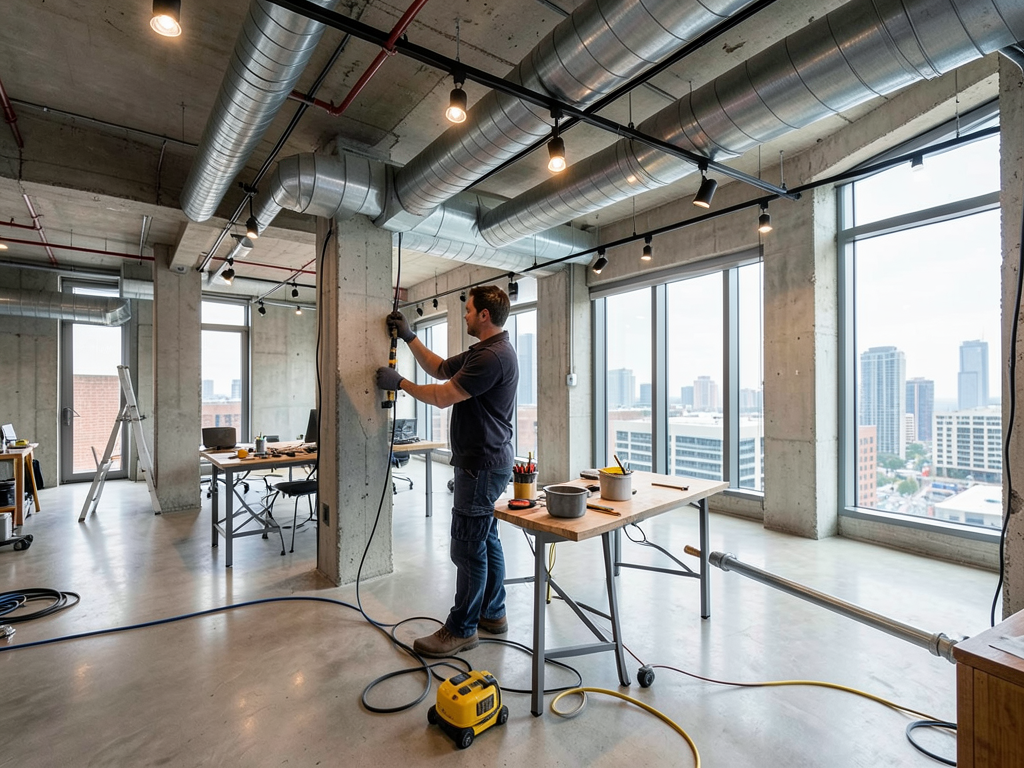
Specialized Gallery Lighting Installation for Your Design District Loft
Your Design District loft deserves lighting that does more than illuminate. It needs precision-engineered systems that protect and enhance your fine art collection. The wrong light can fade canvases and distort colors. The right light creates a gallery-quality display that makes your artwork the focal point of your home.
Art lighting installation requires understanding both electrical engineering and art conservation. You need someone who knows the difference between a 90 CRI LED and a standard bulb. Someone who understands how heat and UV radiation damage valuable pieces over time. This is specialized work that demands licensed expertise. LED lighting technology.
Custom Lighting Solutions for Fine Art and Galleries
Every art collection has unique lighting requirements. Oil paintings need different treatment than photographs or sculptures. The lighting system must balance aesthetic goals with preservation needs.
Picture lights mount directly above frames for intimate accent lighting. Track lighting systems offer flexibility to adjust focus as your collection changes. Recessed framing projectors create dramatic effects by precisely illuminating artwork while leaving walls dark.
LED technology dominates modern art lighting. LEDs produce minimal heat and zero UV radiation. They maintain consistent color temperature over thousands of hours. Modern LEDs achieve 95+ CRI ratings, meaning colors appear exactly as the artist intended.
Why Precision Matters: Protecting Your Art Investment
Art represents both emotional and financial investment. A single hour of improper lighting can begin irreversible damage. UV radiation breaks down pigments. Heat causes canvas expansion and contraction. Poor color rendering makes artwork look flat and lifeless.
Professional art lighting installation addresses these risks through several mechanisms. UV-filtering lenses block harmful radiation. Heat-dissipating fixtures prevent temperature fluctuations. High-CRI bulbs ensure accurate color representation.
The Design District presents unique challenges. Loft spaces often feature high ceilings and open floor plans. Natural light floods through large windows during the day. Your lighting system must work with these architectural features rather than against them. Safe and Affordable Ceiling Fan Installation Services in Lake Highlands.
Our Specialized Art Lighting Process
Professional art lighting installation follows a systematic approach. We begin with a consultation to understand your collection and display goals. We assess your space’s natural light patterns and architectural features.
Next we create a lighting design that balances aesthetics with conservation. This includes selecting appropriate fixtures, determining optimal placement, and calculating electrical requirements. We consider factors like beam spread, color temperature, and dimming capabilities. Who to Call for Emergency Electrical Repair in Uptown Dallas Tonight.
Installation involves precise electrical work. We run dedicated circuits for art lighting to prevent interference with other systems. We install proper junction boxes and ensure all wiring meets current electrical codes. For historic buildings in the Design District, we work carefully to preserve architectural integrity.
Finally we calibrate the system. We adjust beam angles, test color rendering, and verify that all fixtures operate correctly. We demonstrate how to use any control systems and provide maintenance guidelines.
Serving the Dallas Arts District, Highland Park, and Beyond
Design District lofts feature industrial-chic architecture with exposed ductwork and concrete floors. These spaces require lighting that complements rather than competes with architectural elements. We install discreet track systems and recessed fixtures that maintain the loft aesthetic.
Highland Park homes often showcase traditional art collections in formal living spaces. These require picture lights that provide warm, inviting illumination while protecting valuable pieces. We understand the specific electrical requirements for older Highland Park homes.
University Park residences frequently display contemporary art in modern settings. These spaces benefit from clean-lined track systems and adjustable recessed lighting. We work with the area’s distinctive architectural styles.
Preston Hollow estates often feature extensive art collections requiring comprehensive lighting solutions. We design systems that illuminate multiple rooms while maintaining consistent quality throughout the home.
Types of Lighting We Install: Picture Lights, Track, and Recessed Projectors
Picture lights mount directly above artwork frames. They provide focused illumination without requiring ceiling access. Modern LED picture lights run cool and offer excellent color rendering. They work well for smaller pieces and traditional settings.
Track lighting systems offer maximum flexibility. You can adjust fixture positions along the track as your collection changes. Modern low-voltage tracks are slim and unobtrusive. They excel in contemporary spaces and galleries.
Recessed framing projectors create dramatic effects. These fixtures use precision optics to illuminate artwork while keeping surrounding areas dark. They’re ideal for statement pieces and create museum-quality displays.
Each type has specific electrical requirements. Picture lights need nearby power sources. Track systems require proper voltage and load calculations. Recessed projectors need adequate ceiling depth for installation.
Understanding CRI and Color Temperature for Your Collection
CRI measures how accurately a light source renders colors compared to natural daylight. A CRI of 100 represents perfect color rendering. For art lighting, we recommend CRI ratings of 90 or higher. This ensures your artwork appears as the artist intended.
Color temperature affects the mood and appearance of your space. Measured in Kelvins, lower temperatures (2700K-3000K) produce warm, inviting light. Higher temperatures (4000K-5000K) create cooler, more clinical illumination.
Most art collections benefit from warm to neutral color temperatures. These enhance warm colors in paintings while maintaining natural skin tones in photography. We help you select the optimal temperature for your specific collection.
Modern LED systems allow precise color temperature control. Some systems offer adjustable color temperatures to accommodate different art types or create different moods throughout the day.
Technical Specifications for Art Lighting Installation
Professional art lighting requires specific technical considerations. Beam spread determines how much area a fixture illuminates. Narrow beams (10-25 degrees) create dramatic spotlighting. Wide beams (35-60 degrees) provide even illumination across larger pieces.
Dimming capabilities enhance both functionality and energy efficiency. Modern LED systems integrate with smart home controls. You can adjust lighting levels for different times of day or viewing conditions.
Heat management prevents damage to artwork. Even LED fixtures produce some heat. We design systems with proper ventilation and spacing to ensure artwork remains at safe temperatures.
Electrical load calculations ensure system reliability. We determine the total wattage requirements and verify your electrical panel can handle the additional load. For extensive installations, we may recommend panel upgrades.
Common Art Lighting Challenges and Solutions
High ceilings create installation challenges. Standard ladders may not reach mounting points. We use specialized equipment to access elevated areas safely. For extremely high ceilings, we may recommend remote-controlled systems.
Concrete ceilings in loft spaces limit traditional wiring methods. We use surface-mounted raceways or specialized concrete anchors. These solutions maintain the industrial aesthetic while providing proper electrical connections.
Natural light interference affects artificial lighting effectiveness. We design systems that compensate for varying natural light levels throughout the day. This may include photosensor controls that automatically adjust artificial lighting.
Artwork size variations require flexible solutions. We design modular systems that accommodate different piece dimensions. Track systems excel at this flexibility, allowing you to reposition fixtures as needed.
Smart Home Integration for Art Lighting
Modern art lighting integrates with smart home systems. You can control lighting through smartphone apps, voice commands, or automated schedules. This adds convenience while ensuring your artwork always receives optimal illumination.
Lutron and Control4 systems offer sophisticated art lighting control. You can create lighting scenes for different occasions. Morning scenes might provide bright, even illumination for viewing. Evening scenes could create more dramatic effects.
Motion sensors can activate lighting when you enter a room. This ensures your artwork is always properly illuminated when you want to view it. Timers can automatically turn off lights when rooms are unoccupied, saving energy.
Integration with other smart home features enhances functionality. Your lighting can respond to natural light levels, time of day, or even your location. When you’re away, lighting can simulate occupancy for security.
Maintenance and Longevity
Professional art lighting systems require minimal maintenance. LED fixtures last 25,000 to 50,000 hours. This means you might only need to replace bulbs every 10-15 years under normal use.
Regular cleaning ensures optimal performance. Dust accumulation on fixtures can reduce light output by 30% or more. We recommend annual cleaning of lenses and reflectors. This simple maintenance keeps your lighting system performing at peak efficiency.
Electrical connections should be checked periodically. While LED systems are reliable, connections can loosen over time. We offer maintenance services to inspect and tighten connections, ensuring long-term reliability. Finding a Reliable Residential Electrician in Plano for Your Kitchen Remodel.
Technology advances may prompt upgrades. As LED technology improves, newer fixtures offer better performance. We can evaluate your existing system and recommend upgrades when beneficial.
Cost Factors for Art Lighting Installation
Art lighting installation costs vary based on several factors. Fixture quality significantly impacts price. Professional-grade fixtures with high CRI ratings and excellent optics cost more than consumer-grade alternatives.
Installation complexity affects labor costs. Simple picture light installations require minimal electrical work. Comprehensive track systems or recessed projector installations demand more extensive electrical modifications.
Control system integration adds cost but provides enhanced functionality. Basic on-off switches cost little. Smart home integration with dimming and scene control requires additional equipment and programming.
Electrical infrastructure requirements impact total cost. Older buildings may need electrical panel upgrades or new circuit runs. These infrastructure improvements ensure system reliability and code compliance.
Safety and Code Compliance
Professional art lighting installation must meet all electrical codes. This includes proper circuit loading, correct wire sizing, and appropriate junction box installation. Code compliance ensures both safety and system reliability.
Permits may be required for extensive installations. We handle all necessary permitting and inspections. This ensures your installation meets local requirements and passes inspection.
Insurance considerations matter for valuable art collections. Professional installation provides documentation of proper electrical work. This documentation can be important for insurance claims related to electrical issues.
Fire safety is paramount. We design systems with proper heat management and use fixtures rated for the intended application. This prevents overheating and ensures safe operation.
Gallery Lighting vs. Residential Art Lighting
Gallery lighting and residential art lighting share similar goals but differ in execution. Galleries require uniform lighting across multiple pieces. They need flexibility to accommodate changing exhibitions. Residential lighting focuses on highlighting specific pieces in consistent home environments.
Commercial galleries often use higher-output fixtures. They need to illuminate larger areas with greater intensity. Residential installations typically use lower-output fixtures that create more intimate viewing experiences. Reliable Commercial Electrical Contractors for Businesses in Downtown Dallas.
Control requirements differ significantly. Galleries need sophisticated control systems for different exhibition scenarios. Residential systems focus on convenience and integration with home automation.
Installation methods also vary. Galleries often use modular track systems for maximum flexibility. Residential installations may use more permanent solutions that complement home decor.
Choosing the Right Lighting Partner
Art lighting installation requires specialized expertise. You need a licensed electrician with experience in art lighting systems. This ensures proper electrical work and understanding of art conservation principles.
Look for professionals who understand both electrical engineering and art presentation. They should be familiar with different art mediums and their specific lighting requirements. They should also understand how lighting affects art preservation.
Ask about experience with similar projects. Request references from clients with art collections. Review portfolios showing different types of art lighting installations.
Verify licensing and insurance. Art lighting often involves working in finished spaces. You need protection against potential damage during installation.
Consider communication and design capabilities. The right partner will help you understand options and make informed decisions. They should be able to create lighting designs that enhance your space while protecting your collection.
Frequently Asked Questions
How long does art lighting installation take?
Most art lighting installations complete in one to three days. Simple picture light installations might finish in a single day. Comprehensive track or recessed lighting systems typically require two to three days for proper installation and calibration.
Will art lighting installation damage my walls?
Professional installation minimizes wall damage. We use appropriate mounting hardware and techniques for your specific wall construction. For finished spaces, we patch and paint any necessary holes. In historic buildings, we use specialized techniques to preserve original materials.
Can I install art lighting myself?
DIY installation risks electrical hazards and improper mounting. Art lighting requires understanding electrical codes, proper fixture selection, and precise installation techniques. Licensed electricians ensure safety, code compliance, and optimal performance. Electricians Balch Springs.
What’s the difference between art lighting and regular lighting?
Art lighting uses specialized fixtures with high CRI ratings, UV filtering, and precise beam control. Regular lighting prioritizes general illumination over color accuracy and preservation. Art lighting protects valuable pieces while enhancing their visual impact.
How much does art lighting cost?
Art lighting costs range from $500 for simple picture lights to $5,000+ for comprehensive systems. Factors include fixture quality, installation complexity, and control system integration. We provide detailed quotes based on your specific requirements.
Ready to Transform Your Art Display?
Your Design District loft deserves lighting that showcases your art collection at its best. Professional art lighting installation protects your investment while creating stunning visual displays. Whether you have a single statement piece or an extensive collection, we can design a system that meets your needs.
Don’t risk damage to valuable artwork with improper lighting. Don’t settle for inadequate illumination that fails to showcase your collection. Contact us today for a free consultation. We’ll assess your space, understand your goals, and create a lighting plan that transforms how you experience your art.
Call (972) 823-5855 now to schedule your art lighting consultation. Let’s create a lighting system that protects your art and enhances your living space. Your collection deserves nothing less than professional care and expertise. For more information, visit National Electrical Code.
