
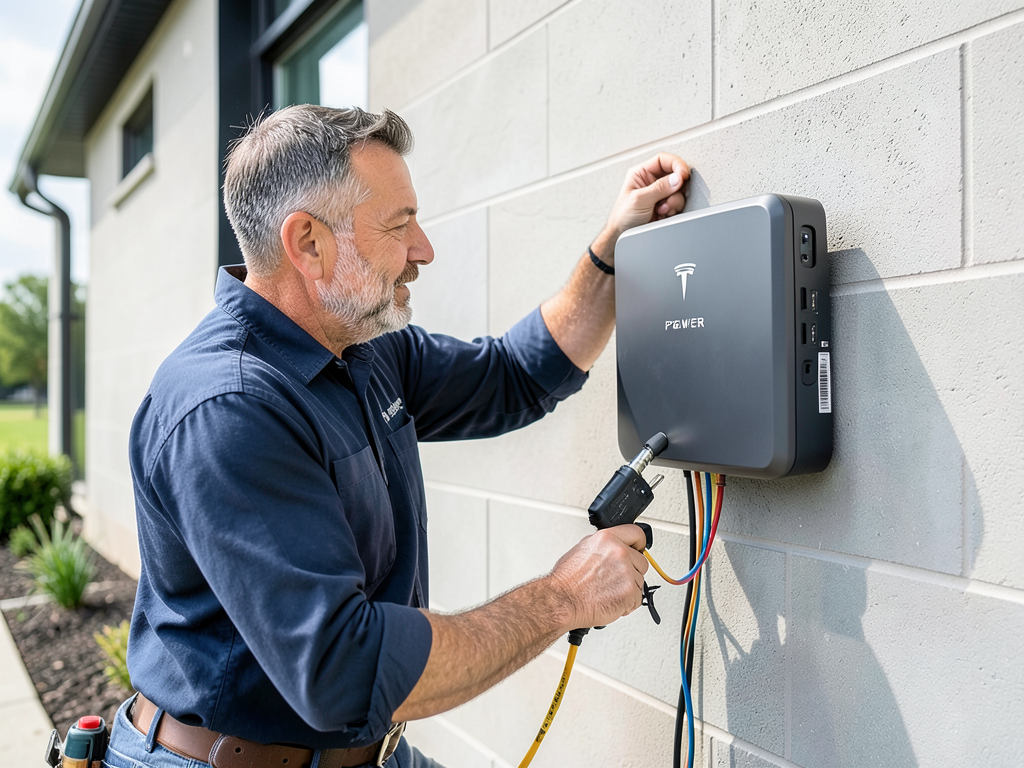
Electric reliability in North Texas has become a major concern for homeowners. Power outages from severe storms, extreme heat, and the occasional winter freeze leave many Mansfield residents searching for backup solutions. A Tesla Powerwall or similar solar battery system offers a modern way to keep your lights on when the grid goes down. Tesla Powerwall specifications.
Before investing in battery storage, you need to understand the real costs, installation requirements, and whether it fits your home’s needs. This guide breaks down everything Mansfield homeowners need to know about Tesla Powerwall and solar battery systems.. Read more about How Condo Owners in Turtle Creek Can Get EV Charging Stations Installed.
How Battery Backup Systems Work for Dallas-Area Homes
A home battery backup system stores electricity for use during power outages or high-demand periods. The most popular option in North Texas is the Tesla Powerwall, which automatically detects grid failures and switches to battery power within milliseconds.
Modern systems like the Powerwall 3 can power your entire home or just essential circuits like refrigerators, medical equipment, and HVAC systems. When paired with solar panels, the battery can recharge during the day even during extended outages.
The system includes a backup gateway that monitors your home’s power usage and manages the transition between grid power and battery power. This seamless switching means you won’t even notice when an outage occurs.
Real Costs for Mansfield Homeowners in 2026
The total investment for a battery backup system varies significantly based on your home’s size and power needs. A single Tesla Powerwall 3 with installation typically ranges from $12,000 to $15,000. This includes the battery, inverter, backup gateway, and basic installation.
However, most Mansfield homes need more than one battery to run essential systems during extended outages. A typical setup with two Powerwalls costs between $20,000 and $25,000 installed.
Installation costs in Mansfield and surrounding Dallas suburbs run higher than national averages due to local permitting requirements and the need for specialized electrical work. Master electricians charge $150 to $200 per hour for battery installations, with most projects requiring 20 to 30 hours of labor. Who to Call for Emergency Electrical Repair in Uptown Dallas Tonight.
Additional costs include electrical panel upgrades if your current panel cannot support the battery system, which adds $2,000 to $4,000. Permit fees from the City of Mansfield Building Department typically cost $300 to $500. Electrical Contractor.
Comparing Top Battery Brands Available in North Texas
Several battery manufacturers compete in the Dallas market, each with different strengths. Here’s how the leading options compare for Mansfield homes:
| Battery Model | Usable Capacity | Continuous Power | Price Range (Installed) |
|---|---|---|---|
| Tesla Powerwall 3 | 13.5 kWh | 11.5 kW | $12,000 – $15,000 |
| Enphase IQ Battery 5P | 5 kWh | 3.84 kW | $8,000 – $10,000 |
| Generac PWRcell | 9 kWh | 4.5 kW | $10,000 – $13,000 |
| FranklinWH aPower | 13.6 kWh | 10 kW | $11,000 – $14,000 |
The Tesla Powerwall 3 leads in power output and integration with solar systems. Enphase offers modular expansion but lower power capacity. Generac provides good value but requires more space. FranklinWH competes directly with Tesla on specifications and price.
Federal Tax Credits and Local Incentives
The federal government offers a 30% tax credit for battery storage systems installed in 2026. This credit applies to the total cost including installation, making a $20,000 system cost $14,000 after the credit. Federal Solar Tax Credit information.
Unlike some other states, Texas does not offer additional state tax credits for battery storage. However, Oncor Electric Delivery customers in the Dallas-Fort Worth area may qualify for special programs that pay homeowners for allowing utility access to their batteries during peak demand periods.
These virtual power plant programs typically pay $500 to $1,000 annually but require you to allow the utility to discharge your battery during grid emergencies.
Is Battery Backup Worth It for Mansfield Weather?
Mansfield experiences weather patterns that make battery backup particularly valuable. Summer heat waves often cause rolling blackouts when air conditioning demand peaks. Severe thunderstorms with lightning strikes can knock out power for hours or days.
The 2021 winter storm showed how vulnerable North Texas homes are to extended outages. Many Mansfield residents lost power for several days when freezing temperatures caused widespread grid failures.
A properly sized battery system can keep your home running through most local outages. One Powerwall typically runs essential circuits for 12 to 24 hours. Two batteries can power most homes for 24 to 48 hours, enough to survive common weather events.
However, batteries have limitations. They cannot run large central air conditioners continuously for more than a few hours. You’ll need to manage your power usage during outages to maximize battery life.
Installation Process and Timeline
Installing a battery backup system requires specialized electrical work and permits. Here’s what Mansfield homeowners can expect:
- Site Assessment
A licensed electrician evaluates your electrical panel, determines battery location, and calculates your power needs. This takes 1 to 2 hours.
- Permit Application
The electrician submits plans to the City of Mansfield Building Department. Permit approval takes 3 to 7 business days.
- Installation
The battery, inverter, and backup gateway are mounted and wired. This requires 2 to 3 days of work by a 2-person crew.
- Inspection
The City of Mansfield inspects the installation for code compliance. This typically occurs within 24 to 48 hours of completion.
- Activation
The system is configured and connected to your home’s electrical system. The entire process takes 1 to 2 weeks from start to finish.
Weather delays are common in North Texas, particularly during summer storm season. Most reputable installers schedule backup power projects during slower seasons to ensure timely completion.
Factors That Affect Your Battery Sizing
Determining the right battery size for your Mansfield home depends on several factors. Larger homes in newer Mansfield developments typically need more storage capacity than older homes in established neighborhoods.
Essential loads like refrigerators, well pumps, and medical equipment require dedicated circuits. The total wattage of these items determines your minimum battery capacity. A typical essential load panel might need 5 to 8 kW of continuous power.
HVAC systems are the biggest power consumers. A central air conditioner can draw 3 to 5 kW alone. Running your AC during an outage can drain a single battery in 2 to 4 hours.
Your outage duration expectations also matter. Planning for 24-hour outages requires less capacity than preparing for multi-day events. Most Mansfield homeowners find that two batteries provide adequate backup for typical local conditions.
Maintenance and Lifespan Considerations
Battery systems require minimal maintenance but have specific considerations for the Dallas climate. The extreme summer heat can reduce battery efficiency and lifespan. Most manufacturers warranty their batteries for 10 years or 37,800 cycles.
Lithium iron phosphate batteries, which are common in modern systems, handle heat better than older lithium-ion chemistries. However, they still perform best when kept below 90 degrees Fahrenheit.
Annual inspections by a licensed electrician cost $150 to $300 and include checking connections, testing the backup gateway, and verifying battery health. These inspections are especially important in areas with frequent lightning strikes.
Battery capacity degrades over time, typically losing 1% to 2% per year. After 10 years, you might have 80% to 90% of the original capacity remaining.
Comparing Battery Backup to Generators
Many Mansfield homeowners compare battery systems to traditional propane or natural gas generators. Each has distinct advantages for North Texas conditions.
| Feature | Battery System | Generator |
|---|---|---|
| Initial Cost | $12,000 – $25,000 | $5,000 – $15,000 |
| Noise Level | Silent operation | 65-80 dB |
| Fuel Requirement | No fuel needed | Propane/Natural gas |
| Maintenance | Minimal | Annual service required |
| Power Quality | Clean power for electronics | Can damage sensitive devices |
| Lifespan | 10-15 years | 10-20 years |
Batteries offer silent operation and no fuel storage requirements, making them ideal for suburban neighborhoods. Generators provide longer runtimes but require fuel storage and produce noise that may violate HOA rules.
For Mansfield homes, batteries work best when paired with solar panels or used as supplemental backup to a smaller generator. This combination provides the most reliable power during extended outages. Finding a Reliable Residential Electrician in Plano for Your Kitchen Remodel.
Choosing the Right Installer in Mansfield
Battery installation requires a licensed master electrician with specific training in energy storage systems. In Texas, electrical contractors must have a TECL (Texas Electrical Contractor License) number.
Look for installers who have experience with your specific battery brand. Tesla Powerwall installations require special certification. The installer should also be familiar with Mansfield’s building codes and permit requirements.
Ask potential installers about their warranty coverage beyond the manufacturer’s warranty. Some provide 5-year workmanship warranties that cover installation issues.
Local companies understand Mansfield’s specific challenges, including the clay soil that can affect grounding requirements and the local building department’s inspection processes.
Is a Battery System Right for Your Home?
Battery backup makes the most sense for Mansfield homeowners who experience frequent outages, have critical medical equipment, or want energy independence. If you rarely lose power and don’t mind using flashlights during outages, a battery might not be worth the investment.
Consider your priorities. If peace of mind during storms is worth $15,000 to $25,000, a battery system provides that security. If you’re more concerned about saving money on electricity, a battery might not pay for itself in most cases.
The decision ultimately depends on your specific situation. A professional assessment can help you understand your actual power needs and whether a battery system makes financial sense for your Mansfield home.
Ready to explore battery backup options for your Mansfield home? Contact our licensed electricians for a free assessment and learn which system fits your needs and budget. Electricians Balch Springs.
