
Switching from a Gas to Electric Dryer in Your Forney Home
Making the switch from a gas to an electric dryer requires more than just plugging in a new appliance. This comprehensive guide walks you through the electrical infrastructure changes needed to safely convert your laundry setup in Forney homes. Who to Call for Emergency Electrical Repair in Uptown Dallas Tonight.
Why Homeowners in Forney Are Making the Switch
Many Forney homeowners find themselves needing to convert their laundry hookups when moving into a new home or replacing an aging gas dryer. The decision often comes down to three factors: energy source availability, safety considerations, and the cost of running new gas lines versus electrical upgrades. Electrical Contractor.
Forney homes built before 2000 typically have gas dryer hookups, while newer construction often comes standard with electric. If you’re moving into a Forney home with a gas hookup but prefer electric, you’ll need to address both the electrical supply and the existing gas infrastructure.
The electrical requirements for electric dryers are substantial. Unlike gas dryers that use standard 120-volt outlets for controls and timers, electric dryers require a dedicated 240-volt circuit with specific amperage capacity. This means running new wiring from your electrical panel to the laundry area.
Technical Requirements for Electric Dryer Installation
Electric dryers demand a dedicated 30-amp, 240-volt circuit protected by a double-pole circuit breaker. The receptacle must be a NEMA 14-30R, which has four prongs: two hot wires, one neutral, and one ground. This configuration provides the power needed for the heating element while maintaining proper electrical safety.
The wiring itself requires 10/3 non-metallic sheathed cable (often called Romex). This cable contains three conductors plus a ground wire, all properly insulated for the 30-amp load. The cable runs from your main electrical panel to the dryer location, typically through walls or ceilings to maintain a clean appearance. Safe and Affordable Ceiling Fan Installation Services in Lake Highlands.
Older homes in Forney might have outdated wiring configurations. Some pre-1996 installations used NEMA 10-30R outlets, which lack the separate ground wire required by current electrical codes. These must be updated to the modern four-prong configuration for safety compliance.
Step-by-Step Conversion Process
- Electrical Assessment
A licensed electrician evaluates your electrical panel capacity to determine if it can handle the additional 30-amp circuit. Most modern panels have spare capacity, but older panels might require a main panel upgrade before adding new circuits.
- Circuit Installation
The electrician runs 10/3 cable from the panel to the laundry area, installs a 30-amp double-pole breaker, and mounts the NEMA 14-30R receptacle. All work complies with the National Electrical Code and Dallas building standards. National Association of Certified Home Inspectors.
- Gas Line Handling
A licensed plumber or gas technician caps the existing gas line at the dryer connection point. This includes proper shutoff valve installation and leak testing to ensure no gas can escape from the capped line.
- Permit and Inspection
The City of Dallas requires permits for new 240-volt circuits. After installation, a building inspector verifies the work meets all safety codes before the system can be used.
Dallas Building Codes and Permit Requirements
The City of Dallas enforces strict electrical codes for new appliance circuits. Any 240-volt circuit installation requires a permit from the Dallas Building Inspection Department. This ensures the work meets National Electrical Code standards and passes safety inspection.
Permit requirements include detailed electrical drawings showing the circuit path, panel location, and receptacle placement. The inspection process verifies proper wire sizing, breaker protection, and grounding. Skipping permits can result in failed home inspections and potential insurance issues.
Forney homes fall under Dallas County jurisdiction for building permits, even though Forney is in Kaufman County. This means you’ll work with Dallas County permitting offices for your conversion project. The process typically takes 3-5 business days for permit approval.
Cost Factors for Gas to Electric Conversion
Conversion costs vary based on several factors specific to your Forney home. Panel capacity is the primary determinant. If your electrical panel has available space and capacity, the conversion might cost between $400-$800 for parts and labor. However, if you need a panel upgrade to add the 30-amp circuit, costs can range from $1,200-$2,500.
Wire run distance significantly impacts pricing. A short run of 10-15 feet might cost less than $500 total, while a longer run through finished walls or across the house could exceed $1,000 in labor alone. The condition of your existing electrical system also affects costs. Older panels might need individual breaker replacements or updated grounding systems.
Gas line capping typically costs $150-$300 when performed by a licensed plumber. This includes proper shutoff valve installation and pressure testing. Some homeowners bundle this service with the electrical work to streamline the conversion process.
Comparing Gas vs. Electric Dryer Operating Costs in North Texas
Operating costs between gas and electric dryers vary based on local utility rates. Oncor Electric Delivery serves most Dallas-area homes, including Forney, with residential electricity rates averaging 12-15 cents per kilowatt-hour. A typical electric dryer uses 3-5 kilowatts per hour, costing approximately 36-75 cents per hour of operation. Oncor Electric Delivery.
Natural gas rates in the Dallas area average $1.00-$1.50 per therm. Gas dryers use about 20,000-25,000 BTUs per hour, costing roughly 20-37 cents per hour. However, electric dryers often dry clothes faster due to higher heating element temperatures, potentially reducing total cycle time.
Climate factors also influence operating costs. Forney’s hot summers mean clotheslines work well for much of the year, reducing dryer usage regardless of fuel type. Additionally, electric dryers produce less indoor heat, potentially lowering air conditioning costs during summer months.
Safety Considerations for Electric Dryer Installation
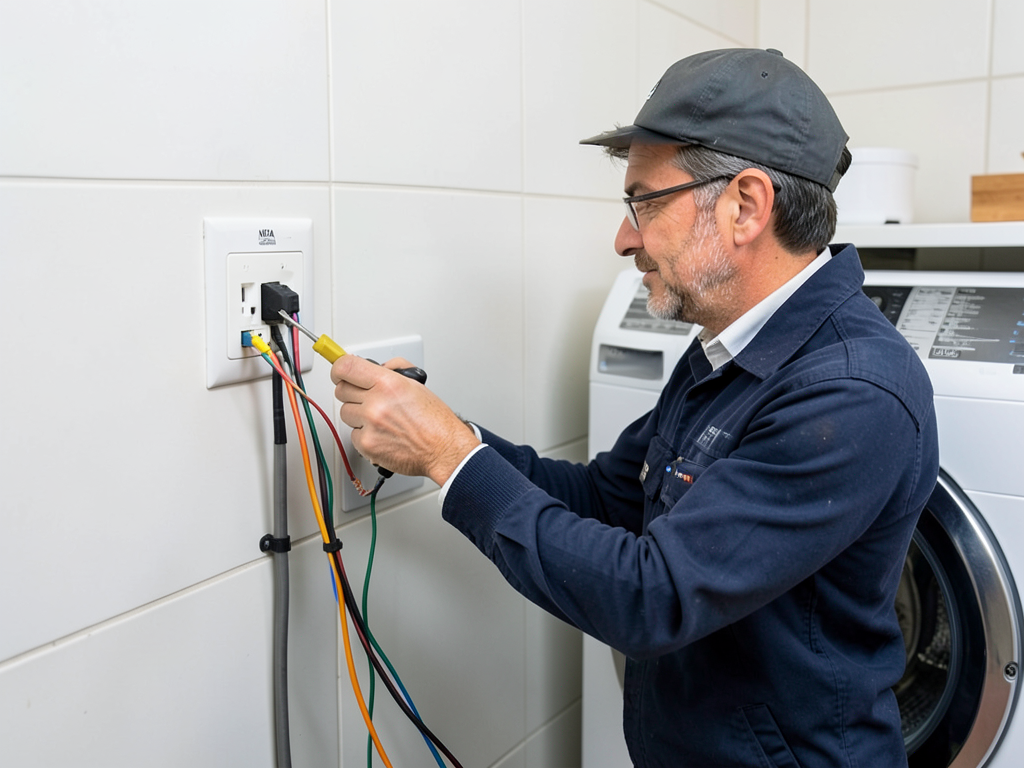
240-volt circuits carry significant electrical hazards. Proper grounding is essential to prevent shock risks. The NEMA 14-30R receptacle includes a dedicated ground connection that older three-prong outlets lack. This grounding protects users from electrical faults that could energize the dryer cabinet.
Overloading existing circuits is a common DIY mistake. Electric dryers require dedicated circuits because they draw nearly the maximum capacity of a 30-amp circuit during heating cycles. Sharing this circuit with other appliances can cause breakers to trip or, worse, create fire hazards from overheated wires.
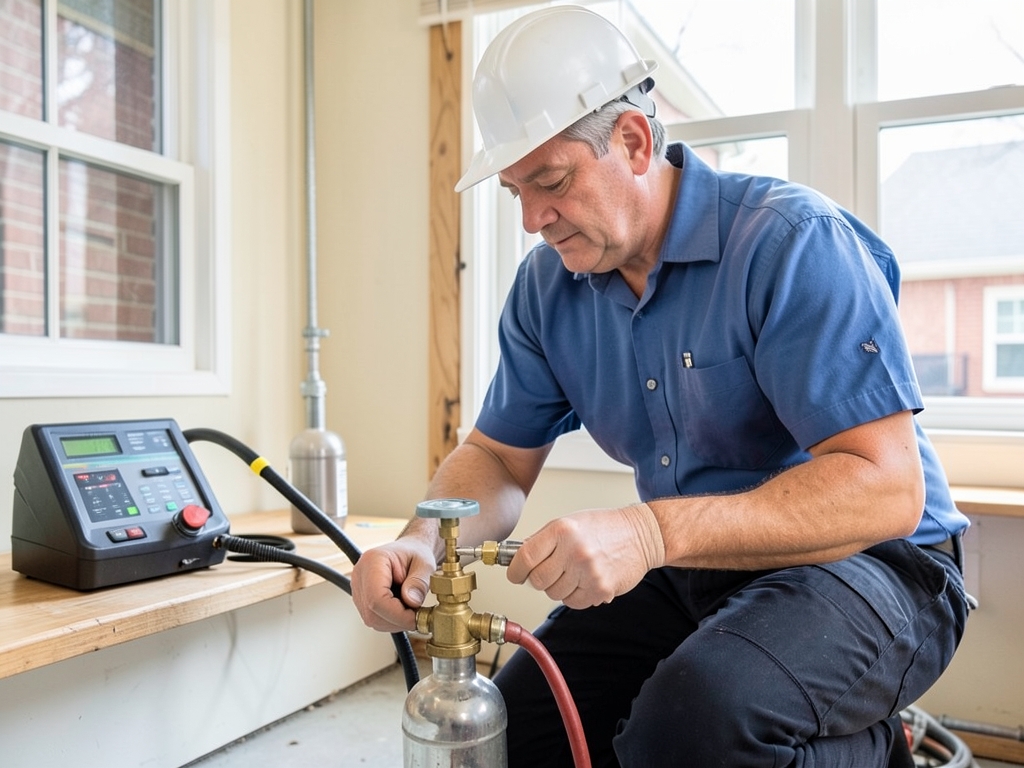
Gas line safety during conversion cannot be overlooked. Even small gas leaks from improperly capped lines pose explosion risks. Licensed professionals use pressure testing and leak detection equipment to verify gas lines are completely sealed before considering the job complete.
Common Questions About Dryer Conversions
Many homeowners wonder if they can modify their existing gas dryer to run on electricity. This approach is generally not recommended because gas and electric dryers have fundamentally different heating systems, control boards, and safety features. The cost of converting a gas dryer often exceeds buying a new electric model.
Panel capacity concerns are valid for older homes. A 30-amp dryer circuit represents about 25% of a 100-amp panel’s total capacity. Licensed electricians perform load calculations to ensure your panel can handle the additional circuit without creating overload conditions. Electricians Balch Springs.
Installation time varies based on complexity. Simple conversions with accessible wiring paths might complete in 4-6 hours. Complex installations requiring panel upgrades or extensive wire runs can take 1-2 days. Most homeowners can use their new electric dryer within 24-48 hours of starting the project.
Finding Qualified Professionals in Forney
Choosing the right contractor ensures your conversion meets all safety codes and functions properly. Look for electricians with Texas Electrical Contractor licenses (TECL numbers) and insurance coverage. Ask about their experience with 240-volt appliance circuits specifically.
Plumbers handling gas line work should have Texas State Board of Plumbing Examiners licenses. They must understand proper gas line capping procedures and pressure testing requirements. Some electrical contractors partner with licensed plumbers to offer complete conversion services.
Check references from other Forney homeowners who’ve completed similar conversions. Local experience matters because contractors familiar with Forney’s housing stock understand common wiring configurations and potential challenges in older homes.
Making the Right Choice for Your Home
Converting from gas to electric requires careful planning and professional execution. The process involves electrical work that most homeowners cannot safely complete themselves, plus gas line handling that demands specialized training and equipment.
Forney’s growing population means many homes need electrical upgrades to support modern appliances. Whether you’re renovating, moving in, or simply prefer electric dryers, understanding the requirements helps you budget appropriately and choose qualified professionals.
The investment in proper conversion pays off through safer operation, code compliance, and reliable performance. With professional installation, your new electric dryer will provide years of trouble-free service while meeting all Dallas-area safety standards. Finding a Reliable Residential Electrician in Plano for Your Kitchen Remodel.
Frequently Asked Questions
Can I install the 240-volt outlet myself to save money?
No. 240-volt circuits require permits and must be installed by licensed electricians in Dallas. DIY electrical work violates building codes and creates serious safety hazards including fire risks and potential electrocution.
How long does the entire conversion process take?
Most conversions complete in 1-2 days total. Electrical work typically requires 4-8 hours. Gas line capping adds 1-2 hours. Permit processing takes 3-5 business days. You can usually use your new dryer within 48-72 hours of starting the project.
Will I need to upgrade my main electrical panel?
Many modern panels have spare capacity for a 30-amp circuit. However, if your panel is older or nearly full, you might need a main panel upgrade. A licensed electrician can perform a load calculation to determine your specific needs.
What happens to the existing gas line?
A licensed plumber caps the gas line at the connection point with a proper shutoff valve. They then pressure test the line to ensure no leaks exist. The capped line remains in place but is completely sealed off from gas flow.
Are electric dryers less efficient than gas models?
Electric and gas dryers have similar overall efficiency. Electric models often heat faster, potentially reducing cycle times. Operating costs depend on local utility rates. In Dallas, gas typically costs less to operate, but the difference is often minimal for average household usage.
